
A Worn-Out Key That No Longer Works
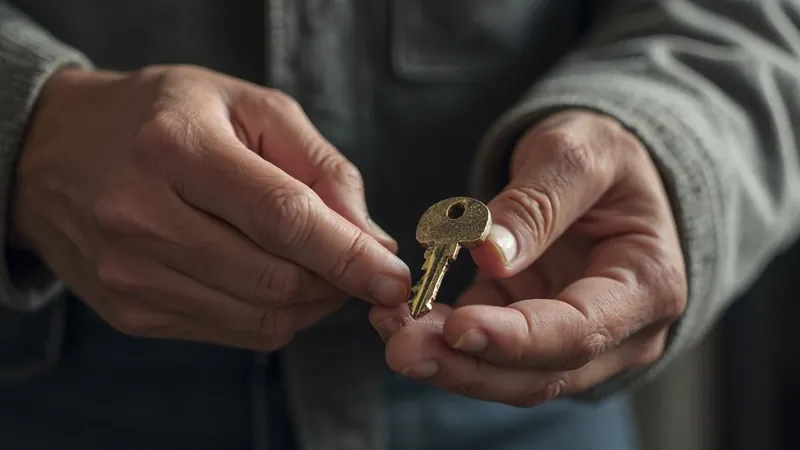
A key that's worn smooth, bent, or simply won't turn in the lock any longer is one of the most frustrating problems when you're renting or living in Germany. You might be locked out of your home, unable to access your office, or stuck fumbling with a key that jams halfway. If you're an expat or international resident, you may not know the quickest way to get a replacement—or who to call. The good news is that a certified local locksmith can replace your worn key quickly, often within hours.
This guide explains what causes key wear, when you need a replacement, how the process works in Germany, and what you should know about costs and responsibility if you're renting.
Why Keys Wear Out or Stop Working
Keys wear out for several reasons. Over time, the cuts and edges on your key become rounded and smooth, especially if you use it multiple times a day or if it's made from softer metal. The lock mechanism itself can also wear, so the key no longer engages properly. In Germany's older buildings—common in Berlin, Munich, and other cities—vintage locks are especially prone to this problem.
A bent or forced key is another culprit. If you've ever jammed a key into a lock with the wrong angle or applied too much pressure, the key can twist out of shape. Humidity and temperature changes in apartments can also cause slight warping over months or years. Cold winters and damp basements accelerate this process.
Sometimes the problem isn't the key itself, but the lock. Dirt, rust, or mechanical wear inside the cylinder can make even a good key feel stuck or reluctant to turn.
What You Should Do First
Before you call a locksmith, try a few simple steps. First, make sure you're using the correct key—it sounds obvious, but if you have multiple keys on your ring, you might be trying the wrong one. If the key turns but feels gritty or sticks partway, the lock may just need cleaning. A locksmith can lubricate it with specialist graphite powder or oil, which often solves the problem for a fraction of the cost of a new key.
If the key is visibly bent or the cuts are worn smooth, you'll need a replacement. Check your lease agreement or ask your landlord (Vermieter) whether they expect you to pay for a new key or whether it's covered under normal maintenance. In many cases, normal wear and tear on locks and keys is the landlord's responsibility, but this varies by contract.
- Test the key in good light to see if the cuts are visibly flattened
- Try the key gently—don't force it if it sticks
- Check that you're not mixing up keys on your keyring
- If you have a spare key at home, test that too
Getting a Worn Key Replaced in Germany
Once you've decided you need a new key, contact a certified local locksmith. In Germany, locksmiths (Schlosser) are regulated and often belong to the Handwerkskammer (Chamber of Crafts), which is a good sign of reliability. A locksmith can replace your worn key in two ways: by cutting a new key from the original blank if you have the correct blank in stock, or by making a copy from an existing key blank using the worn key as a pattern.
If your lock is a standard profile (like an Einsteckschloss, the simple mechanism in many apartment doors), the locksmith will have blanks in stock and can cut a new key within minutes. If you have a security lock or a less common profile, it might take longer or require ordering a blank.
The locksmith will check that the new key works smoothly before they leave. They'll explain their charges on a written order form on site—never agree to vague estimates over the phone.
- Have your original or a worn key ready to show the locksmith
- Keep your tenancy agreement handy if you want to check who pays
- Ask the locksmith to test the new key before they leave
- Request a written invoice for your records
- In an emergency (locked out), ask the locksmith about their response time
Tenancy and Cost Responsibility in Germany
Who pays for a new key when it wears out? That depends on your Mietvertrag (tenancy agreement) and German law. In many cases, normal wear and tear on locks and keys is considered the landlord's responsibility under the principle of normal maintenance. However, if you've damaged the key through misuse, or if you've lost it, you may be liable.
Some rental agreements include a clause stating that tenants must replace keys at their own cost, while others make it clear that the landlord covers it. German landlords often require you to replace lost keys at your expense, but a worn key is usually different—it's not lost, and it's not your fault it wore out.
Before you pay, check your contract. If it's unclear, ask your landlord politely in writing (email is fine). If your landlord is difficult to reach, you might also ask your building manager or Hausmeister if there's one on site. In shared housing for students or expats, your accommodation office can often clarify the policy.
Keep your invoice from the locksmith. If you're moving out, this paperwork protects you if your landlord tries to deduct key replacement costs from your deposit (Kaution).
When to Call for Emergency Help
If you're locked out because your key no longer works, you need fast, reliable help. A worn key that won't turn is just as much of an emergency as a lost key—you're still stuck outside your apartment or office. A certified local locksmith can open your door and provide a replacement key the same day in most cases.
Our English-speaking hotline connects you with a trusted locksmith in your area who understands the needs of international residents. They can explain what's wrong with your key, whether the lock itself needs service, and what the next steps are. They won't use high-pressure sales tactics; they'll give you a clear, honest assessment on site and explain costs before they start work. If you're dealing with a landlord issue or unclear tenancy terms, don't hesitate to ask the locksmith for advice—they've helped countless expats and know the German rental system.
Call now if you're locked out or if your key is completely unusable. The sooner you contact us, the sooner you'll be back inside and the sooner you can stop worrying.
Frequently asked
Is it cheaper to just buy a blank key from the hardware store and cut it myself?
Not usually. Cutting a key properly requires a machine and expertise—a hand-cut key often won't work smoothly. A locksmith's fee includes checking that the new key operates your lock without jamming. It's worth the cost to avoid damage to your lock.
How long does it take for a locksmith to cut a new key?
If the locksmith has the correct blank in stock, it takes just a few minutes. For less common locks or security profiles, they may need to order a blank, which can add a day or two. Always ask before they start.
Can I ask my landlord to cut me a new key instead of calling a locksmith?
You can ask, but most landlords aren't equipped to cut keys safely. A professional locksmith guarantees the key will work and won't damage your lock. Plus, a locksmith's invoice proves the work was done properly—useful if you move out and your landlord disputes charges.
What if my lock is also broken, not just the key?
A locksmith can diagnose this on the spot. If the lock cylinder is worn or corroded, they may recommend replacing the entire lock mechanism. This is often considered maintenance, so ask your landlord before agreeing. Get a written quote first.
Do I need to tell my landlord before I call a locksmith?
If you're locked out of your own apartment, you don't need permission to call a locksmith—this is an emergency. However, if the lock itself needs repair or replacement, it's polite to inform your landlord afterward and provide the invoice. This prevents misunderstandings later.
What should I do if I think my lock or key has been tampered with?
Call a locksmith immediately. They can assess whether the lock has been forced or picked and advise whether you need a new lock for security. If you're renting, inform your landlord and provide the locksmith's report. Don't assume anything—let a professional check it.