
The Door Slammed Shut Behind You (Schnappschloss)
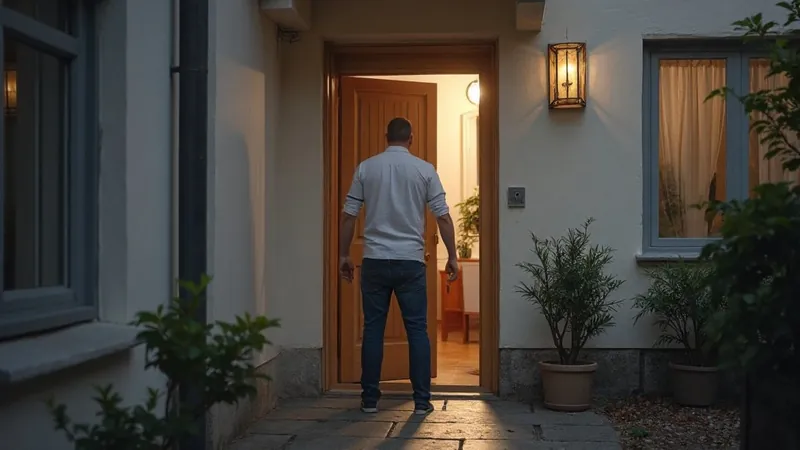
You've just stepped outside to check the post, pop to the bin, or grab something from your car—and the door swings shut behind you with a soft click. Your key is inside. Your phone is inside. You're standing in the hallway, stairwell, or street in your slippers. This is a Schnappschloss (spring latch) lockout, and it happens to everyone in Germany sooner or later. The good news: it's one of the fastest problems a certified local locksmith can solve.
Whether you're in a Berlin apartment, a Munich shared house, or a Stuttgart student dorm, you'll need to understand your options quickly and know who to call. This guide walks you through what happens next.
Why the Schnappschloss Caught You Out
A Schnappschloss is a spring latch—the bolt that slides in and out as the door swings. Unlike a deadbolt (Riegel), it closes automatically when the door shuts, even if you didn't turn a key. It's designed for convenience: you can step out without unlocking anything. But that same feature means a distracted moment leaves you locked out.
In Germany, landlords often fit Schnappschlösser on apartment doors and shared-house entrances precisely because tenants come and go at different times. The system works until it doesn't. Knowing this is a mechanical device—not a security problem—will help you stay calm and know what to expect when you call for help.
Immediate Steps to Take
Stay calm and think clearly for the next five minutes.
- Check if you left a window open or another door unlocked. A ground-floor window or a balcony door might get you back inside without calling anyone. Don't force anything; the cost and damage won't be worth it.
- Try the door handle gently from outside. Sometimes a Schnappschloss can be manipulated slightly, though this rarely works on modern locks and is not advisable if you're in a building where other tenants might see you.
- Find a neighbour you know. If you live in a shared building, a friendly resident might let you use their phone or, in rare cases, might have a spare key your landlord gave them (very unusual, but worth asking).
- Call your landlord or Hausmeister (building superintendent). In many cases, they have a master key and can let you in quickly. Check your tenancy agreement (Mietvertrag) to see if they're listed. Many Hausmeister live on-site and respond within minutes.
- If you cannot reach your landlord, contact a certified locksmith via our English-speaking hotline. Have your building address and a photo of the door lock ready.
What a Locksmith Will Do
When you call our referral hotline, we connect you with a certified local locksmith who speaks English and understands the German rental-tenancy system. Here's what typically happens:
- They'll arrive within 30 to 60 minutes in most urban areas. They carry the tools to open a Schnappschloss without damage—a non-destructive method is always the first choice.
- They'll inspect your lock type and check the door frame for any signs of forcing or damage from previous attempts. This is important if you eventually need to claim on insurance.
- They'll open the door using specialized picks or a tension tool designed for spring latches. The lock itself won't be damaged.
- They'll explain what happened and what you can do to prevent it. Many locksmiths will suggest a simple internal chain bolt or advise you to ask your landlord about a secondary lock.
- You'll receive a written order form (Auftragsbestätigung) on site, which itemizes the work and cost. This is your proof of service and is important for insurance claims or landlord disputes.
Insurance and Landlord Responsibilities
In many cases, your household insurance (Hausratversicherung) or liability cover (Haftpflichtversicherung) will cover a locksmith callout—but read your policy, because not all policies include lockout costs. Some policies only cover break-ins or theft-related locks, not accidental lockouts. Check your paperwork or ring your insurer (often an English-language line is available for international clients).
Your landlord is not usually liable for a lockout you've caused, but in some situations—for example, if the Schnappschloss is faulty or the door was left propped open by someone else—the responsibility may be shared. Check your Mietvertrag to understand who pays for lock repairs and replacements. If you think your landlord should cover it, ask them to contact the locksmith directly; many will do so to keep the relationship smooth. Always keep the written order form as evidence of the cost and date.
How to Avoid This Again
Once you're back inside, you can take simple steps to prevent a repeat lockout:
- Keep a spare key in a secure location outside your flat: a small lockbox on your balcony, a trusted neighbour's flat, or a family member's house in Germany. Never hide it under the doormat or in a flower pot.
- Ask your landlord about fitting a secondary lock or chain bolt on the inside. This gives you the option to open the door slightly from outside (not ideal, but it buys you time). Many landlords are happy to authorize this minor upgrade.
- Use a door wedge or stop when you step outside briefly. A rubber wedge behind the door prevents the latch from fully engaging. Keep one near your entrance.
- Develop a habit: check your pockets and bag before the door closes behind you. Keys, phone, and ID. Make it automatic.
- If you rent, ask your landlord or Hausmeister for an emergency contact number and spare-key procedure. Many properties have a formal process you may not know about.
A Schnappschloss lockout is frustrating, but it's solvable in under an hour. If you find yourself locked out right now with no immediate options, our English-speaking hotline will connect you with a certified local locksmith who can help you regain access quickly and professionally. We're here to take the stress out of an already annoying situation.
Frequently asked
Will the locksmith damage my door?
No. A certified locksmith uses non-destructive methods to open a Schnappschloss. The lock and door frame remain intact. You'll receive a written record of the work on the order form.
How much does it cost?
The locksmith will explain the full cost on a written order form on site. Prices vary based on the lock type, time of day, and distance, but the locksmith will be clear about the charge before you agree to the work.
Do I need permission from my landlord to let the locksmith in?
In most cases, no—you have the right to regain access to your own flat in an emergency. However, it's good practice to inform your landlord afterward, especially if they have a master key and could have let you in faster.
Can my landlord charge me for the locksmith?
In many cases, if you caused the lockout, you'll pay the cost yourself. However, if the lock is faulty or someone else blocked you out, your landlord may be responsible. Check your Mietvertrag and ask your landlord directly if unsure.
What should I do if I'm locked out at 2 a.m.?
Call our English-speaking hotline. Emergency locksmith services operate 24/7 in Germany. You'll pay a premium for night calls, but the service is available. The locksmith will still provide a written cost breakdown on site.
Is a Schnappschloss the same as a deadbolt?
No. A Schnappschloss (spring latch) closes automatically; a deadbolt (Riegel) requires you to turn a key or knob. Most German rental doors have both—the Schnappschloss for daily convenience and a deadbolt for security at night.