
Locked Out at Night in Germany: Who to Call
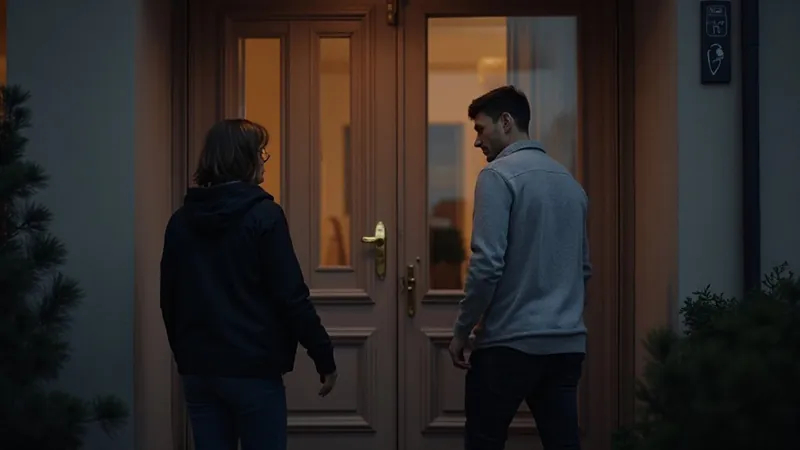
Being locked out of your home, flat, or car at night in Germany is stressful, but you're not alone—and help is available 24 hours a day. Whether you've lost your keys, your lock is jammed, or you're stranded outside in the cold, knowing who to call and what to expect makes the difference between panic and a quick fix.
Germany has a well-established emergency locksmith system, and most certified locksmiths operate round-the-clock. This guide walks you through your options, what to expect during a late-night lockout, and how to get back inside safely and legally.
When You're Locked Out at Night: Your First Steps
The moment you realize you're locked out, take a breath. Your immediate goal is to stay safe and warm while you arrange help. If you're outside in cold weather, find shelter—a nearby café, friend's place, or a 24-hour shop. Do not attempt to force your way in; you risk injury and may damage the lock or door, which could create liability issues with your landlord (Vermieter).
Check whether you have a spare key with a friend, family member, or colleague nearby. If your landlord or building manager (Hausmeister) lives on-site or has an emergency number listed, contact them first—they may have access to your flat and can let you in far faster than a locksmith. Look for their number on your tenancy agreement (Mietvertrag) or the building notice board.
If neither option is available, contact a certified emergency locksmith. In Germany, locksmiths are regulated and must display their credentials (certification and liability insurance). Calling an English-speaking referral service ensures you can explain your situation clearly, even if you don't speak German.
What to Expect When the Locksmith Arrives
A certified locksmith arriving at your flat at 2 a.m. will follow standard procedure. They will ask for ID to confirm you live there, then assess the lock. Most modern flat locks can be opened without damage using specialist tools. The entire process often takes 15–45 minutes, depending on the lock type and whether the mechanism is jammed or simply locked.
- They may ask for proof of residency—your tenancy agreement, utility bill, or lease. This protects both you and them legally.
- They work non-destructively when possible—meaning your lock remains functional. If the lock is damaged or broken, they'll explain options before proceeding.
- The cost is explained on-site—the locksmith provides a written quote (Kostenvoranschlag) before starting work. Emergency call-outs at night typically incur a surcharge, but you'll see this in writing.
- They issue a receipt—always ask for one. You may claim this on your rental insurance (Hausratversicherung) if it covers lockout situations.
For rental flats, inform your landlord the next day that a locksmith was called. Many tenancy agreements require this notification, and your landlord may want to know the lock has been tampered with or repaired.
Locked Out of Your Car at Night
A nighttime car lockout is different from a flat lockout. Never attempt to break into your own car—it damages the vehicle and can trigger alarms. Instead, call a certified locksmith who specializes in automotive work or contact your car insurance company; many policies include roadside assistance (Pannenhilfe) that covers lockouts.
Check your insurance documents or policy card for an emergency number. In many cases, your insurer will dispatch a locksmith to you at no extra charge or a small excess. This is often faster and cheaper than calling a locksmith independently. If you don't have roadside assistance, contact an emergency locksmith directly—they can open most car doors within 30–45 minutes.
If you've locked your keys in the car with the engine running or a child inside, call the police (110) immediately. This is a safety emergency, and officers can assist.
Preventing Future Lockouts
Small habits reduce the risk of lockouts dramatically. Keep a spare key with a trusted friend or family member—not hidden outside (thieves know common spots like under flowerpots). Some people leave a spare with their landlord or building manager, though check your tenancy agreement first.
- Use a key safe (a small lockable box bolted to your window frame or door frame) if you live alone and have no one nearby to hold a spare.
- Set a phone reminder when you leave home, especially at night.
- Carry your keys in a dedicated pocket or bag section so you notice immediately if they're missing.
- Know your landlord's emergency contact and have it saved in your phone.
- For rental flats, ask the Hausmeister for their after-hours number during your first week in the building.
If you're renting and find yourself locked out frequently, ask your landlord whether installing a keypad lock (Codelot) or electronic lock is possible. Some landlords agree to this if you cover the cost.
Getting Emergency Help: Call an English-Speaking Locksmith Service
When you're locked out at night and panicking, the last thing you need is a language barrier. An English-speaking locksmith referral service connects you to certified local professionals who understand your situation and can confirm your identity and residency clearly. They handle the coordination, explain costs transparently, and ensure the locksmith is qualified and insured.
Our hotline is available 24 hours—call when you're locked out, and we'll connect you with a nearby locksmith who can reach you within the hour in most urban areas. Have your ID, tenancy agreement (if in a rental flat), and building address ready. The locksmith will confirm a written quote before opening your lock, and you'll receive a full receipt for your records or insurance claim.
Don't wait or attempt DIY solutions at night. A certified locksmith costs less than damage to your door or frame, keeps you safe, and is often covered by insurance. When you're locked out, call our English-speaking hotline now for immediate assistance.
Frequently asked
Can my landlord be forced to let me in if I'm locked out at night?
In many cases, yes—but it depends on your tenancy agreement (Mietvertrag) and whether your landlord or Hausmeister is available. Some contracts state the landlord must provide emergency access. If they're unavailable, a locksmith is your legal option. Always notify your landlord the next day.
Will my rental insurance pay for a locksmith call-out?
Often, yes—if your policy includes Hausratversicherung (contents insurance) with lockout cover. Check your policy documents or call your insurer with the receipt. Not all policies cover this, so review your terms now rather than at night.
How long does it take a locksmith to arrive at night in Germany?
In cities, 30–60 minutes is typical for emergency call-outs. Response times are longer in rural areas. Always ask the hotline for an estimated arrival time when you call; they know local locksmith availability.
What if the lock is damaged and cannot be opened without breaking it?
The locksmith will explain this on-site and provide a written quote (Kostenvoranschlag) before proceeding. If the lock is beyond repair, they may drill or replace it. You'll see the cost in writing first, and your landlord must be informed the next day.
Is it safe to call a locksmith to my flat late at night as a woman living alone?
Yes—certified locksmiths in Germany are professional, insured, and bound by regulations. Always ask for ID and verification before letting them in. If you feel unsafe, ask a friend to be present or call while they're on the phone. The locksmith expects these precautions.
What should I do if I'm locked out and my landlord is on holiday?
Call a certified emergency locksmith—you are entitled to access your own home. Notify your landlord in writing the next day with the locksmith's receipt and explanation. In many tenancy agreements, landlords are responsible for ensuring you can access your flat, even if they're away.