
Locked Out With a Child or Pet Inside
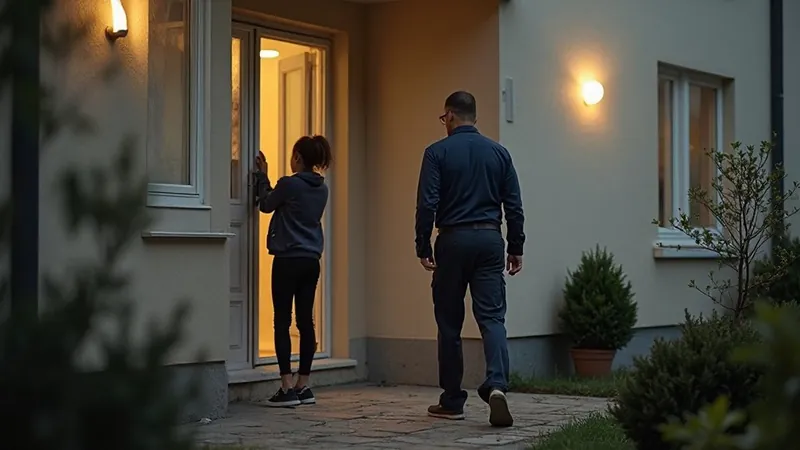
Being locked out is stressful enough, but when a child or pet is inside, the urgency becomes real and your decisions matter. In Germany, there are specific steps to follow, people to contact in the right order, and ways a certified locksmith can help—fast. This guide walks you through what to do first, who to call, and how to stay calm while getting back inside safely.
Understanding the German system and having a plan means you'll know exactly what to do if this happens. Whether you're renting (which is common for expats) or own your home, the process is clear and there are professionals trained to handle these situations.
Immediate first steps: Keep calm and assess safety
Your first instinct is to panic—resist it. A few minutes of clear thinking will help you act more effectively. Take a breath, and then do this:
- Look through windows and doors. Can you see the child or pet? Are they in immediate danger (near a hot stove, climbing, overheating)? This tells you how urgently you need to act.
- Try every entry point. Check all doors and windows—some may be unlocked or only partially closed. Don't break anything yet.
- Call out calmly. If there's a child old enough, tell them to stay put and keep calm. Panic spreads quickly.
- Check the temperature. Is it very hot or cold outside? This affects how quickly you need to act, especially for pets.
Once you've assessed the situation, you'll know whether this is a true emergency (requiring police/fire service involvement) or an urgent lockout where a locksmith's speed is what matters most.
When to call emergency services versus a locksmith
In Germany, understanding who to call first can save precious time. Here's the rule: if there is immediate danger to life, call 112 (Polizei/Feuerwehr—emergency police or fire service). If the child or pet is safe but trapped, a certified locksmith is often the fastest solution.
- Call 112 if: the child is showing signs of distress, injury, or overheating; the pet is unresponsive or in visible distress; there's a fire, gas smell, or other hazard; you cannot reach the locksmith quickly enough.
- Call a locksmith if: the child or pet appears calm and safe; temperatures are moderate; you need to get in within 15–30 minutes (which a locksmith can do from the moment you call).
- Consider calling your Vermieter (landlord) or Hausmeister (building manager) if you rent. They often have spare keys or can contact the locksmith faster. Many rental contracts require you to notify them of a lockout anyway.
In practice, many parents and pet owners call both: the emergency number as a safety net, and a locksmith immediately. This double approach means help is coming from two directions.
How a locksmith gets you back in quickly and safely
A certified local locksmith in Germany is trained specifically for lockouts involving children and pets. They understand the urgency and have the tools to open doors without forcing them (or with minimal, safe force). Here's what happens:
- You call the English-speaking hotline. You describe the situation—child or pet locked inside—and your address. They ask key questions: which floor, type of door, any visible damage already, approximate age of the child or condition of the pet.
- The locksmith arrives quickly (usually within 20–40 minutes, depending on where you are in Germany). They assess the door and lock, then use specialist techniques to open it with minimal disruption.
- They explain what they're doing. A good locksmith will tell you the method, so you're not surprised by noise or methods. Some doors open with a card, others need drilling or careful lock manipulation.
- Once inside, they inspect the lock. They'll advise whether it needs repair or if you can use it normally. They provide a written order form on site explaining what was done.
Locksmiths are insured and certified (look for membership in the German trade body), so you're protected. Your landlord's insurance (Haftpflicht) may cover the cost if you're renting, so keep the invoice.
Preventing future lockouts with children and pets
Once you're back inside and everyone is safe, take steps to prevent this happening again. Even small changes make a big difference:
- Hide a spare key in a secure lockbox outside, or leave one with a trusted neighbour. Never under the doormat or in an obvious place.
- Teach older children the basic rules: where the spare key is kept, never to lock doors behind you, and to shout for help if you're locked in.
- Install a keypad or smart lock if you own your home. Many expats in Germany use these to avoid key confusion entirely. (Renters: check with your Vermieter first.)
- Leave a window or door slightly ajar when stepping out briefly, if safe and legal in your building.
- Create a lockout contact list: save the English-speaking locksmith hotline, your landlord's number, and a friend's number in your phone. In a panic, you won't have to search.
Small habits—like checking the door is closing properly, not locking it while going to the car for bags, or making sure the child knows not to lock the door—prevent 90% of these situations.
Stay prepared: Have a plan before it happens
The best protection is knowing what to do before you need it. Talk to your child (if old enough), decide where a spare key will be, and save the locksmith's contact information right now. Keep a written note of the details near your door or in your phone: your address in German, the building name if in an apartment complex, the floor, and whether you rent or own.
Locked out with a child or pet inside is frightening, but it's a solvable problem. A certified local locksmith can have you back inside in under an hour, and emergency services are there if needed. The key is staying calm, calling the right person first, and not wasting time trying to force the door yourself. If you're in this situation right now or expect to be, our English-speaking hotline connects you with a locksmith who understands the urgency and knows how to handle it safely. Don't hesitate—call immediately, and help will be on the way.
Frequently asked
How long does it take a locksmith to arrive if my child is locked inside?
A certified local locksmith typically arrives within 20–40 minutes of your call, depending on your location in Germany and current demand. Always give them the full picture when you call—mention the child or pet inside so they prioritise your job. In very hot weather or if the child is in distress, call 112 as well.
Will the locksmith damage my door or lock?
A trained locksmith uses non-destructive methods first—picking, card techniques, or careful manipulation—so damage is minimal. If the lock or door must be drilled, they'll explain this before doing it and provide a written order form afterwards. Your landlord's Haftpflicht insurance may cover the cost.
Do I need to contact my landlord or Hausmeister first?
If you rent, it's often wise to call them immediately—many have spare keys and can act faster than a locksmith. Check your Mietvertrag (rental contract) for lockout procedures. Even if they can't help, they need to know what happened. Notify them before the locksmith arrives if possible.
Can I claim the locksmith cost on my home insurance?
If you rent, check your Hausrat (contents insurance) or ask if the landlord's Haftpflicht covers it. If you own, your Haftpflicht or building insurance may cover locksmith costs in emergencies. Always keep the invoice and describe the situation when you claim.
What if the locksmith can't open the door quickly—should I break a window?
Not unless the child or pet is in visible distress or danger. A locksmith's methods work within minutes in most cases. Only break a window if there's immediate risk to life, and call 112 first if that's the case.
How do I prevent this from happening again?
Leave a spare key with a trusted neighbour, hide one in a secure lockbox outside, or install a keypad lock if you own your home. Teach children not to lock doors, and train pets to stay away from entry points. Create a contact list with the locksmith's number and save it in your phone now.