
Locked Out of Your Apartment in Germany: First Steps
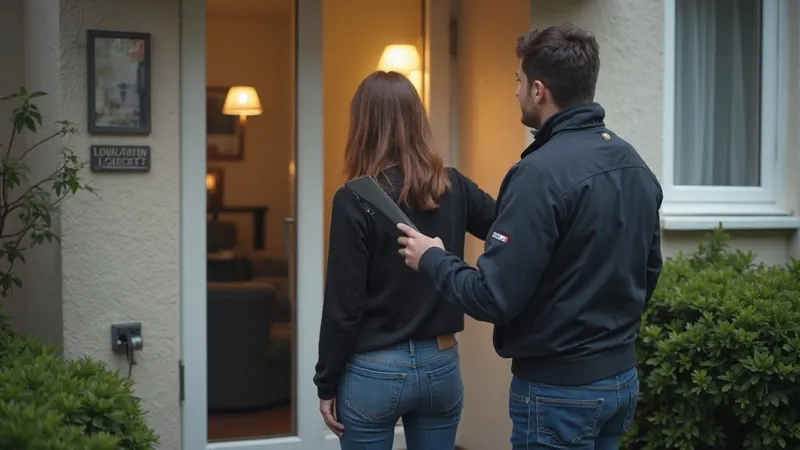
Being locked out of your apartment in Germany is stressful, especially if you're new to the country and don't speak German fluently. The good news: there are clear, practical steps you can take right now to get back inside safely and legally. Whether you've lost your keys, forgotten them at work, or your lock has jammed, you have options—and you don't have to panic.
This guide walks you through exactly what to do in the first minutes and hours after a lockout, what to expect from a certified local locksmith, and how to avoid repeating this situation.
Immediate Steps: Check Before You Call Anyone
Take a breath and spend two minutes checking the obvious options. You may not need to call a locksmith at all.
- Check every door and window – Is a back door, balcony door, or basement window unlocked? Many people find a way in without professional help.
- Ask your Hausmeister (building caretaker) – If you live in an apartment building, the caretaker often holds a spare key or can open the main door. Knock on their flat or check the building notice board for contact details. This is usually the fastest and cheapest option.
- Call a trusted friend or family member – Do they have a spare key to your place? If they live nearby, they may be able to help immediately.
- Contact your landlord or Vermieter – They may have a spare key or know how to reach the caretaker after hours. Check your Mietvertrag (rental contract) for their emergency number.
- Wait for someone else to come home – If you live with flatmates or family, can you wait safely in a public place (café, library, train station) until they arrive?
When You Need a Certified Locksmith: What Happens Next
If none of those options work, you need a certified local locksmith. In Germany, locksmiths are regulated professionals (Schlüsseldienst) and it's important you hire one properly to avoid scams and unnecessary damage to your lock or door frame.
- Call an English-speaking hotline – Our referral service connects you with a certified local locksmith who can speak English and understand your situation without language barriers. They handle the call, explain the process, and dispatch someone quickly.
- Be ready to prove you live there – The locksmith will ask for ID and proof of address (rental contract, bills, or ID card) before opening the door. This is standard practice and protects both you and the property.
- Expect a visit within 30 minutes to 2 hours – Response times vary by location and how busy the locksmith is. In city centres, it's often faster; in suburbs, longer. Always ask the estimated arrival time when you call.
- The locksmith will assess your lock – They'll determine whether they can unlock the door without damage, or whether the lock needs to be removed and replaced. The method used affects the final cost.
- You'll receive a written order form on site – The locksmith explains the work, shows what they're charging for (call-out, labour, materials, any emergency surcharge), and you sign before they proceed. Never pay in advance; always pay after the work is complete.
Insurance and Costs: What You Should Know
Lockout calls aren't always cheap, but understanding the system helps you make smart decisions and possibly claim back some costs.
- Hausrat insurance (contents insurance) sometimes covers locksmith calls – Many international residents have this policy. Check your Hausrat-Versicherung paperwork or email your insurer to ask if locksmith costs are covered. In many cases they are, especially if the lock is damaged.
- Landlord responsibility varies – If the lock is faulty or the caretaker is unavailable, sometimes your landlord pays. If you lost your keys or locked yourself out through your own mistake, you usually pay. It's worth asking your landlord later.
- Emergency surcharges apply outside business hours – Calling a locksmith at 2 a.m. or on a Sunday costs more than a weekday afternoon call. The locksmith will tell you the surcharge before they start work.
- Damage to the door costs extra – If the locksmith has to force the lock or damage the frame to get you in, that's an additional charge. Always ask if the lock can be opened without damage first.
Prevent Future Lockouts: Simple Safety Steps
One lockout is enough. A few practical habits will save you stress, money, and time.
- Give a spare key to someone you trust – A neighbour, close friend, or family member nearby. Store it in a safe place, not under a flowerpot.
- Use a spare key box (with caution) – Some people use combination lockboxes mounted inside their flat, or leave a spare with the Hausmeister. Ask your landlord first; some contracts forbid it.
- Always check you have your keys before you close the door – Make it a habit: keys out, then leave. It sounds simple, but it works.
- Keep your landlord's and caretaker's contact details in your phone – Add them to your contacts now so you're not searching for a number in a panic.
- Know where your building's main shut-off valve is – If there's a water emergency and you can't get in quickly, you'll want to know how to shut off water to the building. Ask your Hausmeister.
You're Ready: Get Back Inside Safely and Fast
A lockout is frustrating, but it's solvable. By trying the simple steps first and then calling a certified professional, you'll be back inside your apartment without unnecessary expense or damage. If you're locked out right now and need immediate help, don't waste time trying to force your way in or calling unvetted services. Our English-speaking hotline connects you directly with a trusted, certified local locksmith in your area. They'll guide you through the process in English, arrive quickly, and get you back in safely. Call now—that's what we're here for.
Frequently asked
What should I do if I'm locked out after 10 p.m. or on a Sunday?
Contact an emergency locksmith service immediately. Yes, there's an emergency surcharge, but it's worth paying to avoid a night on the street. Our hotline operates 24/7, so we can connect you with a locksmith available right now, even on holidays. Always try to reach your Hausmeister or landlord first—they may be able to help without a locksmith.
Do I need to pay the locksmith in cash?
Not necessarily. Many certified locksmiths accept card or bank transfer, though some prefer cash. Ask when you call and confirm what payment methods are accepted. Never pay upfront; always pay after the work is complete and you've checked the door opens properly.
What if my landlord refuses to pay for the lockout?
If the lock failed due to a fault (not your mistake), or if the caretaker was unreachable, document everything and send your landlord a written request (email is fine). If they refuse, check your rental contract and consider contacting a tenant advice service (Mieterbund). Many insurance policies cover locksmith calls anyway, so check your Hausrat-Versicherung first.
Can the locksmith open my door without damaging it?
Often yes, if the lock is in good condition. Modern locks can sometimes be opened without force. Ask the locksmith to try non-destructive methods first. If the lock must be removed or the door frame damaged, that's an extra cost—they'll explain it on the written order form before proceeding.
Is it safe to leave a spare key outside my apartment?
No. Never hide a spare under a mat, flowerpot, or loose brick. Instead, give one to someone you trust (friend, neighbour, family), or ask your Hausmeister if you can leave one with them. Some landlords allow this; check your contract or ask.
What if I'm locked out of my flat and can't reach anyone?
Call our English-speaking hotline right away. We dispatch a certified locksmith to you quickly, even outside business hours. Have your ID and proof of address (rental contract or ID card) ready so the locksmith can verify you live there before opening the door.