
Window Locks and Security in German Flats
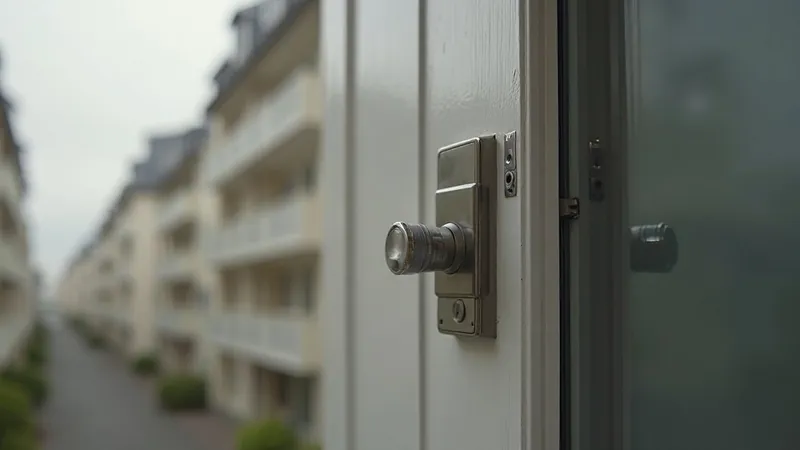
Windows in German flats come with their own locking systems, and understanding how they work is crucial for your security and peace of mind. Whether you rent or own, a faulty or outdated window lock can turn your home into an easy target for break-ins—a real concern in urban areas across Germany.
This guide walks you through what you need to know about window locks, how to spot problems, and when to call in a certified locksmith. We'll explain the German standard systems you'll encounter, your rights as a tenant, and practical steps you can take today.
How German Window Locks Actually Work
Most flats in Germany have one of two main window lock types: the Drehkipp mechanism (tilt-and-turn window, very common) or the older espagnolette lock (vertical rod system). The Drehkipp is the modern standard—it allows the window to either swing fully open or tilt inward at the top for ventilation, all controlled by a single handle.
The security pin is usually located on one side of the frame. When you turn the handle to the locked position, pins engage into the frame. Sounds simple, but wear and tear—especially in rented flats where maintenance is sometimes neglected—can cause the mechanism to stick, jam, or fail to lock properly.
- Drehkipp locks are DIN standard and built into most new and renovated German windows
- The handle position tells you the window state: down = locked, horizontal = closed but unlocked, up = tilted open
- Older espagnolette systems use a key and vertical rods; less common now but still found in older buildings
- Weathering, dirt, and ice can prevent pins from engaging fully
If your window lock feels loose, doesn't click into place, or the handle moves without resistance, it's time to have it checked.
Spotting a Weak or Broken Window Lock
You don't need to be a locksmith to notice when something's wrong. A few simple checks can save you trouble—and break-ins do happen more than you might think.
- The handle feels sloppy: It moves side to side or requires extra force to lock
- The window rattles when locked: A sign the pins aren't catching the frame properly
- The mechanism jams in cold weather: Common in German winters; condensation can freeze inside
- The lock makes grinding noises: Usually means internal wear or misalignment
- The window won't stay in tilt position: The safety catch is broken or worn
- Visible rust or corrosion: Especially on older metal frames or after poor maintenance
Once you've spotted a problem, don't ignore it. A broken window lock is an invitation to thieves. In many cases, your landlord (Vermieter) is legally responsible for repairs if you rent—check your Mietvertrag (tenancy agreement) and report it in writing, preferably by email for a record. If you own the flat, it's your responsibility to fix it promptly.
Tenant or Owner? Know Your Rights and Responsibilities
In Germany, the rules differ depending on whether you rent or own. If you're a tenant, maintenance and repair of the flat's structure—including windows and their locks—are often the landlord's legal duty. However, terms vary, so check your contract first.
If you rent: Report a broken window lock to your Vermieter in writing. German law (often citing the Mietvertrag or general Mietrecht) typically requires landlords to maintain the flat in a safe, functional state. A broken lock is a safety issue, not a cosmetic one, so it should be treated as urgent. Keep copies of your reports. In an emergency—or if your landlord ignores repeated requests—you may be able to use a repair-and-deduct procedure (Mangelbeseitigung), but consult local tenant advice first. Your landlord might also contact their Hausmeister (building superintendent) to arrange the repair.
If you own: The cost and responsibility are yours. Factor window lock maintenance into your home upkeep. It's far cheaper to service a lock now than to deal with a break-in later.
Insurance matters: Check your Hausratversicherung (household contents insurance) or Haftpflichtversicherung (liability insurance). They often require proof that locks are in good working order, and some may not pay out if a break-in happened through a visibly faulty lock.
Why Professional Help Matters for Window Locks
You might think a window lock is straightforward to fix yourself, but German windows and their locking systems are precision-engineered. Misalignment by just a millimetre can prevent the pins from engaging, and forcing a jammed mechanism can cause more damage.
A certified local locksmith has the right tools and experience to diagnose the exact problem—whether it's a worn pin, misaligned frame, or a handle that needs adjustment. They can service the lock, replace worn components, or fit a new lock if necessary. Many also understand the rental situation and can provide the written documentation a landlord might need to process the repair claim.
- Professional assessment avoids costly DIY mistakes
- A locksmith can spot security weaknesses you might miss (like an old lock vulnerable to picking)
- They offer written estimates and can work with your landlord directly
- Repairs come with assurance that the lock is properly secured
- Quick turnaround—often same-day service in urban areas
If you're unsure whether a lock needs professional attention or you've already tried basic troubleshooting, don't delay. A broken window is a security liability, especially in German cities where break-ins are a real risk. Our English-speaking hotline connects you with a certified local locksmith who can visit, assess the problem, and explain your options—all in English. Call today if you need urgent help.
Simple Steps to Improve Window Security Right Now
While you wait for a professional repair, or to boost security in general, a few practical steps can make your windows harder to breach.
- Check every window regularly: Test the handle; listen for clicks or grinding sounds
- Keep windows fully locked, not just closed: Many people close windows without locking them—an easy mistake that invites trouble
- Clean and lubricate mechanisms: Dry lint and debris around the handle and frame. Use silicone spray (not oil, which attracts dirt) on the moving parts—but don't force anything
- In winter, watch for ice: Frost can jam locks; gently thaw frozen pins with warm (not hot) water or a hairdryer
- Close curtains or blinds at night: Reduces visibility into your flat from the street
- Add a secondary lock or window bar: If you own or have landlord consent, surface-mounted security locks are affordable and visible deterrents
These measures don't replace a working main lock, but they reinforce it and show you're taking security seriously—something thieves notice.
Frequently asked
Can I replace a window lock myself if I rent?
You can perform minor maintenance like cleaning or lubrication, but replacing or adjusting the actual lock mechanism is typically the landlord's responsibility under German tenancy law. Always ask permission first. For anything beyond basic cleaning, contact your Vermieter in writing and request a locksmith.
What's the difference between a locked window and a closed window in Germany?
A closed window is not necessarily locked. You must turn the handle down to the lock position for the safety pins to engage. Many break-ins happen because people leave windows merely closed but unlocked. Always push the handle fully down before leaving your flat.
My window lock is stuck because of ice or cold. What should I do?
Gently warm the mechanism with a hairdryer on low heat, or apply a thin damp cloth to thaw any ice. Never force the handle. If it remains stuck after warming, stop and call a locksmith; forcing it will cause internal damage that's expensive to repair.
Is a broken window lock covered by flat insurance?
Standard Hausratversicherung covers theft, not repairs to the flat structure. However, if a break-in happens through a negligently maintained lock, insurers may refuse to pay out. Check your policy; many require locks to be in working order.
How often should window locks be serviced?
In normal use, German window locks are durable and last many years. Service them annually if you own the flat, or whenever you notice stiffness, noise, or resistance. In rented flats, ask your landlord about their maintenance schedule.
What should I do if my landlord won't fix a broken window lock?
Document your written requests (email is best). In many German states, a broken lock is a Mangel (defect) that breaches the rental agreement. Contact a local Mieterbund (tenant union) for advice; some cases allow you to reduce rent or arrange repairs yourself and deduct the cost. Always seek local guidance before taking action.