
Why There’s No Fixed Price for a Locksmith
If you've called a locksmith in Germany and been told 'it depends', you're not alone. Unlike some countries where locksmiths publish fixed menus, German locksmiths almost never quote a price over the phone. This isn't evasiveness—it's how the system actually works, and understanding why protects you from both overcharging and unrealistic expectations.
As an expat or international resident, you may find this frustrating. But once you know what drives the cost, you'll see it's fair—and you'll know what to expect when the locksmith arrives at your door.
Why Every Job Is Different
A locksmith's price depends on the exact situation they find on site, and that situation is never truly predictable until they assess it in person. What looks like a simple lock change might involve hidden complications. What sounds complex might be straightforward.
- Lock type and mechanism: A standard pin-tumbler lock on an apartment door costs differently to change than a high-security lock on a business premises or a German mortise lock (Zylinderschloss) common in older flats.
- Damage assessment: If you're locked out because the key snapped inside, the locksmith must first extract it safely without damaging the mechanism. If the lock is frozen or corroded, more time and specialist tools are needed.
- Access difficulty: Reaching your flat on the fifth floor of a building with no lift, or accessing a lock obscured by a security grille, changes the scope of work.
- Emergency vs. standard hours: A lockout at 3 a.m. on a Sunday involves different availability and scheduling than a weekday afternoon appointment.
- Parts availability: If your lock requires a replacement component that isn't in the van, the locksmith must order it—or you must decide whether to proceed differently.
What You'll Pay For, Explained
German locksmiths typically charge for three things: the call-out fee, labour time, and parts. The confusion often comes because people expect a fixed rate for 'opening a lock' without realizing these are separate and variable.
- Call-out (Anfahrt): This covers the locksmith arriving at your address. In Germany, it's standard practice and is charged regardless of whether they can solve the problem on site.
- Labour (Arbeitsstunden): Charged per hour or per task, depending on complexity. A simple non-destructive opening takes 15 minutes; a lock replacement takes longer.
- Materials: New cylinders, keys, locks, or hardware are billed at cost plus a small markup. A new Zylinderschloss is more expensive than a basic replacement cylinder.
- Emergency surcharge: After-hours work (nights, weekends, public holidays) often incurs an additional percentage charge, which is legal and standard in Germany.
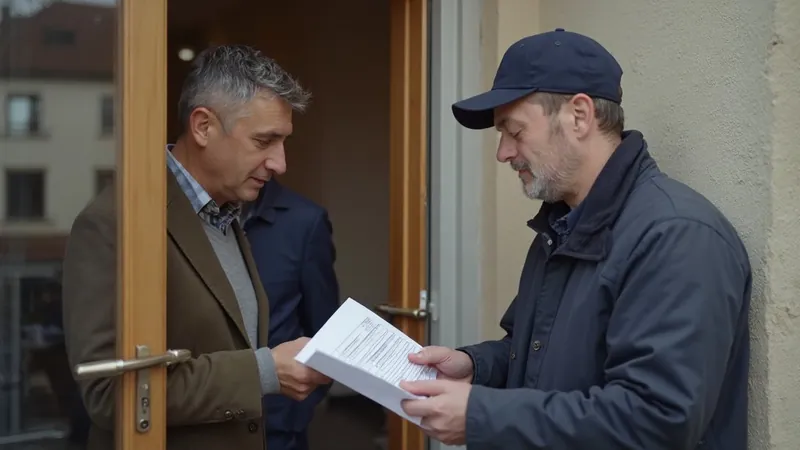
The locksmith will present a written order form (Auftragsbestätigung) on site, explaining the breakdown before they proceed. This is your chance to ask questions and agree to the terms.
How to Protect Yourself from Overcharging
While unfair pricing does occasionally happen, there are straightforward steps to avoid it, especially as someone unfamiliar with German norms.
- Ask for a quote in writing before work begins. This is not just good practice—German consumer law often expects it. The locksmith should explain what they're charging for and why.
- Check your tenant's insurance (Hausratversicherung). Many policies cover lockout costs if you're a renter. In some cases, your landlord's liability insurance or building maintenance fund may also contribute. Review your Mietvertrag (rental agreement) and call your insurer first if you're locked out.
- Verify they're certified (Handwerksbetrieb). A legitimate locksmith in Germany holds a Handwerksmeister certificate or is registered with a guild (Zunft). They're bound by professional standards.
- Use a referral service for English support. If language is a barrier, a service that connects you to vetted, English-speaking locksmiths removes a common point of misunderstanding. You avoid confusing explanations and unexpected charges.
- Never agree to cash-only terms. Legitimate German locksmiths offer invoice and bank transfer payment. Cash payments leave you without proof.
When Fixed Pricing Doesn't Work
Some locksmith businesses do advertise a flat rate—often online or in local directories. Be cautious. A suspiciously low advertised price often hides add-on charges, or the locksmith may insist the job is more complex than quoted once they arrive. You end up paying more than if you'd called a transparent operator from the start.
German consumer protection (Verbraucherschutz) expects transparency, but the responsibility is partly yours to question and verify. If a locksmith won't provide a written breakdown before work, that's a red flag. A professional, certified locksmith has no reason to hide costs; they know their work is worth the price.
The fairest approach: contact a certified locksmith through a referral service that speaks your language. They explain the job on site, provide a written quote, and you decide with full information. No surprises, no haggling.
What to Do Right Now
If you're locked out, trapped inside, or have lost keys in Germany, you need a locksmith fast—not a long conversation about pricing philosophy. That's where an English-speaking hotline saves you time and stress. A certified local locksmith can be dispatched to your address in most German cities within the hour, and they'll explain costs clearly when they arrive.
Don't wait for prices online or waste time with unreliable contractors. Call the Key Experts hotline now and let us connect you with a vetted, English-speaking locksmith who understands why there's no fixed price—and why that's actually your protection.
Frequently asked
Can I get a locksmith price over the phone?
No, not a binding one. A locksmith needs to see the lock and assess the damage or complexity before quoting. They may give a rough range, but the final price is determined on site and presented in writing before work begins.
Is there a standard rate for lockouts in Germany?
No. Costs vary by region, time of day, lock type, and difficulty. A late-night emergency lockout costs more than a daytime appointment. A simple non-destructive opening costs less than installing a new lock. There's no fixed menu.
Does my renter's insurance cover locksmith costs?
Often yes, if you're locked out or have lost keys. Check your Hausratversicherung policy and call your insurer before booking a locksmith. In many cases, the cost is covered in full or partly, saving you money.
Why do locksmiths charge for a call-out even if they can't help?
Because they've travelled to your address, assessed the problem, and spent time—that has a cost. It's standard in Germany and protects the locksmith from being exploited. If they solve the problem, you pay the full fee. If they can't, the call-out may still be charged, though this is often negotiable.
How do I know if a locksmith's price is fair?
Ask for a written breakdown before they start work. A certified locksmith will provide one without hesitation. If they won't explain costs or pressure you to decide immediately, find another locksmith. Transparent pricing is a sign of a professional.
What's the difference between a certified and uncertified locksmith?
A certified locksmith (Handwerksmeister) is registered, trained, and bound by professional standards and pricing norms. An uncertified operator may have no oversight. Always verify certification or use a referral service that vets locksmiths for you.