
When Does a Lock Really Need Drilling?
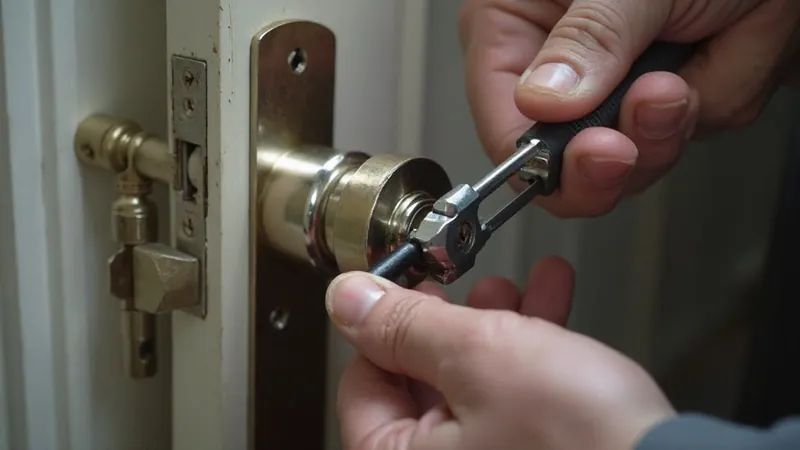
A broken lock, a lost key, or a stuck mechanism can all feel like emergencies. But drilling should never be your first instinct—and it's irreversible. If you're renting in Germany, drilling without permission can cost you your deposit. Even as a homeowner, a certified locksmith can often open or repair your lock without damage, saving money and preserving the lock itself.
This guide walks you through when drilling is genuinely necessary, and when a skilled locksmith can help you avoid it.
When Drilling Is Actually Necessary
Drilling becomes the right choice in specific, genuinely stuck situations. Understanding these helps you make an informed decision rather than assuming damage is inevitable.
- A key has broken inside the lock — if part of the key shaft is lodged deep in the mechanism and cannot be extracted with specialist tools, drilling may be the only safe way forward.
- The lock is seized and corroded beyond function — heavy rust or mineral deposits in an old German building can freeze a lock solid. If lubricants and gentle manipulation fail, drilling avoids hours of futile attempts.
- You are locked out of a commercial or industrial safe — safes with damaged locks often require drilling to access the contents; a certified locksmith will know the exact angle to minimize harm to the safe body.
- A lock mechanism has shattered internally — if the plug or cylinder has fractured, extraction without damage is impossible, and drilling is the fastest, safest removal.
- An old or obsolete lock has no spare parts available — in historic German buildings, you may encounter locks from decades ago with no replacement components; drilling and replacement becomes practical.
When You Should Try Other Options First
Most lockout situations and mechanical failures do not require drilling. A certified local locksmith has non-destructive techniques that preserve your lock and your security deposit—crucial if you are renting.
- You are locked out but the key exists — a locksmith can pick or bump the lock, or remove the cylinder without drilling the entire lock body. The lock remains intact for re-keying or re-use.
- The lock is stiff or sticky — graphite powder, specialist lubricants, and gentle manipulation often free up a stubborn mechanism within minutes. Many Germans call their Hausmeister (building superintendent) first; a locksmith offers the same service if your landlord is slow to respond.
- A key is bent or damaged — do not force it into the lock. A locksmith can extract it safely and cut a new one from your spare or the original code.
- The lock cylinder is stuck but the door opens — if you can access the lock from the inside or remove the lock plate, the cylinder can often be extracted and serviced without drilling through the door itself.
- You have lost your key but own the lock — many modern locks can be opened by a locksmith with the original key code or picking tools, preserving the lock for future use.
Renting in Germany: Drilling and Your Deposit
German tenant law (Mietrecht) is tenant-protective in many ways, but lock damage is a serious issue. Your Mietvertrag (rental contract) and your landlord's expectations matter enormously here.
If you rent, drilling a lock without the Vermieter's (landlord's) permission is often treated as damage you must pay for. Even if you own the door and frame, an intentional hole through the lock hardware may be deducted from your Kaution (security deposit). Instead, call a certified locksmith immediately when locked out. They can open the door without drilling, and you have documentation showing you acted responsibly. This protects both you and your deposit.
Many rental insurance policies (Haftpflichtversicherung) cover lockout costs, so check your documents. If you caused the lock damage—for instance, by forcing a bent key—your insurance may not cover a locksmith's emergency call, but it will cover the repair cost, which is cheaper than losing your deposit.
What a Locksmith Assesses Before Drilling
A skilled certified locksmith will always consider non-destructive options before recommending drilling. They follow a practical sequence:
- Identify the lock type and age — older German locks (especially pin-tumbler models) can often be picked or bumped; modern security locks may need manipulation of the core rather than the outer body.
- Check for extraction tools — a locksmith may remove the cylinder without harming the door, then service or replace it separately.
- Test lubricants and gentle force — graphite, silicone spray, and careful tension can free seized mechanisms in minutes.
- Assess the structural integrity — if the lock has internal damage, drilling is quicker and safer than risking breakage that damages the door itself.
- Confirm your ownership or tenancy — a reputable locksmith will ask for ID and clarification of your right to access the property; they will also advise you of the implications (deposit, lease terms) before proceeding.
This diagnostic approach saves you money, preserves your property, and gives you a clear record of professional judgment—important if questions arise later with your landlord or insurance provider.
Your Next Steps: When to Call for Help
If you are locked out, facing a stuck or broken lock, or uncertain whether your situation genuinely needs drilling, do not delay. A lockout in a German apartment building can escalate quickly, especially if you also need to notify your landlord or Hausmeister. The longer you wait, the more tempting a DIY drill or hammer approach becomes—and that is when real damage happens.
Our English-speaking hotline connects you directly to a certified local locksmith who will assess your lock, explain your options in plain English, and answer questions about German tenancy, deposit protection, or insurance before they even arrive at your door. They carry the right extraction tools, lubricants, and picking equipment to handle most situations without drilling. If drilling truly is the best choice, they will explain why and show you the written order form on site so you know exactly what you are paying for.
Whether you rent, own, or are locked out of a workplace, a professional locksmith saves you time, money, and the stress of making the wrong decision under pressure. Call our hotline now for urgent help and peace of mind.
Frequently asked
Can a locksmith open my door without drilling?
In most cases, yes. A certified locksmith uses picking, bumping, or cylinder extraction techniques to open or repair your lock while preserving it. Drilling is reserved for genuinely stuck or damaged mechanisms that cannot be freed any other way.
I rent my apartment in Germany. If I drill the lock, will I lose my deposit?
Drilling a lock without your landlord's permission is often treated as damage under German tenant law. You may be liable for the cost of repair or replacement, which can come out of your Kaution. Always contact a locksmith first; it protects your deposit and gives you a paper trail of responsible action.
What should I do if a key breaks inside my lock?
Stop trying to turn or pull. Call a certified locksmith immediately. They have specialist extraction tools that can remove the broken piece without damaging the lock mechanism. Forcing it further risks jamming the lock completely and may require drilling.
Is it cheaper to drill a lock myself than to call a locksmith?
Drilling yourself damages the lock irreversibly and risks injury to you or the door. A locksmith's cost is almost always less than replacing the entire lock, repairing door damage, or losing your deposit. You also get a professional guarantee and documentation for insurance or tenancy disputes.
How do I know if my lock is seized or just stiff?
A stiff lock responds to gentle manipulation and lubricants like graphite powder or silicone spray. A seized lock does not respond and may have visible corrosion. A locksmith can diagnose this in minutes and advise whether drilling or service is needed.
My landlord says I have to pay for a locksmith. Is that fair?
It depends on the situation. If you caused the damage (lost key, forced entry), you may be liable. If the lock simply failed or wore out, the landlord usually bears the cost. Check your Mietvertrag and ask the locksmith for a written estimate and explanation so you can clarify with your landlord in writing.