
A Stuck Padlock or Lost Padlock Key
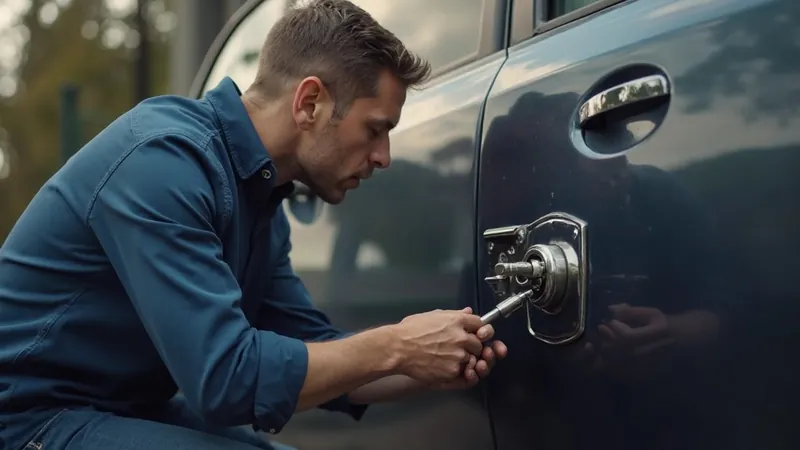
A stuck padlock or lost key can happen to anyone—whether it's securing your bike, garage, or storage unit in Germany. If you're an expat or international resident, dealing with a locksmith in an unfamiliar language and system can feel stressful. This guide explains what to do, what to expect from a certified locksmith, and why prompt action matters.
The good news: padlock problems are usually straightforward to solve. A qualified locksmith can open or remove a stuck or rusted padlock quickly, often without damaging what it protects. Understanding your options helps you act confidently.
Why Padlocks Get Stuck or Keys Go Missing
Padlocks fail for several reasons, especially in Germany's damp climate. Rust builds up inside the mechanism when moisture seeps in—common on outdoor locks exposed to rain. If you've left a padlock on a bike, garden shed, or storage box for months, internal corrosion is likely.
Lost keys are equally common. You might have misplaced the key to an old padlock, or inherited one with the property or rental without documentation. Sometimes the original key is simply worn out or broken.
- Rust and corrosion from moisture and outdoor exposure
- Frozen mechanisms in winter conditions
- Broken or worn keys that no longer turn smoothly
- Keys lost, damaged, or never received when you moved in
- Cheap locks with low-quality internal components
In all these cases, a certified locksmith can open the padlock non-destructively if possible, or remove it safely if necessary.
When to Call a Locksmith for a Stuck Padlock
Don't force a stuck padlock yourself. Applying excessive pressure can break the lock further, damage the shackle, or injure your hands. Instead, recognise when professional help is needed.
Call a locksmith immediately if:
- The key won't turn at all, even with light pressure
- The key turns but the shackle (metal loop) won't open
- You've lost the key and need urgent access to a bike, garage, or storage area
- The lock is rusted, frozen, or clearly corroded
- You're locked out of a rental flat or storage unit and the Hausmeister (building manager) isn't available
- The padlock is on shared property and you need professional documentation of opening
A certified local locksmith has the right tools—graphite powder, penetrating oil, extraction tools, and drill bits—to open or remove the lock safely. They'll explain the situation on site and provide a written order form detailing the work.
What to Expect: The Locksmith's Approach
When a certified locksmith arrives, they assess the lock's condition first. If it's a stick padlock, they'll try gentle non-destructive methods before considering removal.
Common techniques include:
- Applying penetrating oil to loosen rust and corrosion
- Carefully manipulating the mechanism with specialist picks or tension tools
- Tapping gently to shift internal components
- If non-destructive opening fails, controlled drilling to remove the lock
- Documenting the work with photos for insurance or landlord records
The locksmith will explain what they're doing and why. If it's your bike, garage, or personal property, they may be able to preserve the lock. If it's a rental flat or shared storage, they'll follow standard procedure and provide you with written confirmation of the opening.
Be prepared to show proof of ownership or tenancy. If you're renting, inform your Vermieter (landlord) or Hausmeister before the locksmith arrives, especially if the padlock secures a communal area or storage locker.
Cost and Documentation
You won't know the exact cost until the locksmith assesses the work on site. The complexity, lock type, and whether it opens non-destructively all affect the fee. The locksmith will explain the cost and provide a written order form (Auftragsformular) before proceeding.
Keep the documentation for your records. If the property is rented, your landlord may need proof that the lock was professionally opened. If you claim the work on insurance—for example, if a stolen bike lock was forced—the receipt is essential.
Many household contents insurance policies (Hausratversicherung) cover locksmith fees for emergency access to your flat or storage areas. Check your Mietvertrag (rental agreement) to see who pays for lock opening or replacement if it's a communal padlock. Some landlords cover it; others expect the tenant to pay.
- Ask for an itemised receipt showing the work performed
- Request photos of the lock before and after if it was damaged
- Check if your insurance covers the cost
- Clarify with your landlord who is responsible for payment in a rental situation
Preventing Future Padlock Problems
Once the stuck or lost-key padlock is dealt with, invest in quality replacement locks and simple maintenance habits.
Choose a heavy-duty padlock from a trusted manufacturer—German brands and certified locks are reliable. Use a padlock rated for outdoor use (wetterfest) if it will be exposed to rain. Store a spare key in a safe place, or leave one with a trusted friend or your Hausmeister in case of loss.
Maintain outdoor padlocks with light oiling every few months. Silicone spray or specialist lock oil prevents rust. Wipe away moisture after rain, and in winter check that the mechanism isn't frozen before applying force.
If you're moving into a flat or renting a storage unit with an old padlock, ask your Vermieter or landlord to provide the key or replace the lock. Don't assume you have to accept a lock with a missing key.
For urgent help with a stuck padlock or lost key, especially outside business hours or if you don't speak German, our English-speaking hotline connects you with a certified local locksmith who can arrive quickly and resolve the problem professionally. Call now if you need same-day assistance.
Frequently asked
Can I open a stuck padlock myself?
Forcing a stuck padlock risks breaking it further, damaging what it secures, or injuring your hands. A certified locksmith has specialist tools and training to open it safely without damage. It's worth the professional fee to avoid making the situation worse.
Will the locksmith damage my bike or storage box when opening the padlock?
A qualified locksmith uses non-destructive methods first—such as penetrating oil and careful manipulation—to open the lock without harming the item it protects. If the lock must be drilled, they'll do so as cleanly as possible. Always discuss this with them before they start.
What should I do if I've lost the key to a padlock on a rental storage unit?
Contact your landlord or Hausmeister immediately and ask permission for a locksmith to open it. Provide the locksmith with written confirmation from your landlord. Keep the receipt and photos for your records, as the landlord may ask for proof of professional opening.
Is a stuck padlock covered by renter's insurance in Germany?
Many Hausratversicherung (household contents insurance) policies cover locksmith fees for emergency access to your flat or personal storage areas. Check your policy and inform your insurer. In most cases, you'll need the receipt and a description of what happened.
How quickly can a locksmith arrive for a stuck padlock?
Response times vary by location and time of day. In urban areas like Berlin, Munich, or Hamburg, a certified locksmith often arrives within one to two hours. Call our English-speaking hotline for availability and estimated arrival time—same-day service is usually possible.
What's the difference between a stuck padlock and a locked padlock?
A stuck padlock won't open even with the correct key—the mechanism is jammed by rust, cold, or damage. A locked padlock works fine but you've lost the key. A locksmith handles both situations, but a stuck lock may take longer to open carefully.