
Smart Locks for German Flats: Worth It?
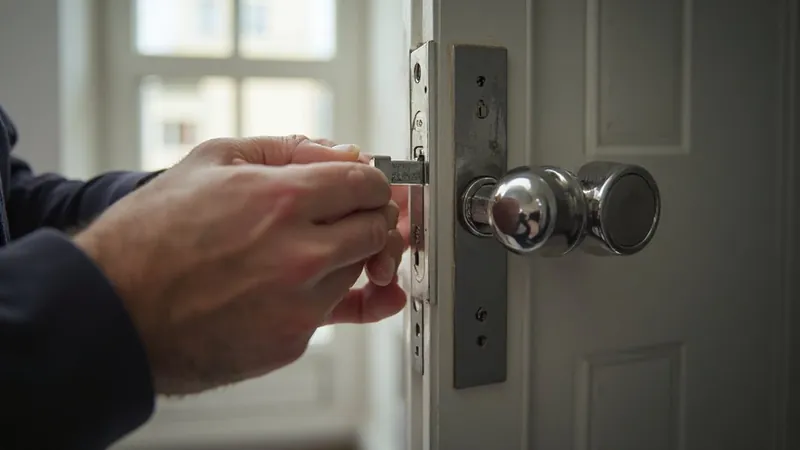
Smart locks are becoming more common in German apartments, but whether they're right for you depends on your rental agreement, your building's infrastructure, and what you actually need. As an expat or international resident, you may be weighing the convenience of keyless entry against the rules of your Mietvertrag (rental contract) and the practicality of German building systems.
This guide walks you through what smart locks are, what German landlords typically allow, the technical challenges you might face, and when they're genuinely worth installing in your flat.
What Are Smart Locks and How Do They Work?
A smart lock is an electronic deadbolt or cylinder that opens via smartphone app, keypad code, biometric scan, or remote access instead of a physical key. Some replace only the interior mechanism and still require a key from outside; others replace the entire lock cylinder.
In German flats, the most common types are:
- Smart cylinders – fitted into your existing door frame, compatible with most German locks
- Smart deadbolts – replace the lock entirely, requiring landlord approval
- Battery-powered keypads – mounted on the door, no app needed
- Retrofit smart handles – replace the handle but use your existing lock
Most run on rechargeable or replaceable batteries. You control access through an app, and many send you notifications when someone enters or leaves. Some integrate with smart home systems like Apple Home, Google Home, or Alexa.
Your Rental Contract: What Your Landlord Will Allow
This is the critical first step. In Germany, your Mietvertrag almost always gives your Vermieter (landlord) the right to control access to the property and dictate what modifications you can make. Installing a smart lock without written permission can violate your contract and cost you your deposit.
Most German landlords fall into two camps:
- Will not allow it – they want to retain a physical key and control over who can enter (for maintenance, emergencies, inspections). Many landlords are cautious about technology, data security, and liability.
- Will allow it if reversible – if the smart lock doesn't damage the door or frame and can be removed and replaced with the original lock when you move out.
Before you buy anything, contact your Vermieter in writing and ask explicitly. If they say no, don't install it. If they're unsure, suggest they keep a mechanical key as well—this often settles concerns. Many landlords appreciate that a smart lock can improve security and reduce lock-out emergencies.
German Building Challenges: Power, Connectivity, and Older Doors
German apartments, especially pre-1990s ones, often have physical constraints that complicate smart lock installation.
- Old lock frames – many German doors use DIN-standard locks with specific cylinder sizes. Check your current lock's specifications before assuming a smart cylinder will fit.
- No power outlet nearby – German flats rarely have outlets at door level. Battery-only locks are your solution, but you'll need to replace or recharge batteries every 6 to 12 months depending on usage.
- Poor WiFi or mobile signal – older buildings with thick stone walls can have weak connectivity. A smart lock that relies on your smartphone being in range won't work if the signal drops in your hallway.
- Shared building entrances – if your flat is in a Mehrfamilienhaus (multi-family building) with a shared Haustür (front door) and Hausmeister (building manager), the main entrance is almost never yours to modify. Your flat door can be, but coordinate with building rules.
Before buying, measure your lock cylinder (it's usually marked on the key), check WiFi strength at your door, and confirm your building allows entry system changes.
When Smart Locks Make Sense—and When They Don't
Smart locks are worth it if:
- You share your flat with roommates or short-term guests and want temporary access codes you can delete later.
- You frequently forget your keys and would rather unlock via app than call a locksmith.
- You want a record of who entered and when (useful for documenting unauthorized access to your insurer or landlord).
- Your landlord allows it and you have stable WiFi or a battery-only model.
- You plan to stay in the flat for at least two years and can justify the cost.
They're probably not worth it if:
- Your landlord has forbidden it in writing.
- Your door lock is a rare or specialized German model that no smart cylinder fits.
- Your flat has no WiFi and you can't guarantee battery changes on schedule.
- You're renting short-term (under 12 months) and can't recoup the cost.
- You're in a shared building with strict rules about exterior modifications.
Insurance, Security, and Peace of Mind
Check your Hausrat (contents insurance) and Haftpflicht (liability insurance) policies. Most don't exclude smart locks, but some insurers want notification if you install one—and all want you to maintain a secure door. A smart lock that's properly installed and password-protected usually satisfies insurance requirements as well as, or better than, a traditional lock.
From a security standpoint, a well-reviewed smart lock with encryption is at least as safe as a mechanical lock—thieves with lock-picking skills are rare. The real risk is user error: a weak app password, shared access codes left unchanged, or a forgotten battery that forces you to use an insecure workaround.
If something goes wrong—your lock jams, the battery dies and you can't get in, or you lose access control—you'll need a certified locksmith. Most English-speaking locksmiths in Germany can help reset, repair, or remove a smart lock, though the cost may be slightly higher than a standard lock job because it requires technical knowledge.
If you do encounter a lockout or a smart lock malfunction and need urgent help, our English-speaking hotline can connect you with a certified local locksmith who understands smart locks and German rental law. They can get you back inside and advise on what to do next.
Frequently asked
Will my landlord let me install a smart lock in my German flat?
Only if you ask in writing first and they give permission. Many German landlords allow it if the lock is removable and doesn't damage the door. Some won't allow it at all because they want a physical key for emergencies. Never assume—always check your Mietvertrag and contact your Vermieter before purchasing.
What if the smart lock stops working and I can't get inside?
This is why having a backup mechanical key is essential. If you're locked out and the lock fails, call a certified local locksmith immediately—most can open smart locks without damaging your door. Our English-speaking hotline can connect you with someone who understands both German rental law and smart lock systems.
Do I need WiFi for a smart lock to work?
Not necessarily. Many smart locks use Bluetooth or work offline with a keypad or temporary access codes. However, if you want remote access (unlocking from outside Germany, for example), you'll need reliable WiFi or mobile signal. Battery-only locks with keypads work anywhere but require regular battery replacement.
Are smart locks expensive, and will my deposit cover the cost?
Smart locks range widely in price, from budget keypad models to premium app-enabled systems. Once installed, they're yours to remove and take with you when you move. If your landlord insists you remove it before checkout, save the original mechanical lock cylinder so you can reinstall it—this protects your deposit.
What happens if I move out—do I have to remove the smart lock?
In most cases, yes, if your landlord requires it. This is why reversible, non-damaging smart locks are safer than those that permanently modify the door. Always install something you can uninstall cleanly and restore the original lock before your Auszug (move-out) inspection.
Can my smart lock work with my building's main entrance system?
Almost never. Shared front doors (Haustür) in German buildings are controlled by the building management or Hausmeister and cannot be modified by tenants. You can only install a smart lock on your own flat door, not on common entrances.