
Keys in a Shared Flat (WG): Who’s Responsible?
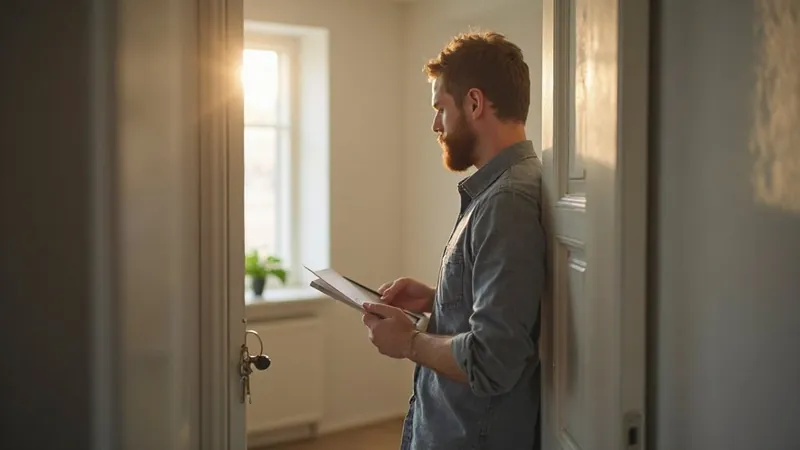
Living in a shared flat (Wohngemeinschaft or WG) in Germany brings real benefits—lower rent, built-in social life, shared bills—but key management can quickly become complicated. Who pays for lost keys? Who gets a copy made? What happens if someone moves out? Understanding these practical and legal boundaries will save you money, stress, and conflict with your flatmates and landlord.
This guide covers your rights and responsibilities around keys in a WG, explains what your Mietvertrag (tenancy agreement) usually says, and shows you how to handle the most common situations.
Who Owns the Keys and Who Pays for Them?
In a typical German WG, the landlord (Vermieter) owns the property and usually provides one set of keys to each tenant listed on the Mietvertrag. The keys remain the landlord's property, even when they're in your hand. This is important: you don't own them, you hold them in trust.
Responsibility for the original keys supplied by the landlord usually stays with you. If you lose your set, in many cases you are expected to pay for replacement keys and a locksmith callout to rekey the lock. This cost can be significant, especially if the landlord decides to change the entire lock cylinder for security reasons. Always check your Mietvertrag—some contracts specify that tenants share the cost of lost keys, while others place full responsibility on the individual tenant.
- Original keys supplied by the landlord are typically your responsibility once issued
- Additional copies you make yourself are always your expense
- If a flatmate loses a shared key, clarify in your WG agreement who pays
- Some landlords require you to register any locksmith work in advance
WG Agreements: The Safety Net for Flatmates
The legal relationship is between each tenant and the landlord (Vermieter), not between flatmates. However, a written WG agreement (often called a Hausordnung or WG-Vereinbarung) is your best defence against disputes over keys, access, and shared costs. Many WGs operate without one—a mistake that leads to arguments when someone loses a key or a flatmate moves out suddenly.
A good WG agreement covers who gets a key, who can authorise spare copies, what happens if a key is lost, whether guests can have keys, and how the cost of replacement or re-keying is split. It also clarifies what happens when someone leaves: do they return all keys, or must the locks be changed at their expense? In German law, this agreement is not binding on the landlord, but it is binding on you and your flatmates, and it provides clear evidence if there's a dispute.
- Create a written WG agreement even if you think it's awkward—it prevents misunderstandings
- Document how many keys each person gets and who holds spares
- Agree in advance on the cost if someone loses a key
- State whether a departing flatmate must pay for lock changes
- Keep a copy signed by all residents and give one to the Vermieter
Locks, Security, and When You Need a Locksmith
Many WGs want to upgrade locks for security: changing a simple cylinder, installing a modern smart lock, or adding additional bolts. Before you do this, you must get written permission from the Vermieter. Installing a lock without consent, or changing the lock the landlord provided, can be seen as damage to the property and may result in a Kaution (deposit) deduction or even an eviction notice. German tenant law takes this seriously.
If you are locked out (you or a flatmate), a certified local locksmith can open the door quickly. In most cases, the locksmith will pick or manipulate the lock without damaging it. If the lock must be drilled, you should document this and report it to the Vermieter immediately. Keep the locksmith's invoice—it may be reimbursable under your Hausrat insurance (contents insurance) if theft or break-in is involved, though standard lockouts usually aren't covered.
- Always ask the landlord in writing before changing any lock
- A locksmith can open a WG door in an emergency without damage in most cases
- Drilled locks should be reported to the landlord at once
- Keep invoices for any locksmith work—they may be relevant to your Kaution
When a Flatmate Leaves: Keys and Security
One of the trickiest moments in a WG is when someone moves out. Legally, the departing tenant must return all keys to the landlord or remaining tenants, depending on the arrangement. If they don't, the landlord may decide to change the lock at their expense—a cost the departed tenant could be pursued for months later. Make sure everyone signs a Übergabeprotokoll (handover protocol) that records which keys were returned and their condition.
If keys go missing during a handover, or if you suspect a flatmate still has a copy, inform the Vermieter in writing immediately. The landlord can then decide whether to rekey the locks. In many cases, the departing tenant will be liable for that cost. This is why it's essential to document key handover at the moment someone leaves, rather than assume they'll post keys back later.
- Require departing flatmates to return all keys before they leave
- Photograph or film the key handover as evidence
- Have everyone sign the Übergabeprotokoll listing keys returned
- Report missing keys to the Vermieter immediately in writing
- Never change locks yourself without the landlord's permission
What to Do If You're Locked Out or Keys Go Missing
If you or a flatmate are locked out, don't panic—a professional locksmith can help. A certified local locksmith in Germany can usually open a residential lock quickly and often without damage. You have a few options: call the landlord's emergency number (Notfall) if they provide one, contact your WG flatmates to see if anyone has a spare, or call a locksmith directly. Our English-speaking hotline can connect you with a certified, local locksmith in your area who understands the German rental system and will provide a written estimate before work begins.
If a key is genuinely lost (not just misplaced), inform all flatmates and the landlord in writing. Document when and where it was lost. The locksmith may be able to help you search or advise on whether the lock should be changed for security. If the lock is changed, keep the invoice and pass it to the landlord—they may accept it as maintenance rather than pass the cost to you, depending on the circumstances and your contract.
- Keep emergency contact numbers for your landlord, flatmates, and a local locksmith
- Don't try to force a lock open yourself—you risk damage and liability
- A certified locksmith can usually open a door without damage in under an hour
- Report lost keys to the Vermieter and flatmates immediately
- If you need urgent help, our hotline can connect you with an English-speaking locksmith today
Frequently asked
Can my flatmate be forced to pay if they lose their key?
In most cases, yes—if your WG agreement or Mietvertrag states that each person is responsible for their own key. Without a written agreement, it's harder to enforce, which is why you should create one before problems start.
Is my contents insurance (Hausrat) going to cover a locksmith if I'm locked out?
Standard Hausrat policies do not usually cover locksmith costs for accidental lockouts. They may cover costs related to break-in or theft, so check your policy. Emergency locksmith help is still necessary, but you'll typically pay out of pocket.
Can the landlord charge me for changing locks if a flatmate loses a key?
Yes, in many cases. The landlord can bill the tenant responsible for the lost key. This is why a clear WG agreement naming who is liable is so important. If responsibility is unclear, the landlord may pursue the entire group or the main tenant.
Do I need permission to make a spare key for my flatmate?
You should clarify this in your WG agreement. Making spare keys from your own key is legal, but if a copy goes missing or is used without permission, you may be liable. It's safer to agree in advance who gets copies and who holds them.
What happens if I accidentally damage the lock?
Report it to the landlord in writing immediately with photos. If you caused it, you may be liable for repair or replacement. If it was accidental and unforeseeable, you may not be. Document the damage and keep any repair invoices.
Can the landlord enter my WG without warning?
No. In Germany, landlords must give written notice (usually 48 hours) and have a legitimate reason (inspection, repair, etc.). They must use a key or arrange access with flatmates—they cannot simply have a spare key and let themselves in. If they try, it's a breach of your right to quiet enjoyment.