
The Schließanlage: Why a Lost Key Costs More
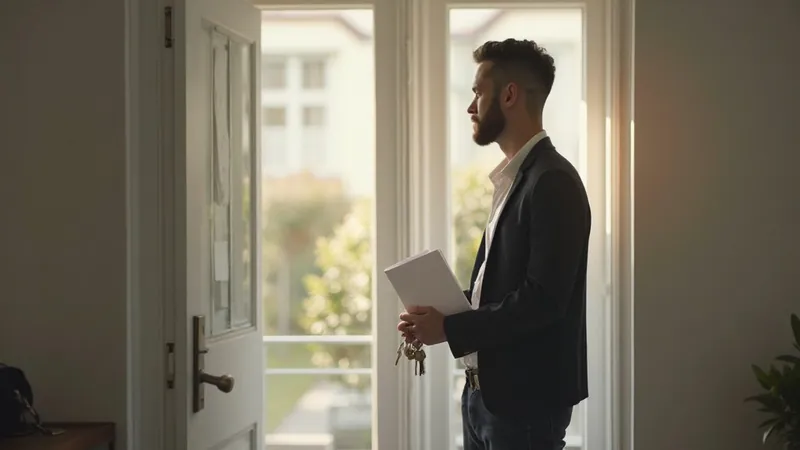
If you're renting in Germany, your landlord (Vermieter) likely uses a central locking system (Schließanlage)—a master-key setup that controls multiple locks across the building. When you lose your key or need access restored quickly, understanding how costs are split between you and your landlord, and how the system works, can save you stress and money.
This guide explains what a Schließanlage is, who pays when keys go missing, and what to do if you're locked out or facing a replacement bill.
What Is a Central Locking System (Schließanlage)?
A central locking system is a coordinated set of locks used in multi-unit residential buildings, offices, and gated properties. The landlord holds a master key that opens all or most doors; tenants receive individual keys for their flat and sometimes shared areas like the entrance or basement.
In Germany, this system is standard in apartment blocks and is regulated by building codes and tenancy law (Mietrecht). The landlord is responsible for maintaining the system and ensuring it functions properly. However, your Mietvertrag (rental contract) will specify what happens if you lose your keys—and this is where costs can become an issue for you.
Who Pays When You Lose a Key?
German tenant law places responsibility on you if you lose or damage keys through negligence. In most cases, your Mietvertrag will state that you must pay for replacement keys or, in some situations, the cost of changing or re-keying the entire Schließanlage. This is a common source of disputes, so it matters what your contract actually says.
- Lost or broken keys: You typically pay for a replacement key made by a locksmith or hardware store. A single key copy is usually affordable.
- Re-keying the whole system: If you've lost your key and the landlord cannot locate a spare, they may decide to change all locks in the building for security. This is expensive and you may be charged, though some landlords absorb the cost. Check your contract.
- Negligence vs. genuine accident: If a court views key loss as negligent (e.g., leaving it in an unsafe place repeatedly), the landlord can pursue you for costs. If it's a genuine one-off, liability may be disputed.
- Hausrat insurance: Some renters' insurance policies (Hausratversicherung) cover lost or stolen keys, including locksmith costs for gaining entry. Check your policy.
Always keep your contract handy and, if facing a large bill, ask the landlord for an itemized invoice and consider seeking advice from a tenant advisory service (Mieterbund).
Locked Out? What To Do Immediately
If you're locked out of your flat, time matters. You cannot wait for your landlord's office to open on Monday if it's Friday evening—you need access now. Here's the practical sequence:
- Contact your landlord or property manager first: They may have a spare key or a Hausmeister (building caretaker) on site who can let you in. This is the fastest and often cheapest option.
- Check if a neighbour has a spare: Many tenants leave a spare with a trusted neighbour for emergencies.
- Call a certified local locksmith: If your landlord is unavailable and you need immediate access, a locksmith can open the door. They'll document the work on a written order (Auftrag) that you can show your landlord later. Keep all receipts.
- Never force entry yourself: Picking locks or damaging your door will cost you far more and may void your deposit.
In emergencies outside office hours, a certified locksmith is your fastest solution. They can often arrive within an hour and will provide a receipt for your records.
Preventing Key Loss and Disputes
A few preventative steps can save you from costly headaches:
- Get a spare key made immediately: When you move in, visit a local hardware store or locksmith and have a spare made. This costs just a few euros and is your best insurance.
- Keep the spare in a secure location: Not on your keychain. Leave it with a trusted friend, family member, or in a small lockbox at home.
- Read your Mietvertrag carefully: Look for clauses about key replacement costs and what happens if keys are lost. If unclear, ask your landlord in writing (per Email) to clarify.
- Document the condition of locks: Take photos of your locks when you move in. This helps prove you didn't damage them through negligence.
- Insure yourself: If you don't already have Hausratversicherung (renters' insurance), consider a policy that covers locksmith costs and lost-key replacement.
These simple steps significantly reduce the risk of a dispute or unexpected expense.
When To Call a Professional Locksmith
Not all locksmith situations are equal. You should contact a certified locksmith in these scenarios:
- You are locked out and cannot reach your landlord or Hausmeister.
- Your key is broken in the lock or missing entirely.
- You need to change your locks (with landlord permission in writing).
- The Schließanlage is faulty or insecure, and you need a professional assessment.
- You need an urgent locksmith visit outside normal business hours.
A certified locksmith will assess the situation, explain options, and provide a written estimate before beginning work. They understand German tenancy law and can advise you on your rights and responsibilities. If you're facing an unexpected locksmith bill or a dispute with your landlord over key costs, an English-speaking hotline can connect you with a local locksmith who understands both the technical and legal sides of the situation—ensuring you're not overcharged and that your landlord's responsibilities are respected. In urgent lockout situations, don't hesitate to reach out; a professional can restore your access quickly and provide documentation that protects you both.
Frequently asked
Can my landlord charge me for a lost key if it wasn't my fault?
Not typically under German law. You're liable only if you were negligent. If someone stole your key or it was lost due to circumstances beyond your control, the landlord often bears the cost. Check your Mietvertrag and, if in doubt, ask the landlord for a written explanation of the charges before paying.
What if my landlord wants to re-key the entire building because I lost my key?
This is expensive and often contested. Many landlords will absorb this cost as a building security measure, especially if it's your first incident. Your contract may limit your liability to a single key replacement. If the bill is very high, seek advice from a Mieterbund (tenant union) before paying.
Does renters' insurance (Hausratversicherung) cover locksmith costs?
Many policies do, particularly if the lockout is due to theft or break-in. Some also cover lost-key replacement and locksmith call-out fees. Check your policy documents or contact your insurer to confirm what's covered before you pay a locksmith.
How much does it cost to have a locksmith open my door?
Prices vary by location, time of day, and lock complexity. A locksmith will explain the cost on a written order form on site before they begin work, so you know exactly what you're paying. Always ask for an itemized invoice for your records.
Can I change my flat's locks without permission?
No. In Germany, the landlord owns the locks and controls access. You must have written permission to change them. If you do change them without consent, you may face legal action or loss of deposit. Always ask your landlord first.
What should I do if I'm locked out on a Sunday evening?
Contact your landlord or Hausmeister first—many have emergency numbers. If you cannot reach them and need access urgently, call a certified locksmith. Emergency locksmiths operate 24/7 in Germany and can usually arrive within an hour. Keep your receipt to discuss costs with your landlord later.