
Rekey or Replace? Choosing the Right Fix
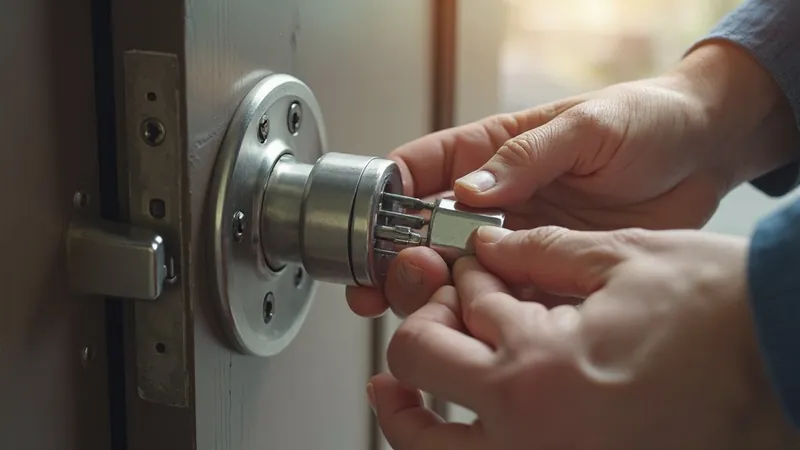
When your lock stops working or you've lost a key, you face a choice: rekey the existing lock, or replace it altogether. Both options are common in Germany, but they suit different situations. Understanding the difference—and knowing what your tenancy contract allows—can save you time, money, and stress.
This guide walks you through when to rekey, when to replace, and how to navigate the process as a renter or homeowner in Germany.
What Does Rekeying Mean?
Rekeying is when a locksmith removes the internal pins or wafers inside your lock cylinder and replaces them with new ones. The lock body stays in place on your door; only the mechanism inside changes. Your old key will no longer work, but the lock looks and functions the same from the outside.
This is often the faster, less invasive option. The locksmith works on-site and usually completes the job in 30 minutes to an hour. There's no damage to your door frame, and you keep the same hardware.
What Does Lock Replacement Mean?
Replacement means removing the entire lock mechanism from your door and installing a brand-new one in its place. The old lock—body, cylinder, and all—comes out and is discarded or returned to you.
- Full replacement: new lock body and cylinder installed
- Cylinder replacement only: just the rotating part is swapped; the housing stays (if it's compatible)
Replacement takes longer and costs more, but it's essential if your lock is damaged, broken, or no longer fits modern security standards in Germany. If you want to upgrade to a higher security grade—say, from a basic pin tumbler to a reinforced anti-pick lock—you'll need full replacement.
Rekeying vs. Replacement: When to Choose Each
The right choice depends on your situation.
- Choose rekeying if: you've lost a key, a family member has moved out, your lock works fine but you want a new key, or you're on a budget and the lock itself is in good condition.
- Choose replacement if: your lock is broken or jammed, the cylinder is damaged or stripped, you need better security (new residence, security concern), you want a modern smart lock or upgraded system, or the lock is very old and no longer reliable.
- As a renter in Germany (Mieter): check your Mietvertrag (tenancy contract) first. Most contracts require you to inform your Vermieter (landlord) before making any changes. Rekeying without permission can breach the contract. Replacement may require explicit landlord approval in writing.
Key Considerations in Germany
German rental law is strict about who owns and controls locks. Your landlord often retains a key to the main entrance and may require you to use a specific locksmith. Always clarify:
- Does your contract allow you to rekey without permission?
- If you rekey, must you provide the landlord with a copy of the new key?
- Who bears the cost—you or your Vermieter?
- For apartment buildings, is the lock part of the common area (Gemeinschaftseigentum)?
If you own your home (Eigentum), you have full control. However, if your property has a shared entrance or mailbox lock, other residents may be affected, so coordination is important.
German locksmiths are trained professionals (often certified by the Handwerkskammer, the chamber of crafts) and understand rental law. They can advise you on what's allowed and document the work in writing, which protects both you and your landlord.
Cost, Time & Next Steps
Both rekeying and replacement are straightforward jobs for a certified local locksmith. Rekeying is typically faster and less expensive because less work is involved; replacement takes longer and requires new hardware. The locksmith will explain the costs on a written order form on site, itemizing labour and materials so you know exactly what you're paying for.
If you're locked out, can't find your keys, or your lock is broken, don't try DIY fixes—you risk damaging the door or lock further. A professional locksmith can assess the damage in minutes and advise whether rekeying makes sense or if you need a replacement.
If you're unsure whether your tenancy contract allows rekeying, or if you want a second opinion, a locksmith familiar with German rental law can help clarify your options. Urgent help is just a phone call away: our English-speaking hotline connects you to a certified local locksmith who can visit quickly and explain your choices in clear English.
Frequently asked
Can I rekey my lock myself if I'm renting in Germany?
No. Your Mietvertrag almost always requires you to notify your Vermieter before any lock changes. Rekeying without permission can be grounds for dispute or penalty. Always ask in writing first and keep documentation of approval.
How long does rekeying take?
Rekeying typically takes 30 minutes to 1 hour. A locksmith will remove the cylinder, swap the internal pins, and test the new key. Replacement takes longer because the entire lock body is removed and installed.
If I rekey, do I have to give my landlord a copy of the new key?
In many cases, yes. German landlords often require a key to the main entrance for safety and emergency access. Check your contract, and ask your Vermieter. This should be agreed in writing before the work.
What if my lock is broken—do I need to replace it, or can it be rekeyed?
If the lock is broken or damaged, rekeying won't help—replacement is necessary. A locksmith can assess the damage on site and recommend the best solution.
Is it better to upgrade to a smart lock when I replace my lock?
Smart locks are popular in Germany, but as a renter, check your contract first. Some landlords allow upgrades; others require the original lock to be reinstalled before you leave. If you own your home, you're free to upgrade.
What should I do if I've lost my keys and need access urgently?
Contact an English-speaking locksmith right away. They can pick or non-destructively open the lock, assess the situation, and advise whether rekeying or replacement is best. Don't attempt forced entry yourself, as it may damage the lock and your door.