
The Profile Cylinder: Germany’s Standard Lock
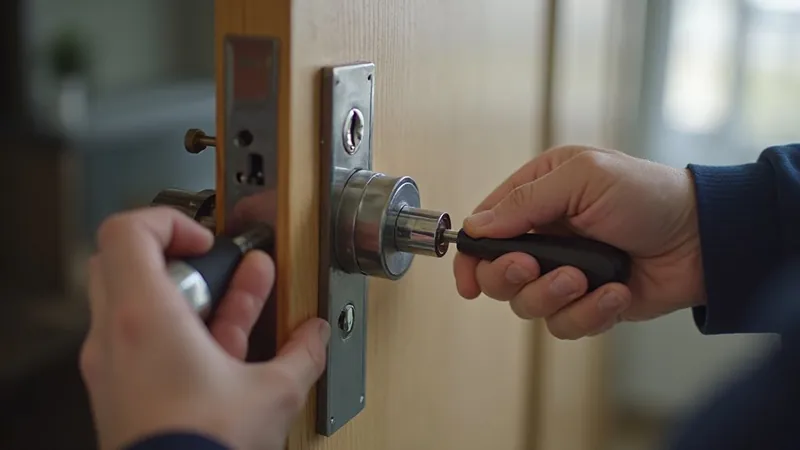
When you rent or own a home in Germany, you'll encounter the Profilzylinder—the profile cylinder lock—in almost every door. It's the standard mechanism that secures your flat, front entrance, and often your letterbox. Understanding how it works, how to maintain it, and when to replace it is essential if you live here, especially if you don't speak German and are unfamiliar with the local housing system.
This guide explains what a profile cylinder is, why Germany chose this design, how to spot problems, and what to do when it stops working or you need a key change. We'll also walk you through your rights as a tenant and when to call a certified locksmith.
What Is a Profile Cylinder and Why Is It Standard in Germany?
A Profilzylinder is a lock cylinder with a standardised key profile that fits into a mortise lock body (Einsteckschloss). The cylinder rotates when you insert the correct key, triggering the bolt mechanism inside. Germany standardised this design decades ago because it's reliable, affordable to manufacture, and allows for quick, modular repairs—you can replace just the cylinder without changing the entire lock mechanism.
Most German rental flats and houses use the same basic profile cylinder system. This uniformity also means parts are widely available and locksmiths are trained to handle them quickly. However, the exact profile type—DIN, KFV, or a proprietary system—can vary by manufacturer and lock age.
Common Profile Cylinder Types and What to Know About Yours
Germany uses several recognised profile cylinder standards. The most common are:
- DIN 18252: The official German industry standard. Affordable, widely available, suitable for most residential doors.
- KFV (Kriminalprävention Fachverband): A crime-prevention variant with extra anti-picking features. Slightly more expensive but common in newer builds and renovations.
- Proprietary cylinders: Some high-security locks or older German locks use manufacturer-specific profiles. Replacement may be more expensive or require ordering directly from the maker.
- Euro profile (5-pin): Found in older flats and some budget locks. Fewer anti-picking features.
If you rent, your Vermieter (landlord) or Hausmeister (building manager) can tell you which type is in your door. If you own, check your purchase documents or ask the previous owner or your locksmith.
When to Replace or Change Your Profile Cylinder
You may need to replace or change a profile cylinder for several reasons:
- Moving in or out: Tenants often request a key change when they move into a rental, so only they and the landlord have keys. Many landlords expect you to pay for a change; check your Mietvertrag (rental agreement).
- Lost or stolen keys: If your key goes missing, the cylinder should be rekeyed (neue Schließung) so old keys no longer work.
- Damage or wear: If the key sticks, turns hard, or the lock feels loose, the cylinder may have internal damage. Forcing it can break it further.
- Inherited a flat: As a new owner, you may want to rekey inherited locks or install a new cylinder to ensure security.
- Lock-out or broken key: If you're locked out or a key broke inside the cylinder, a locksmith can extract it and replace the cylinder if needed.
In many German rental situations, tenants pay for a key change, but the landlord pays for repairs due to damage. Review your contract to be sure.
Costs, Insurance, and Your Rights as a Tenant
In Germany, responsibility for lock maintenance and replacement can be split between tenant and landlord, depending on the cause and your Mietvertrag. Generally, if you lost your key through negligence, you pay for the rekey. If the lock broke due to age or manufacturing defect, your landlord often covers it. This isn't a fixed rule—always check your contract and, if unsure, ask your landlord in writing (per email or registered post).
A certified locksmith will provide a written estimate (Kostenvoranschlag) on site, listing the work and a clear price. This protects you and helps with insurance claims if applicable. If you have a Hausrat (contents insurance) or Haftpflicht (liability insurance), check whether lock-out or key loss is covered; some policies include a small annual allowance for lock work.
As a tenant, you do not have the right to change the lock without your landlord's written permission. If you do without consent, you may lose your deposit (Kaution) or face legal action. Always ask first and keep documentation of any lock work you pay for—you may recover it when you move out.
Maintenance Tips and When to Call a Locksmith
A well-maintained profile cylinder can last 10–20 years. Simple care helps:
- Keep it clean: Remove dust and debris from the key slot with a soft brush. Don't use water or oil—these invite rust and jamming.
- Use the correct key: Never force a key. If it feels stiff or won't insert fully, the cylinder may be misaligned or worn. Stop and call a locksmith instead of forcing it.
- Test your spare key regularly: A faulty spare can damage the cylinder if you use it under pressure. Check spares occasionally to ensure they work smoothly.
- Lubricate sparingly: A dry, graphite-based lock lubricant (Schlossspray) can help a stiff cylinder, but only if you're confident. Improper lubrication can cause jamming. When in doubt, let a locksmith handle it.
If your key sticks, turns with difficulty, won't fully insert, or the lock feels loose in the door, don't ignore it. Small problems become expensive emergencies. A certified local locksmith can diagnose the issue quickly and either service it or replace the cylinder. If you're locked out and it's after hours or you don't speak German, our English-speaking hotline connects you with a nearby, certified locksmith who can help you access your home safely and get back inside without damage.
Frequently asked
Can I change my profile cylinder myself if I rent?
Legally, no—not without your landlord's written permission. Tenants may not alter locks unilaterally in Germany. Ask your landlord first; many will approve a key change if you've lost your key, though you may pay for it. Always document permission in writing.
How much does it cost to change or rekey a profile cylinder?
Prices vary by location, time of day, and complexity. A locksmith will explain the cost on a written order form when they arrive on site. Emergency or after-hours work may incur extra fees. Get the estimate in writing before they start.
What should I do if I'm locked out and my landlord is unreachable?
Call a certified locksmith directly, or use our English-speaking hotline to be connected with one nearby. You'll need to prove you live there (passport, utility bill, tenancy agreement). The locksmith will unlock the door; your landlord may ask you to share the cost if the lock-out was your fault.
Is a DIN profile cylinder more secure than other types?
DIN cylinders are standard and reliable, but KFV variants offer extra anti-picking protection. For a rental flat, DIN is usually sufficient. If you own and want higher security, a KFV or anti-bump cylinder is worth considering—ask a locksmith for advice.
My key is hard to turn. Should I force it or call a locksmith?
Don't force it. Forcing can damage the cylinder or break the key inside, making it worse. A locksmith can diagnose the problem—it may just need a clean or light service, or the cylinder may need replacement. Addressing it now prevents an expensive lock-out later.
What happens to the profile cylinder when I move out of my rental?
You leave the flat with the cylinder in working order. If you paid for a key change when you moved in, you won't recover that cost. If you damaged the cylinder through misuse, the landlord may deduct repair costs from your deposit. Keep receipts for any lock work you paid for in case of a dispute.