
Multipoint and uPVC Door Locks
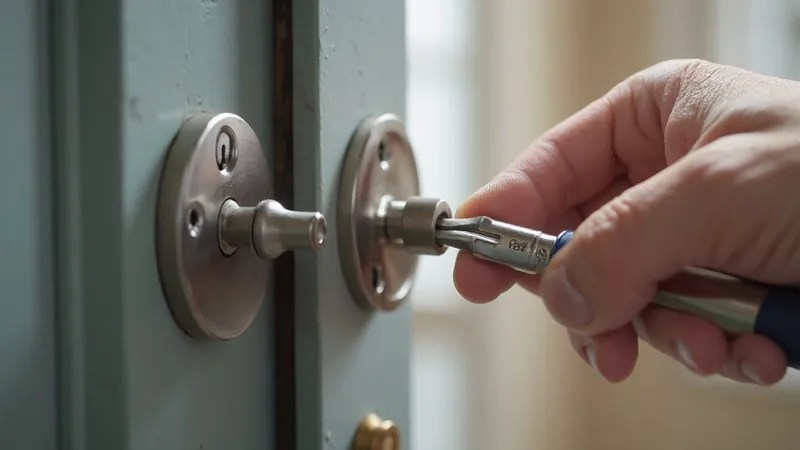
uPVC doors are common in German apartments and rental properties, especially in older converted buildings and modern flats. They're durable and low-maintenance, but their multipoint locking systems can be confusing if you're new to Germany—and they work differently from locks in many other countries. Understanding how yours functions will help you maintain it, recognise when something's wrong, and know what to expect if you need to call a locksmith.
This guide explains multipoint locks on uPVC doors, how they differ from single-bolt systems, what can go wrong, and when to seek professional help. Most importantly, it covers what you should know as a tenant or homeowner in Germany before you pay for a repair or replacement.
What is a Multipoint Lock on a uPVC Door?
A multipoint lock engages multiple locking points along the edge of the door frame when you turn the key or handle. Unlike a single deadbolt, which secures the door at one point, a multipoint system locks the top, middle, and bottom of the door simultaneously. This is why they're standard on uPVC doors in Germany—they distribute pressure evenly, prevent warping, and provide better security.
When you turn the key or lift the handle on a multipoint lock, a cam or roller mechanism activates. This pushes bolts into corresponding strike plates on the frame at multiple heights. The result is a much more rigid door and stronger resistance to forced entry.
- Top bolt: secures the upper edge of the frame
- Middle bolt or roller: often a spring bolt that prevents the door from swinging open
- Bottom bolt: locks the lower edge of the frame
- All three engage and disengage together with one key turn
How uPVC Door Locks Differ from Traditional Locks
If you're from the UK, North America, or other countries, German uPVC locks might feel unfamiliar. The main difference is that uPVC systems are engineered for the material itself. uPVC doesn't shrink or swell like wood, but it can warp if pressure isn't distributed evenly—so multipoint locks are the standard, not an upgrade.
uPVC locks also use a different cylinder and mechanism design. The handle often needs to be in a specific position before you can turn the key. Some doors require you to lift or press the handle slightly before locking; others lock automatically when you close the door. German landlords (Vermieter) typically expect the lock to be in good working order, so any malfunction should be reported promptly.
- Handle position matters: you often must lift the handle before turning the key
- Spring tension keeps the handle in place; if it feels loose or sticky, the lock may need adjustment
- The cylinder and cam work together; damage to either stops the whole system
- Many uPVC doors in Germany are made by Roto, Winkhaus, or Hoppe—each has slightly different mechanisms
Common Problems with uPVC Multipoint Locks
uPVC locks rarely fail suddenly, but wear and tear is normal after several years. Cold German winters can make the material stiffer, and daily use causes internal springs to weaken. If you notice any of these signs, don't ignore them—small issues become expensive repairs.
- Stiff or grinding key: debris or wear inside the cylinder; the key may turn but feel rough or stuck partway
- Handle won't lift or feels loose: broken spring or bent linkage inside the door; the handle may rattle or not return to its resting position
- Door won't lock fully: the latch or bolts aren't catching in the strike plates; you might hear a click but feel the door isn't secure
- Key turns but lock doesn't engage: the cam is broken, bent, or disconnected from the bolt mechanism
- Visible damage to the cylinder: scratches, dents, or forced entry marks mean the lock must be replaced
- Door hangs unevenly or drags: the frame may have shifted; the bolts cannot reach the strike plates properly
If you rent, your Mietvertrag (lease) likely states that the landlord is responsible for maintaining locks. Report any malfunction in writing (email is fine) and keep a copy. If you own the property, fixing a multipoint lock sooner rather than later prevents the door from becoming unusable and protects your security.
When to Adjust vs. Replace a uPVC Lock
Not every problem requires a new lock. A certified local locksmith can often adjust or repair a multipoint system, which is far cheaper and faster than replacement. The decision depends on the damage and the age of the lock.
Adjustment is usually possible if the door or frame has settled over time, throwing the bolts out of alignment with the strike plates. The locksmith can shim or adjust the frame slightly so the bolts engage properly. If the handle is stiff, lubrication or spring tension adjustment may solve it. If only the cylinder is worn, it can be replaced separately without touching the rest of the mechanism.
Replacement is necessary if the cam is broken, the lock has been forced, or the damage is so severe that the door is unsecured. Many landlords and property managers in Germany use standardised multipoint locks (often Roto or Winkhaus models) so replacements are straightforward. A locksmith will remove the old cylinder and mechanism, install a new one, and test all three bolt points. You'll receive a new key set and documentation of what was done—important for your records, especially if you're a tenant.
- Adjustment: usually takes 30 minutes to an hour; significantly cheaper
- Cylinder replacement only: faster if the mechanism itself is sound
- Full lock replacement: necessary if the door frame or bolt housing is damaged
- Always ask the locksmith for a written description of what was done and why
Maintenance Tips and Your Responsibilities
Keeping your uPVC lock in good working order is simple. Avoid using excessive force when turning the key or lifting the handle; this is one of the quickest ways to damage the internal mechanism. In winter, if the key feels stiff, do not force it—apply a tiny amount of graphite powder (not oil or WD-40, which attracts dust) to the key and gently work it in and out until it turns smoothly.
Check the door and frame twice a year. Walk around the outside and inside, looking for gaps between the door and frame. If the gap is uneven (wider at the top than bottom, for example), the frame may have shifted and the bolts may not be engaging correctly. This is more common in older German apartment buildings where settlement is gradual.
If you're renting, your lease usually specifies who pays for maintenance. In many cases, normal wear and tear is the landlord's (Vermieter's) responsibility, but damage caused by misuse or neglect may fall to you. If you're unsure, ask your landlord in writing before paying for any repair. If you own the property, treat the lock as part of your home maintenance—a working lock is essential for security and insurability (Hausratversicherung, or contents insurance, often requires locks to be functional).
If you face an urgent problem—the key is stuck, the door won't lock, or you suspect forced entry—do not attempt to force it further. A certified local locksmith can safely diagnose the issue on site and explain your options clearly. Our English-speaking hotline connects you with experienced professionals who understand the German rental system, multipoint mechanisms, and can help you quickly, even if you don't speak German.
Frequently asked
Can I adjust a multipoint lock myself if the bolts aren't catching properly?
No. Adjusting frame alignment or bolt engagement requires specialised tools and knowledge of how the mechanism works. Attempting DIY adjustment can damage the lock further and invalidate any warranty. A certified locksmith can assess alignment and make safe adjustments in minutes.
My landlord says the lock is 'my problem' even though I'm renting. Is that normal in Germany?
Not usually. Locks are normally considered part of the property's essential infrastructure, and maintenance is the landlord's responsibility unless your lease explicitly states otherwise. Check your Mietvertrag or ask in writing. If there's disagreement, contact a Mieterverein (tenant union) for advice.
Is a multipoint lock more secure than a single deadbolt?
Yes, generally. The three bolt points and distributed pressure make forcing the door much harder. However, security also depends on the door frame, material, and whether hinges are exposed. A multipoint lock is a solid standard for German residential doors.
What happens if I lose my key to a multipoint lock?
A locksmith can open the door without damage and rekey the lock or replace the cylinder so your old key no longer works. You'll receive a new key set. Keep proof of the work for your records, especially if you're renting.
How long do uPVC multipoint locks usually last?
With normal use, 10–15 years or more. Cold winters and heavy daily use can wear springs and cylinders faster. If your lock is original to the property and the building is old, replacement or servicing may be overdue.
My handle is very stiff. Do I need to replace the whole lock?
Not necessarily. The spring, linkage, or lubrication may be the issue. A locksmith can often fix stiffness with adjustment or cleaning. If the problem is inside the cylinder, the cylinder alone can be replaced without touching the multipoint mechanism.