
Lost Your House Keys in Germany: What to Do
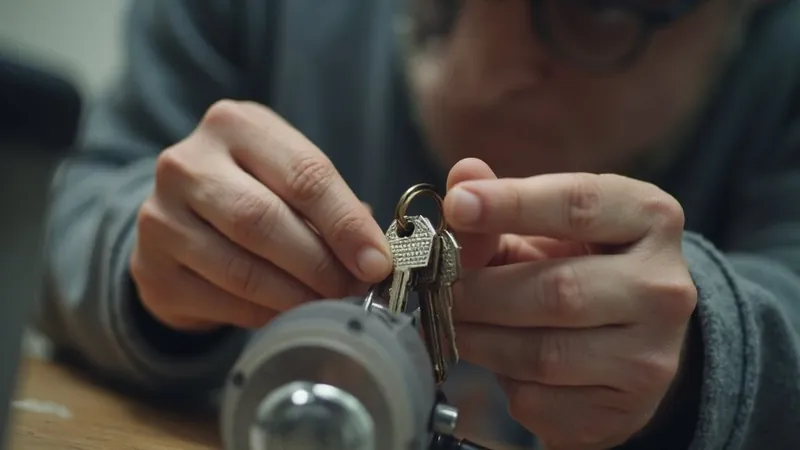
Losing your house keys in Germany can feel unsettling, especially if you're new to the country and unsure how the system works. The good news: it's manageable, and you have clear, practical steps to follow. Whether your keys fell out at the supermarket, got lost on the train, or simply vanished, this guide walks you through what to do next—and how to regain access to your home quickly.
Germany's rental and property systems mean you may be dealing with your landlord (Vermieter), a property manager, or your own security arrangements. Understanding who holds responsibility and what your options are will save you time, stress, and money.
Immediate steps: Search and notify
Start by retracing your steps. Think about where you last remember having your keys. Check with the place where you might have lost them—your workplace, a café, a shop, or public transport. In Germany, the Deutsche Bahn (train service) and local transport companies have lost-and-found offices (Fundbüro), and many businesses keep unclaimed items for a set period. A quick call or visit can save you the cost and hassle of a locksmith visit.
Once you've searched thoroughly, tell your landlord or property manager immediately. In many cases, your Mietvertrag (tenancy agreement) requires you to report lost keys. This also protects you legally—if someone finds your keys and uses them to break in, documentation of the loss helps protect you from liability claims. Keep the date and time of your report.
Check your insurance and tenancy agreement
Before calling a locksmith, review your Mietvertrag and your Hausrat (household contents insurance) policy. Many rental agreements specify who pays for emergency lockouts or lock changes—sometimes the landlord covers it, sometimes you do. Insurance policies often include coverage for lost keys and emergency locksmith callouts, but there may be conditions or excess fees.
- Mietvertrag: Check whether the landlord is responsible for providing access or if you must cover emergency locksmith costs.
- Hausrat versicherung: Call your insurance provider to ask about lost-key coverage before you pay a locksmith directly.
- Hausmeister: If your building has a caretaker or property manager (Hausmeister), they may have a spare key or be able to admit you, though they typically cannot change locks without authorization.
Having these details clear prevents disputes later and may mean you're not paying the full cost yourself.
Access your home: Calling a locksmith
If you cannot get a spare key from your landlord or Hausmeister, or if they are unavailable, you will need a certified locksmith. In Germany, locksmiths are regulated professionals (often listed as Schlüsseldienst or Schlosser), and many are listed in local directories or online. A certified locksmith will verify your identity and proof of residence before opening the door—this is standard procedure and protects both you and the property.
When you call, explain that you've lost your keys and need emergency access. A reliable locksmith will arrive promptly, check your identification and lease or utility bill, and open the door without damaging it if possible. They'll explain the work and costs clearly on a written order form before they start. Many locksmiths offer English-language support or have bilingual staff, particularly in larger cities and expat-friendly areas.
If it's outside normal business hours and you're locked out with no access to your Hausmeister or spare key, an emergency locksmith can still help—be aware that emergency call-out fees may apply.
Replacing or changing your locks
Once you're back in, you may wonder whether you need new locks. German rental law is clear: if you are renting, you cannot change locks yourself without written permission from your landlord. Changing a lock without consent can breach your Mietvertrag and may result in disputes when you move out.
If your keys were lost in a public place or you're concerned about security, contact your landlord and ask whether they will authorize a lock change or have the existing locks re-keyed. In many cases, the landlord will cover this cost if the loss is reported promptly and the keys contained identification linking them to your address. If you own your home outright, the decision is yours, and a locksmith can advise on re-keying (changing the internal mechanism) versus full replacement.
- Report lost keys to your landlord in writing and keep a copy.
- Request written permission before any lock work is done.
- Keep receipts for any work—your insurance or landlord may reimburse you.
- Ask about rekeying instead of full lock replacement if cost is a concern; it's often cheaper.
Prevent future key loss
Prevention is always easier than emergency action. Once you have your keys back, consider practical measures to reduce the risk of losing them again. Use a sturdy key ring or lanyard, and avoid carrying keys loose in pockets or bags. In Germany, many people use a small Schlüsseltasche (key pouch) clipped to a belt or inside a bag for security.
Keep a spare key with a trusted friend or family member—but not with a family member still living in the same address, as that defeats the purpose in an emergency. Some people use a small, secure key safe hidden outside the property, though ensure it is not visible or obvious. Never hide keys under a doormat, plant pot, or in other predictable places.
If you are renting and your landlord hasn't given you a spare, ask for one in writing. Many landlords keep a spare on file for genuine emergencies. For your own peace of mind and practical security, this is a reasonable request and protects both of you.
If you do lose your keys again and need immediate, professional help, our English-speaking hotline connects you directly with a certified local locksmith in your area. Call us for fast, transparent service—we handle the coordination so you can get back inside without stress.
Frequently asked
Who pays for the locksmith if I'm renting and lose my keys?
This depends on your Mietvertrag and whether you reported the loss promptly. In many cases, if you notify the landlord immediately, they cover the emergency access cost as it affects their property. Check your insurance first, as Hausrat sometimes covers lost-key callouts. Always ask the landlord before paying yourself—you may be reimbursed.
Can the Hausmeister or landlord let me in without calling a locksmith?
If your building has a Hausmeister (caretaker) or property manager, they may have a spare key and can admit you immediately—this is often free or very low cost. Always try this first. However, they cannot change or rekey locks without the landlord's written permission.
Can I change my locks after losing my keys if I'm renting?
No, not without written permission from your landlord. Changing locks without consent breaches the Mietvertrag and can cause serious disputes when you leave. Contact your landlord and ask them to authorize a rekey or lock change instead—they may cover the cost if you reported the loss promptly.
What should I do if my lost keys had my address on them?
Report the loss to your landlord immediately and consider having the locks rekeyed. If keys with an ID tag are found and linked to your address, there is a security risk. Most landlords will authorize rekeying in this situation, and the cost is often covered if you reported the loss right away.
How long does a locksmith typically take to arrive in an emergency?
Response times vary by location and time of day. In urban areas and during business hours, expect 30 minutes to 2 hours. Emergency night or weekend callouts may take longer. Always ask the locksmith for an estimated arrival time when you call and confirm they are a certified professional.
Should I file a police report if my keys are lost?
If your keys contained identifying information linking them directly to your address, you may want to notify the police for your own records, especially if they were lost in a public place. This is not mandatory, but it creates a documented record. Your landlord and insurance company may also want to know about the loss.