
A Locksmith Call-out: What to Expect
When you're locked out of your apartment in Germany or facing a broken lock, calling a locksmith is often your quickest solution—but the process can feel bewildering if you don't speak German or don't know what to expect. Understanding how a locksmith call-out works here will help you stay calm, get the job done fairly, and avoid surprises when the invoice arrives.
This guide walks you through what happens from the moment you dial, what questions to ask, how to verify the locksmith's credentials, and what to do if something feels off. Knowing the routine means you can focus on solving the problem rather than worrying about whether you're being overcharged or misled.
Before You Call: Preparation and Safety
The first step is deciding whether you genuinely need a locksmith or if there's another option. If you're locked out of your rental apartment, check your Mietvertrag (tenancy agreement) to see who holds a spare key—often your landlord or Hausmeister (building manager) does. They may be faster and cheaper than a call-out. Only ring a locksmith if you've exhausted that option or it's an emergency outside office hours.
Next, have these details ready before you call:
- Your full address and apartment/door number
- A clear description of the problem (locked out, key stuck, lock damaged)
- What type of lock you have, if you know it (cylinder lock, mortice, etc.)
- Whether you're a tenant or owner (locksmiths need to know this; tenants should inform their landlord)
- A mobile number where you can be reached
- Information about your building access (is the street door locked? Can a locksmith reach your flat?)
This information speeds up the booking and helps the locksmith give you a realistic arrival time.
The Call-Out Process: What Happens When You Ring
When you contact a locksmith—whether directly or through an English-speaking referral hotline—you'll give your details and explain the emergency. The dispatcher will note the address, access details, and urgency level, then either assign a locksmith immediately or give you an estimated arrival window, usually 30 minutes to two hours depending on location and demand. During evenings, weekends, and holidays, you may face a higher call-out fee; this is standard in Germany and reflects extended hours.
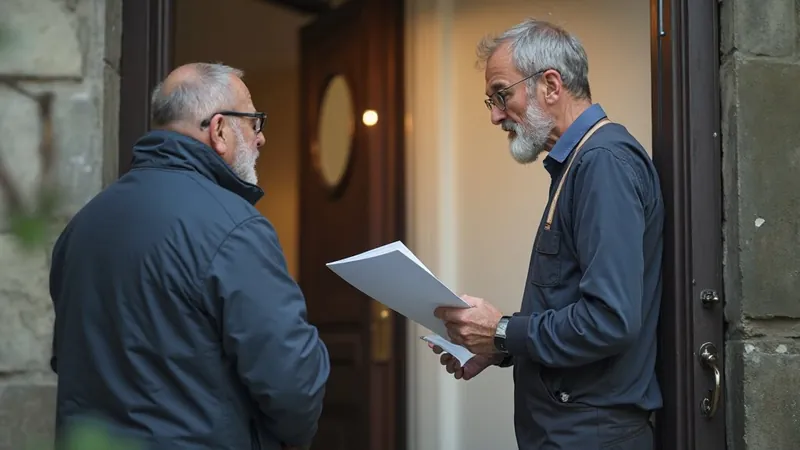
Once the locksmith arrives, they'll ask for proof that you live at or have legitimate access to the address. This is important: they're protecting themselves and the property owner from liability. Have your ID and tenancy agreement or proof of ownership ready. If you're locked out and can't prove residency easily, your landlord or Hausmeister may need to confirm you're the tenant by phone.
The locksmith will then assess the lock, door frame, and the type of access needed. They may be able to open it without damage using specialist tools, or they may need to drill and replace the cylinder or mechanism. They'll explain what they're about to do and why before they start work. If they skip this step or seem reluctant to explain, that's a red flag.
Understanding Charges and Avoiding Surprises
In Germany, locksmith fees vary widely and depend on several factors: time of day (call-out charges are higher at night and weekends), location (rural areas often cost more), complexity of the work, and whether replacement parts are needed. There's no single 'standard' price, and most locksmiths don't quote over the phone—they explain costs once they've assessed the job on site.
Here's what to expect regarding payment and transparency:
- Written quote: A reputable locksmith will provide a written order form (Auftragsschein) before starting work, detailing labour, materials, and the total cost. Ask for this—do not proceed without it.
- Payment on completion: You typically pay by cash, card, or bank transfer once the work is finished and you've confirmed it's successful.
- Insurance claims: Keep your receipt. If you're renting, check your Hausrat (household contents) or Haftpflicht (liability) insurance policy—many cover locksmith call-outs if the lock was damaged through no fault of yours.
- No hidden fees: Reputable locksmiths don't add surprise charges after the work is done. If they do, you can dispute it with your bank or local consumer protection office.
- Emergency surcharges: These are legal in Germany, especially for calls outside standard business hours. They should be disclosed upfront.
If a locksmith seems evasive about costs, rushes to start work without explaining the price, or quotes an unusually low figure that doesn't match the job's complexity, pause and ask questions—or call another locksmith.
Red Flags and How to Spot a Scam
Not all locksmiths operate fairly, and some prey on people in distress. Knowing the warning signs helps you protect yourself and your wallet.
- Vague pricing or verbal-only agreements: Legitimate locksmiths give you a written estimate. If they refuse, walk away.
- Extreme urgency or pressure: Scammers may rush you into decisions, saying 'I need payment now' or 'this is the only way to fix it'. A professional locksmith takes time to explain options.
- Unmarked or untraceable vehicles: Proper locksmiths display their company name and phone number on their van or uniform. Ask for proof of registration and credentials before you let them start.
- Unnecessary 'upgrades' or lock replacements: A simple lock opening shouldn't require replacing the entire lock. If a locksmith recommends expensive upgrades without clear justification, get a second opinion.
- Demanding cash only: While some locksmiths accept cash, a refusal to accept card or bank transfer can be a warning sign. Always ask for a receipt, whatever payment method you use.
- Reluctance to show credentials: Certified locksmiths in Germany carry professional ID or membership cards (from bodies like the Zentralverband Deutsches Handwerk or similar). It's fair to ask to see these.
If something feels wrong during the call-out, you can stop the work, refuse payment, and contact the police or a consumer protection office.
After the Lock-Out: Next Steps and Prevention
Once you're back inside, take a moment to assess what happened and plan ahead. If your lock was damaged, document it with photos for your landlord and insurance. If you lost your key, contact your landlord immediately—you may need to pay for a lock change if it's in your tenancy agreement.
For future peace of mind, consider these steps:
- Spare keys: Leave a spare with a trusted neighbour, friend, or family member in the building. Many Germans keep a spare with their Hausmeister for emergencies.
- Keyless entry: Some landlords permit smart locks; check your Mietvertrag first. If allowed, these eliminate key-loss emergencies.
- Emergency contact list: Save your landlord's and Hausmeister's numbers in your phone, along with a reliable locksmith's contact. If you use a referral service, save that number too.
- Insurance review: Check whether your Hausrat or Haftpflicht policy covers locksmith call-outs. If not, ask about adding it—the premium is usually small.
If you're facing an urgent lock-out or broken lock right now and want professional support in English, our hotline connects you with a certified local locksmith who understands the needs of expats and international residents in Germany. Call today for swift, transparent help.
Frequently asked
Can my landlord make me pay for the locksmith if I lost my key?
In many cases, yes—if you lost the key through your own negligence, your landlord can charge you or deduct the cost from your deposit. Check your Mietvertrag for the exact terms. If the lock was damaged by someone else or a break-in, your landlord or insurance typically covers it.
What's the difference between a 'Schlüsseldienst' and any other repair person I might call?
A Schlüsseldienst is specifically trained in locks, keys, and access systems. They're your go-to for lock-outs, broken locks, and key issues. Handymen or general repairs people may not have the specialised tools or knowledge for complex locks, especially in older German buildings.
Is it normal for a locksmith to charge more at night or on weekends?
Yes, this is standard in Germany. Night call-outs, weekend, and public holiday charges are legal and reflect the cost of operating outside normal business hours. These surcharges should always be disclosed upfront, ideally before the locksmith starts work.
What should I do if a locksmith's bill seems too high?
Ask for an itemised receipt and compare it with quotes from other locksmiths in your area. If you believe the charge is unreasonable, contact your local consumer protection office (Verbraucherzentrale) or dispute it with your bank. Keep all documentation.
Do I have to let a locksmith in if I'm not sure they're legitimate?
No. Always ask for ID, company details, and credentials before allowing anyone into your home. A legitimate locksmith will provide this without hesitation and won't pressure you. If you're unsure, call your landlord or Hausmeister to verify.
Can the locksmith open my door without damaging the lock?
Often yes, but not always. It depends on the lock type and why it's stuck or jammed. The locksmith will assess this on site and explain whether non-destructive opening is possible or if the lock must be drilled. They should give you this information before starting work.