
Locked Out on the Balcony or Terrace
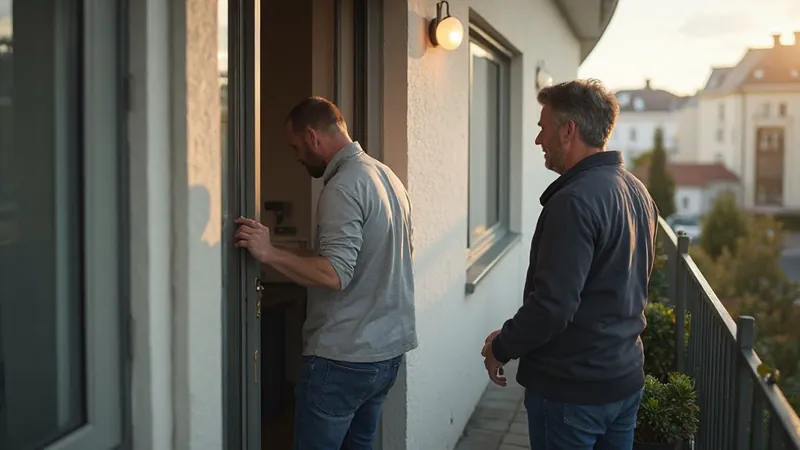
Being locked out on your balcony or terrace in Germany is more common than you might think, especially in apartments where doors are easy to close accidentally. Unlike being locked out of your flat entirely, a balcony lockout is usually solvable quickly—but it requires the right approach and professional help to avoid damage to your rental property or safety risks.
This guide walks you through what to do immediately, how to stay safe while waiting, and why calling a certified local locksmith is your best option. If you're renting, understanding your rights and your landlord's responsibilities matters too.
Immediate steps when you realize you're locked out
Stay calm. Your first instinct might be to try climbing back inside or breaking the door, but both carry real risks in a German apartment building. Instead:
- Check if the balcony door is truly locked. Some doors jam rather than lock properly. Push and pull gently; try the handle both ways. Avoid forcing it.
- Look for another way back inside. If you share a terrace or balcony with neighbors, knock politely and ask to pass through their flat. Most people understand the situation.
- Stay on the balcony. Do not attempt to climb to another window, jump, or use a makeshift rope. Balconies are typically 3+ meters above ground, and falls cause serious injury.
- Bring everything you need. If it's cold or rainy, fetch a blanket, coat, or umbrella while you're still inside if possible. You could be waiting a little while.
- Check for a spare key. Do you have a trusted friend or colleague with a spare? In many cases, a friend can reach your flat and let you back in from inside, which is faster and cheaper than a locksmith call.
Contacting a locksmith in Germany
If there's no spare key nearby and your neighbors can't help, a certified local locksmith is your solution. Germany has strict locksmith regulations—only licensed professionals (Schlüsseldienst with proper certification) should handle your door to protect your security and avoid damage.
- Call an English-speaking hotline. Many locksmiths in major German cities offer phone support in English. Explain you're locked out on a balcony or terrace, and they'll dispatch someone to your address.
- Be ready with your address and building details. Let the locksmith know which floor you're on and whether it's an apartment building or a house. This helps them arrive prepared.
- Ask about response time. In cities like Berlin, Munich, or Cologne, a locksmith often arrives within 30–60 minutes. Response times are longer in rural areas.
- Request a written order form on site. The locksmith will assess the lock and door, then explain what work is needed and costs involved. You'll see this in writing before they proceed.
- Have ID and proof of residence ready. As a renter, show your rental agreement or ID to confirm you live there. This protects both you and the locksmith.
What your landlord should know and do
In Germany, your landlord (Vermieter) is responsible for the functioning of locks and doors on doors that are part of the flat—including balcony doors. If the lock is faulty or broke, that's their problem, not yours.
- Inform your landlord immediately after you're back inside. Send an email or call to report what happened. If the lock is defective, they must repair it within a reasonable time frame (often within a week for something affecting entry).
- The locksmith cost may be their responsibility. In many cases, if the door was faulty or the lock failed, the landlord should cover the locksmith bill. Check your Mietvertrag (rental agreement) for specifics, and keep all receipts and documentation from the locksmith.
- Document everything. Take photos of the lock and door, save your locksmith invoice, and keep a copy of your written report to the landlord. This protects you if there's later dispute about who pays.
- Don't try to fix it yourself. Even if you're handy, repairing the balcony door lock is your landlord's job. Doing it yourself could violate your lease and void your right to claim costs.
Staying safe while locked out
A balcony lockout can feel stressful, especially if weather is poor or you're stuck for an hour. Knowing how to stay safe and comfortable makes a real difference.
- Never try to force the door open. You risk injury and damage to the frame or lock. Wait for a professional.
- Alert someone to your location. Text a friend, family member, or colleague to let them know you're locked out and when you expect to be back inside. If something goes wrong, someone knows where you are.
- Use the intercom or building phone if available. If your building has an intercom or entry phone system, use it to buzz neighbors or the Hausmeister (building manager) for help.
- Stay hydrated and dress for the weather. If you're stuck outside, make yourself as comfortable as possible. Drink water if you have access to a tap (many balconies have a garden tap), and sit in a shaded spot if it's hot.
- Keep your phone charged. You'll need it to contact the locksmith, friends, or emergency services if the situation changes.
Prevention: How to avoid this next time
Once you're back inside, take a few practical steps to avoid another lockout. Simple habits and small changes can save you stress and expense down the line.
- Always check your keys before closing the balcony door. Make it a routine: keys in hand, glance at the lock, then close slowly. Many people lock themselves out because they close the door too quickly without thinking.
- Install a door stop or wedge. Inexpensive rubber door stops or wedges keep the balcony door from swinging shut. They're legal in rental flats and take seconds to place.
- Leave a spare key with a trusted neighbor. In Germany, many people keep a spare with someone nearby. Make sure you both know the arrangement clearly.
- Use a keypad or smart lock (with landlord permission). Modern balcony locks with keycodes or smart access exist. Check your lease first—some landlords have rules about modifications.
- Mark your keys clearly. If you carry multiple keys, use a colored tag or label so you can grab the right one quickly when heading to the balcony.
If you're locked out on your balcony or terrace right now, don't wait. A certified local locksmith can get you back inside safely and quickly. Our English-speaking hotline connects you with professionals in your area who understand the urgency and can explain everything clearly. Call now for fast, reliable help.
Frequently asked
Is it illegal to break my own balcony door to get back inside?
No, but it causes damage and expense. More importantly, you're a renter—breaking the door violates your lease and the landlord can charge you for repairs. A locksmith is faster, safer, and protects your rights.
How long does a locksmith typically take to get me back inside?
In most German cities, a certified locksmith arrives within 30–60 minutes. Rural areas may take longer. Always ask for an estimated time when you call. The actual door opening usually takes just a few minutes.
Who pays if I need a locksmith because I'm locked out on the balcony?
If the lock is faulty or the door mechanism failed, your landlord should pay. If you accidentally locked yourself out due to your own actions, you typically pay. Keep the invoice and documentation; check your rental agreement and discuss with your Vermieter.
Can I ask the Hausmeister to let me back in?
Yes, try asking the building manager (Hausmeister) first—they often have master keys or can open the door more quickly than an external locksmith, and it may cost nothing. If there's no Hausmeister or they can't help, then call a locksmith.
What should I do if it's cold or raining and I'm stuck on the balcony?
Stay as comfortable as possible: sit in a sheltered spot, wear layers, and drink water if available. Tell the locksmith it's urgent when you call so they prioritize your case. In extreme weather, some locksmiths respond even faster.
Does travel insurance or home insurance cover locksmith costs?
It depends on your policy. Some home insurance (Hausratversicherung or Haftpflichtversicherung) covers lockout situations. Check your documents or contact your insurer before paying. Keep your locksmith receipt either way.