
Locked Out of Your Office or Shop
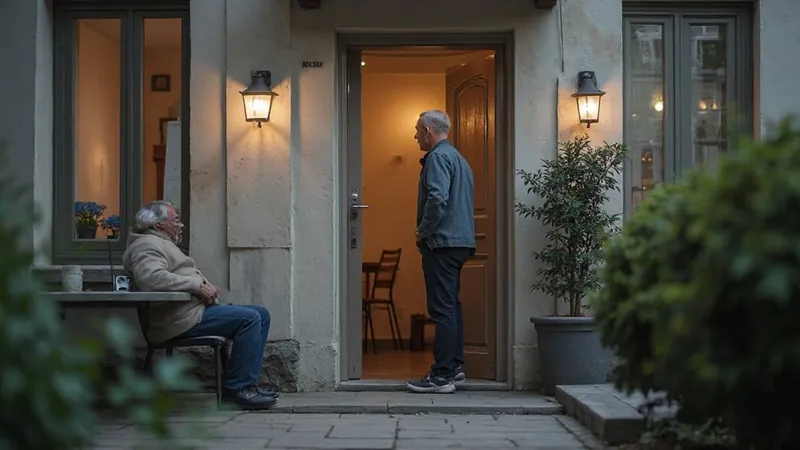
Being locked out of your office or shop is stressful, especially when clients are waiting, deadlines are looming, or stock needs checking. If you're an expat or international business owner in Germany, you may not know which locksmith to call or what to expect. This guide walks you through the immediate steps, what a certified locksmith will do, and how to prevent it happening again.
The good news: Germany has well-regulated locksmiths, and help is available quickly. A certified local locksmith can typically reach you within the hour in most cities, assess your lock, and get you back inside without damage—if that's possible.
Immediate steps when you're locked out
Stay calm and safe. If you're outside in bad weather or it's late evening, find shelter while you arrange help. Do not force the door or try crude methods—you risk damaging the lock, frame, or hinges, which costs more to repair and may void your insurance.
- Check whether anyone else has a key: a colleague, business partner, cleaning service, or the Hausmeister (building manager) if you rent the space.
- If you rent the office or shop (common for startups and freelancers in Germany), contact your Vermieter (landlord) or their Hausmeister immediately. They may have a master key or know the fastest solution.
- Look for a spare key you left with a trusted neighbour, family member, or even at home—it's worth a quick call.
- If none of those work, contact a certified local locksmith. Have your ID ready and be prepared to show proof that you are authorised to be there (business registration, contract, lease, or employment letter).
What to expect from a certified locksmith
In Germany, locksmiths must be registered and often certified by professional bodies. When you call, describe what type of lock you have (cylinder lock, digital keypad, etc.) and whether you are the owner or tenant. The locksmith will ask this to confirm your right of entry.
On arrival, the locksmith will:
- Inspect the lock and surrounding door for damage or signs of forced entry.
- Attempt non-destructive opening first—picking or manipulating the cylinder is faster and cheaper than drilling if the lock allows it.
- If the lock cannot be picked safely, they may drill out the cylinder so you can use your spare key or get the lock replaced later.
- Explain the method and cost before starting; you'll receive a written order form (Kostenvoranschlag or invoice) on site detailing labour and parts.
- Provide a receipt and documentation for your insurance claim if needed.
The whole process usually takes 20–45 minutes depending on the lock type and condition.
Cost, insurance and documentation
Lockout costs vary based on the lock type, time of day, and whether drilling is needed. The locksmith will always explain the cost and method in writing before proceeding. Evening, night, and weekend call-outs often incur a surcharge in Germany—this is standard and legal.
If you rent the office or shop, your Vermieter (landlord) is sometimes responsible for paying if the lock failure is due to a fault they should have fixed. Check your Mietvertrag (lease) and contact them after the locksmith leaves.
For business premises, check whether your Betriebshaftpflicht (business liability insurance) or Hausrat (contents insurance, if applicable) covers lockout costs. Most don't, but some policies include a small allowance. Always keep the locksmith's receipt for your records and submit it with any insurance claim.
- Save the locksmith's contact details for future reference.
- Ask the locksmith for recommendations on improving security (rekeying, upgrading the lock, or adding a second mechanism).
- If the lock was damaged during opening, get a separate quote for replacement from the same locksmith or a local hardware supplier.
Preventing lockouts: practical steps
Once you're back inside, take steps to avoid this happening again. Many lockouts are preventable with a simple routine.
- Keep a spare key in a secure location: Leave one with a trusted colleague, business partner, or friend nearby—not in the office itself.
- Use a keypad or smart lock: If you share the office or shop with staff, a digital code or smartphone-controlled lock eliminates the need for physical keys and makes re-entry easier if someone forgets theirs.
- Check your keys before you leave: Develop a habit of feeling for your keys in your pocket or bag before closing the door, especially at the end of the day.
- Improve your lock: If your current lock is old or unreliable, ask a locksmith about upgrading to a higher-security cylinder or a modern locking system. In Germany, many businesses use DIN-certified locks (Sicherheitsschloss) that are harder to pick.
- Brief your team: Make sure all employees or regular visitors know the protocol if they lock themselves out (whom to call, how to reach you, whether to contact the Hausmeister).
- Mark your keys: Use a small tag or cover with your business name or logo so you notice quickly if you've left without them.
Getting help fast: contacting a certified locksmith
Time matters when you're locked out of your business. An English-speaking hotline connects you to a certified local locksmith who understands the legal framework, your situation, and what you need. They'll dispatch someone quickly, confirm the cost upfront, and ensure the work is done professionally so your door, frame, and lock suffer no unnecessary damage.
Whether you're a startup founder, shop owner, or freelancer working from a rented space in a German city, you shouldn't have to speak German or guess which locksmith to trust. Call our English-speaking hotline now for urgent lockout help and get back to business.
Frequently asked
What if I'm locked out after hours or on a weekend?
Locksmiths in Germany operate 24/7, but call-outs outside normal business hours (usually 7am–6pm weekdays) incur a surcharge, which is legal and standard. The locksmith will quote this before starting work. It's still faster and safer than forcing the door yourself.
My landlord won't answer. Can the locksmith let me in without their permission?
If you can show proof of your right to be there (lease, employment letter, business registration), a certified locksmith can open the door. Inform your landlord (Vermieter) or Hausmeister afterwards. If they refuse to acknowledge your right to entry, keep the locksmith's receipt and consider legal advice.
Will opening the lock damage my door?
A skilled locksmith will try non-destructive methods first (picking, manipulation). Only if these fail and you authorise it will they drill the cylinder. Your door frame and hinges should not be harmed. Always ask the locksmith to inspect for damage and document it in writing.
I'm renting the office. Who pays for the lockout service?
You usually pay immediately. Afterwards, review your lease (Mietvertrag) and contact your Hausmeister or Vermieter to ask whether they cover lockout costs due to a lock fault or malfunction on their side. Many don't, but it's worth checking.
Can I claim the cost on my business insurance?
Most business liability (Betriebshaftpflicht) and contents insurance policies do not cover lockouts. Check your policy documents or contact your insurer. If your lock was faulty or broken, you may have a claim against your landlord instead.
What should I do if I lose my office key?
Contact a locksmith to open the door, then discuss rekeying (changing the lock mechanism so your old key no longer works) or replacing the lock entirely. This is usually cheaper than replacing the whole door and ensures only you and trusted staff have access.