
Locked Out With No Phone or Cash
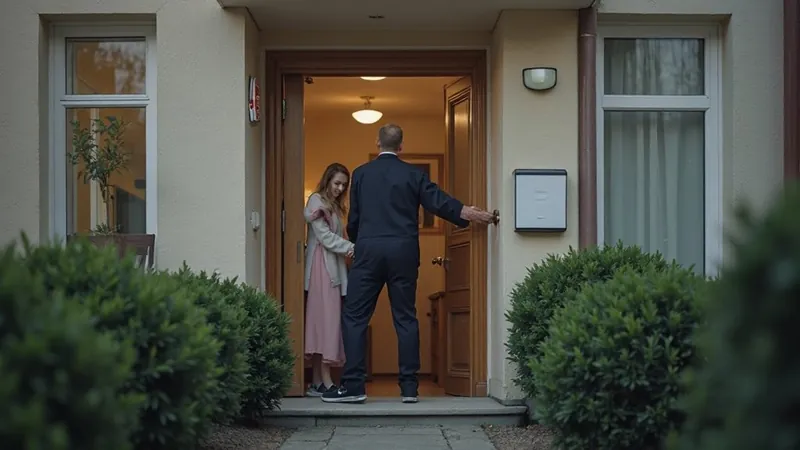
Being locked out is stressful enough—but without your phone or cash, the situation feels urgent and isolated. If you're living in Germany as an expat or international resident and find yourself in this predicament, there are practical steps you can take right now. The good news is that you don't need to panic or stay stuck; Germany has a reliable system for emergencies like this, and help is closer than you think.
This guide walks you through what to do when you're locked out with limited resources, how to contact a locksmith without a phone, and what to expect when someone arrives to help you get back inside.
Immediate steps when locked out with no phone
Your first instinct might be to borrow a neighbour's phone—and that's actually a smart move. Most people are willing to help, especially in an emergency. Knock on nearby doors and explain your situation. In Germany, neighbours are often understanding about lockout situations, and this human-to-human approach usually works.
If you're in an apartment building, your Hausmeister (building manager or caretaker) is another option. Check the building's entrance for a notice board; the Hausmeister's contact details are often posted there. They may have a spare key, or at minimum they can help you call a locksmith. If your building has a reception or office, staff there may lend you a phone as well.
- Ask a neighbour or building staff for phone use—most will help
- Check the building entrance for the Hausmeister's number
- Look for emergency numbers posted in common areas
- If you're in a public space nearby (café, shop, library), ask staff if you can make a quick call
How to reach a locksmith without your own phone
Once you've borrowed a phone, call Key Experts' English-speaking hotline. Tell them you're locked out, give your address, and explain that you have no cash on you. The team will connect you with a certified local locksmith who speaks English and can come to your location. Many locksmiths accept bank card payments on site, so payment method won't hold you up.
When you call, have your address ready. If you're unsure of the exact German address format, describe the street, building number, and floor. The hotline operator will clarify what they need. Let them know you're currently at a borrowed phone and confirm they'll call back or when the locksmith will arrive, so you can wait in a safe spot.
- Call the English-speaking hotline from a borrowed phone
- Have your street address ready (even in English is fine to start)
- Mention you're locked out and without cash—locksmiths often accept card payments
- Confirm the estimated arrival time before handing back the borrowed phone
- Ask for the locksmith's mobile number if possible, in case you need to meet them outside
Payment and what to expect when the locksmith arrives
You don't need cash to access a locksmith's services. On arrival, the certified locksmith will assess the lock and door, then explain what they'll do and provide a written order form detailing the work. This is standard practice in Germany, and you'll see the cost breakdown before work begins. Most locksmiths accept EC card (debit card), Kreditkarte (credit card), or bank transfer—ask which methods they take.
The locksmith will open your door with minimal damage. Modern techniques and tools mean your lock and door usually remain intact, especially if it's a standard residential lock. Once you're back inside, keep the locksmith's contact details; it's helpful to have a trustworthy English-speaking service saved for future emergencies.
- The locksmith provides a written estimate on site before starting work
- Payment is accepted by card (EC/Kreditkarte) or bank transfer in most cases
- Work typically takes 15–30 minutes for a standard lock
- Request a receipt and confirmation of work for your records or insurance claim
- Ask the locksmith for advice on preventing future lockouts (spare key storage, etc.)
Telling your landlord and insurance
After you're back inside, inform your Vermieter (landlord) about the lockout and the locksmith visit. German tenancy agreements often cover accidental lockouts, though policies vary. In many cases, if you report it quickly and have a receipt, you may be able to claim the cost back or split it with your landlord—check your Mietvertrag (lease agreement) or ask. Your landlord may also prefer to know about the situation rather than hear about it later.
If you have Hausrat (contents insurance) or Haftpflicht (liability insurance), keep the locksmith's receipt and order form. Some policies cover lockout costs, especially if damage to the door or lock was necessary. A quick call or email to your insurance provider with the documentation can clarify whether you're covered.
- Contact your landlord within 24 hours with details of the lockout and locksmith visit
- Save the written order form and receipt for records
- Check your Mietvertrag to see if lockout costs are covered
- Inform your insurance provider if you have Hausrat or Haftpflicht coverage
- Ask your landlord about keeping an emergency spare key with the Hausmeister for future situations
Preventing future lockouts and next steps
Once you're back inside and calm, it's worth thinking about prevention. Many international residents in Germany arrange for a trusted friend, colleague, or the Hausmeister to hold a spare key. Some people use a small lockable key safe hidden outside (not obvious, and not recommended for valuables). Digital locks are becoming more popular in rental apartments—ask your landlord if upgrading to a keypad or app-controlled lock is an option.
Keep your phone charged and your phone number saved somewhere outside your phone, or saved in a contact's phone. It sounds basic, but it's a real safety net. If you find yourself locked out and need urgent help, don't delay. A certified local locksmith can have you back inside quickly, and our English-speaking hotline makes it straightforward even when you're stressed and have no phone on you. Get in touch immediately—we'll connect you with someone who speaks English and can resolve the situation the same day.
- Arrange with a trusted friend or Hausmeister to hold a spare key
- Keep emergency contact numbers written down and stored safely
- Charge your phone regularly and back up important numbers
- Ask your landlord about smart-lock options if you rent
- For immediate lockout help, call our English-speaking hotline—we're here to connect you with a certified locksmith fast
Frequently asked
Can a locksmith open my door if I'm not there?
No. The locksmith will need you (or an authorized representative, such as your landlord) present to verify you live there and have a right to access. This is a legal safeguard in Germany. Meet the locksmith outside or have the Hausmeister let them in if you've arranged that in advance.
What if I don't have a German bank card with me?
Ask the locksmith what payment methods they accept when they arrive. Many accept international cards or offer bank transfer as an option. If neither is possible on the day, discuss payment arrangements with the locksmith—many are flexible in genuine emergencies. Always confirm beforehand via your borrowed phone call.
Will the locksmith damage my lock or door?
Professional locksmiths in Germany use non-destructive techniques whenever possible. Your lock and door are usually unharmed. The locksmith will explain their method on site before starting. If any damage is necessary, they'll tell you first.
How long does it take a locksmith to arrive?
Response times vary, but in most urban areas and towns in Germany, a locksmith can arrive within 30–60 minutes of your call. Rural areas may take longer. The English-speaking hotline will give you a realistic estimate when you call.
Can I claim the locksmith cost back from my landlord or insurance?
This depends on your Mietvertrag and insurance policy. In many cases, accidental lockouts are covered or costs are shared. Keep your receipt and contact your Vermieter or insurance provider to ask. It's worth checking rather than assuming you bear the full cost.
What should I do after the locksmith leaves?
Save the locksmith's contact details, inform your landlord, keep the receipt for your records, and consider arranging a spare key with the Hausmeister or a trusted friend. If you have insurance, report the incident so it's documented if needed later.