
Locked Out of an Airbnb or Holiday Flat
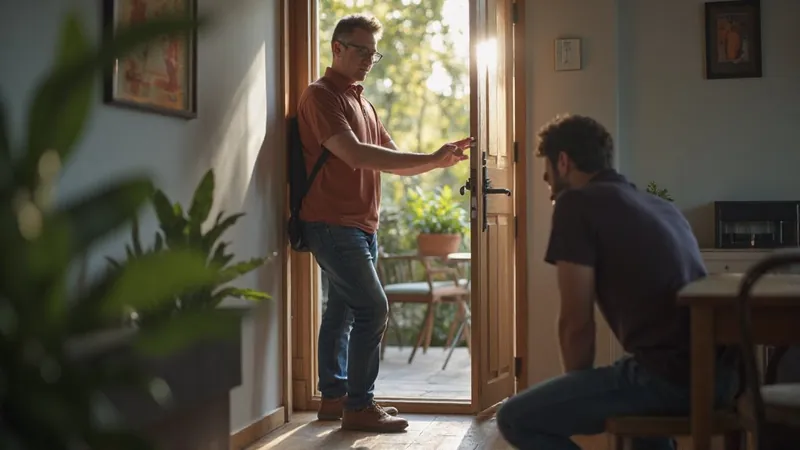
Being locked out of an Airbnb or holiday flat in Germany can be stressful, especially if you don't speak German and aren't familiar with local procedures. The good news: there are practical steps you can take right now, and a certified local locksmith can get you back inside quickly without damaging your booking or deposit.
This guide walks you through what to do immediately, how to contact the host or property manager, and when to call in professional help. Time matters, so knowing your options helps you stay calm and solve the problem fast.
Act Immediately: Check the Obvious and Contact Your Host
Your first move is not to panic—most Airbnb and holiday flat lockouts are resolved within an hour or two. Start by checking whether a door or window is genuinely locked, or whether the key is simply stuck. If you have mobile data, message or call your host or the property manager straight away. Many Airbnb hosts respond within minutes during the day, and many have spare keys or can send the Hausmeister (building caretaker) to let you in.
- Use the Airbnb app's messaging system or your booking confirmation for contact details
- If it's after hours, check whether the listing mentions an emergency contact number
- Be clear and factual: explain that you're locked out and ask what the fastest solution is
- Take a photo of the locked door or key issue—hosts often want evidence before they arrange access
Many property managers have protocol for lockouts and can arrange entry within 30 minutes. This is almost always free for you and doesn't affect your stay or damage deposit.
Understand German Holiday Flat and Airbnb Lock Systems
Holiday flats and Airbnb properties in Germany often use different locking systems depending on age and location. Older buildings (especially in city centres) may have traditional pin tumbler locks, while newer properties sometimes have keypad entry, smart locks, or electronic systems. Understanding what you're dealing with helps you explain the problem clearly to your host or a locksmith.
- Traditional mechanical locks: most common in residential Airbnbs; usually opened with a physical key
- Keypad or code entry: often installed in newer apartments; if you've forgotten the code, ask the host immediately—they should provide it in your check-in instructions
- Smart locks (digital): increasingly common; battery failure or app glitches can lock you out; contact the host to reset or override remotely
- Elevator entry systems: some flats are in buildings where you need a separate key or code just to reach your door—clarify this when you arrive
German building standards (DIN norms) mean locks are generally robust, but they're not designed for forced entry. Don't attempt to pick the lock or force the door yourself; this can damage the property and may incur repair charges against your deposit.
When to Call a Certified Locksmith in Germany
If your host is unresponsive or the Hausmeister isn't available, a certified local locksmith (Schlosser) is your next step. In Germany, locksmiths must be registered and carry identification—always ask to see credentials. The key point: before the locksmith attends, contact your host or property management company and confirm they authorise entry. This protects you legally and ensures the access fee is legitimate.
- Tell the locksmith clearly: you're renting short-term and the owner must approve entry
- Ask the locksmith to explain what they'll do before they start—legitimate locksmiths always do this
- Request a written order form (Auftragsbestätigung) that outlines the work and any costs
- Take photos of the lock before and after to document that no damage occurred
- Ask for a receipt and keep it for your records and to show your host
Professional locksmiths in Germany typically open doors without damage using non-destructive techniques; they understand that holiday rentals must remain intact. Many are accustomed to Airbnb and tourist lockouts and work efficiently.
Insurance and Liability: What You Need to Know
In most cases, a lockout that results in professional entry is not your financial responsibility—especially if you didn't lose or damage the key yourself. However, Airbnb rental agreements and German tenancy norms vary. It's worth understanding where you stand.
- Airbnb policy: in most cases, if the host's lock system failed or you were given faulty keys, the locksmith fee is the host's responsibility. Check your booking confirmation and Airbnb's guest protection terms
- Your travel insurance: some policies cover emergency locksmith fees; check your policy or contact your insurer before paying if the amount is significant
- Hausrat or Haftpflichtversicherung: if you're staying long-term as a resident (not a tourist), your household insurance may cover lockout costs; ask your provider
- If you lost or damaged the key: the host may ask you to cover the locksmith fee; this is reasonable and often covered in the rental agreement
Always keep the locksmith's receipt and a clear explanation of what happened. If the host later disputes the cost, you'll have documentation to reference.
Prevention: How to Avoid Future Lockouts
Once you're back inside, a few simple habits reduce the risk of being locked out again—especially important if you're staying in the same flat for days or weeks.
- Take a photo of the key or keypad code and email it to yourself for safekeeping
- Never leave keys in pockets if you're heading out for a shower or short break
- If the flat has a spare key, ask the host or Hausmeister where it's kept (often in a lockbox or with the building manager)
- Write down the host's phone number and any emergency contact on paper and keep it in your wallet
- For smart locks, ensure your phone is charged and the app is set up correctly before you lock yourself out
If you're staying in an older German building with a temperamental lock, mention it to your host early—they may arrange a rekeying or provide a duplicate key at no cost to prevent future issues.
When to Call Our English-Speaking Hotline for Urgent Help
If you're locked out right now and your host isn't responding, or if you need professional guidance on the next steps, our English-speaking hotline can connect you with a certified local locksmith in your area. We understand the unique challenges of being locked out as an expat or short-term resident in Germany, and our partners work with Airbnb and holiday flat situations every day.
We handle the coordination: we explain your situation to the locksmith, confirm that entry is authorised by your host, and ensure you have a clear record of what happened. You stay in control, pay only for the legitimate work performed, and get on with your stay. Don't spend hours trying to reach your host or guessing which locksmith to trust—call us, and let us match you with someone reliable who speaks English and understands the local system.
Frequently asked
What should I do if my Airbnb host isn't responding?
First, check the listing for an emergency contact number or alternative manager. Send a message through the Airbnb app as well—hosts often respond faster there. If it's outside business hours, wait 15 minutes and try calling. If there's still no response and you need access urgently, contact a certified locksmith and have them ready, but do send the host a message explaining the situation before the locksmith arrives.
Will a locksmith damage the door or lock?
A certified German locksmith uses non-destructive techniques whenever possible—they can open most standard locks without damage. Always ask them to explain their method before they start, and request they use the gentlest approach. Keep the receipt and take photos so you have evidence if the host later questions the entry.
Who pays for the locksmith if I'm locked out?
If the lock system failed or the key was faulty, the host typically covers it. If you lost or damaged the key yourself, you usually pay. Check your rental agreement and Airbnb's terms. Always get a written quote from the locksmith and ask the host to approve it before work begins; this prevents disputes later.
Can I claim the locksmith cost on travel insurance?
Many travel insurance policies include emergency locksmith costs, but not all. Check your policy document or ring your insurer before paying a large fee. Keep the receipt and a written explanation of what happened so you can submit a claim.
What if the flat is in a building with controlled entry?
Some German residential buildings require a code or key to reach the flat door itself. If you're locked out of the building entry, the Hausmeister (caretaker) can usually let you in. Ask the host for the Hausmeister's number in your check-in instructions, or contact the building management. This is often faster and cheaper than calling a locksmith.
How long does it usually take a locksmith to arrive?
In German cities, certified locksmiths typically arrive within 30 to 60 minutes depending on demand and location. During evenings or weekends, waits may be longer. If it's urgent, tell the dispatcher when you call—they prioritize genuine emergencies. Our hotline can help coordinate faster if you let us know your situation.