
Locked In and Can’t Get Out: What to Do
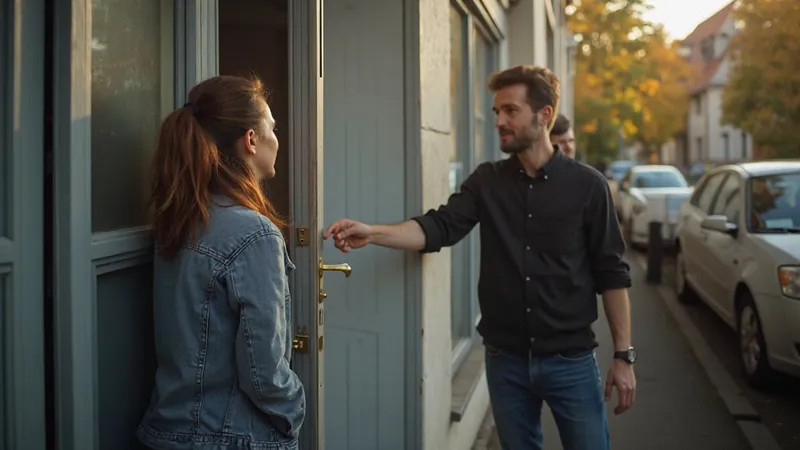
You're standing outside your flat in Berlin, Munich, or Cologne, and your key won't turn. Or you've just realised you left it on the kitchen table. Lockouts happen to everyone—and they're especially stressful when you're new to Germany and don't speak fluent German. The good news: you don't need to panic, and you have practical options.
This guide walks you through what to do when you're locked out, how much it typically costs, what your Vermieter (landlord) might cover, and when to call for professional help. Understanding the German rental system and your rights can save you money, time, and unnecessary stress.
Immediate Steps When You're Locked Out
First, take a breath. Your next move depends on where you are and what caused the lockout.
- Check doors and windows. Is there an unlocked window on the ground floor or a balcony door you can safely access? Never force entry—it can damage your flat and create liability issues with your Vermieter.
- Call a neighbour or friend. If someone else has a spare key, this is the fastest solution. Many expats keep a spare with a trusted colleague nearby.
- Contact your Hausmeister (building superintendent). In many German apartment buildings, the Hausmeister has master keys. Call the building office or check the directory in the entrance hall—they may let you in without extra cost or only a small fee.
- Call your Vermieter. Your landlord or their managing agent sometimes keeps a spare. This can take longer, but it's worth trying.
- Contact your insurance (Hausrat). Some home contents policies cover lockout assistance. Check your policy documents or call your insurer to ask if a locksmith visit is covered. In many cases, insurance will not cover a lockout unless there's evidence of forced entry, but it's worth checking.
When to Call a Professional Locksmith
If none of the above options work—or you need someone immediately—a certified locksmith is your fastest reliable solution. In Germany, locksmiths are legally registered and bound by strict standards. They're insured, use proper methods, and will provide a written receipt and cost explanation on site.
- Speed. A local locksmith can usually arrive within 30 to 60 minutes in urban areas. Rural locations may take longer.
- No damage. A professional picks or manipulates your lock without forcing the door—this protects your deposit and Mietvertrag (rental agreement) from damage claims.
- Documentation. The locksmith provides a written order form (Auftragsbestätigung) with their company details and the work performed. You need this for insurance claims or disputes with your Vermieter.
- English-speaking support. Our hotline connects you to a certified English-speaking locksmith who explains everything clearly before work begins.
The locksmith will not hand you the bill until you see the work completed and the cost is written on the order form on site. This protects both you and them.
Cost and Who Pays
Lockout costs vary depending on the time of day, location, and lock type. A locksmith will explain the full price on a written order form before starting work—you won't be surprised by the bill.
- Normal business hours. Expect lower rates during weekdays, 8am to 5pm.
- After hours or weekends. Emergency call-outs, nights, and Sundays carry higher surcharges—this is standard across Germany and covers the locksmith's availability.
- Your Vermieter's responsibility? In many cases, your landlord or their managing agent covers the cost if the lock is faulty or defective—but only if you didn't cause the damage yourself. If you simply lost your key or forgot it, you usually pay. Always check your Mietvertrag, as some agreements specify who covers lockout costs.
- Insurance. Some Hausrat policies reimburse locksmith costs, but only if there's forced entry or the lock was broken. Check your policy's terms or call your insurer.
Keep the locksmith's receipt and order form. If you later dispute the cost with your Vermieter or claim it on insurance, this document is your proof.
Prevent Future Lockouts
Once you're back inside, a few simple habits can spare you stress and money next time.
- Hide a spare key safely. Give a copy to a trusted neighbour, colleague, or friend living nearby. Store one in a secure lockbox if your lease allows, but never hide it under a doormat or flowerpot.
- Use your phone as a reminder. Set a calendar alert before you leave the house to check you have your keys—sounds basic, but it works.
- Know your Hausmeister's number. Write it down or save it in your phone. The building directory in the entrance hall always lists emergency contact details.
- Photograph your lock type. If you do need a locksmith, being able to describe your lock (cylinder, key card, etc.) speeds up the response.
- Keep your Vermieter's contact details handy. For emergencies, having their number or your managing agent's direct line saves you time looking it up in a panic.
What to Do Right Now if You're Locked Out
You've tried the Hausmeister and your Vermieter isn't answering. You're cold, tired, and need to get in. This is when a certified locksmith becomes your best option. Our English-speaking hotline connects you directly to a local, insured locksmith in your city who understands the situation and speaks your language. They'll arrive promptly, explain the cost upfront, pick your lock professionally, and give you a receipt for your records.
Don't wait—every minute locked out is uncomfortable. Call now and let a certified professional get you back home safely, with no damage and full documentation. It's the practical, legal, and stress-free choice.
Frequently asked
Will a locksmith damage my door or lock?
No. A certified locksmith in Germany uses manipulation or picking techniques that open your lock without forcing the door. Forced entry damages both the lock and frame, creates liability issues with your Vermieter, and may cost much more to repair. Professional methods are faster and cleaner.
What if my Vermieter refuses to pay for the locksmith?
If the lock is broken or defective, most Mietvertrag agreements require your landlord to cover repair costs—but you must prove the lock was faulty, not just that you forgot your key. Keep the locksmith's receipt and photos of the lock. If you simply lost your key, you usually pay. Review your lease or contact a tenant rights organisation (Mieterbund) if you dispute the charge.
How long does a locksmith usually take to arrive?
In German cities, expect 30 to 60 minutes during normal hours. After hours, nights, weekends, and in rural areas, it may take longer. The locksmith will give you an estimated arrival time when you call the hotline.
Do I need to contact the police if I'm locked out?
No. A lockout is not a police matter unless your flat has been broken into or there's evidence of a crime. A locksmith is the correct professional to call.
Will my Hausrat insurance cover a lockout?
Often not—most policies only reimburse locksmith costs if there's forced entry or the lock is broken. Check your policy documents or call your insurer to confirm before paying the locksmith yourself.
What should I do with the locksmith's receipt?
Keep it safely with your rental documents. If you claim the cost on insurance or dispute it with your Vermieter, the receipt and order form prove what was done and when. It's also your proof of payment.