
The Key Won’t Turn in the Lock: Causes & Fixes
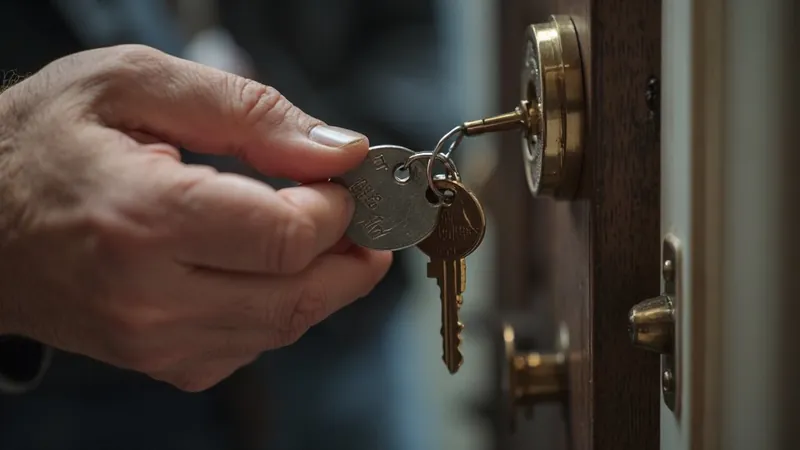
A key that won't turn in your lock is frustrating—especially when you're in a hurry or it's late at night. Whether you're renting an apartment (Mietwohnung) in Berlin, Munich, or anywhere else in Germany, this problem can happen to anyone, and there are several reasons why. Some fixes you can try yourself; others need a certified locksmith.
This guide explains what causes a stuck key, what you can safely do about it, and when to call in a professional. If you're an expat or international student without German language skills, our English-speaking hotline can connect you with a trusted local locksmith who'll explain everything clearly.
Why Your Key Won't Turn: Common Causes
Understanding the root cause helps you decide whether this is a DIY fix or a job for a locksmith.
- Dirt, dust, or debris inside the lock cylinder. German homes can accumulate dust, especially in older buildings. Over time, particles lodge inside and jam the mechanism.
- Rust or corrosion. If your lock hasn't been used in months, or if moisture has entered it, internal components can rust slightly and resist turning.
- A broken or worn key. Keys wear down from repeated use. The teeth may have flattened or the key may have a hairline crack you can't see.
- Misaligned or damaged lock cylinder. Impact, rough handling, or a failed break-in attempt can bend internal pins or shift the cylinder itself.
- Wrong key or shallow cut. Sometimes a key looks right but wasn't cut correctly, or you've accidentally grabbed a similar-looking key that doesn't quite fit.
- Lock freeze in winter. Moisture inside older locks can freeze in cold German winters, especially in unheated entrance areas (Hausflur).
Simple Things You Can Try First
Before calling a locksmith, try these safe, non-invasive steps. Stop immediately if you feel strong resistance—forcing a stuck key can break it off inside the lock.
- Check you're using the right key. Confirm it's the correct one. Many apartment keys in Germany look similar; a wrong key won't turn even if it fits partway.
- Wiggle gently and apply steady pressure. Don't yank. Turn slowly, wiggle the key side to side, and apply firm but patient pressure. Sometimes a key just needs coaxing.
- Lubricate with graphite powder. Graphite (not oil or WD-40) is the professional choice for locks in Germany. Squirt a small amount into the keyhole, work the key in and out gently a few times, and try turning. Oil attracts dirt and can make things worse.
- Try the key in reverse. Insert it fully, turn it backward slightly, then forward again. This can help reset stuck pins.
- Clean the keyhole. Use a dry cloth or soft brush to remove visible dust from the keyhole opening.
If none of these work within a minute or two, stop and contact a locksmith. Continued forcing can damage the lock permanently or snap the key inside.
When You Need a Locksmith
Certain situations require professional help. A certified locksmith (Schlüsseldienst) has the tools, training, and spare parts to solve lock problems safely.
- The key snaps or breaks inside the lock. You cannot remove it yourself without specialist equipment. A locksmith can extract the broken piece and repair or replace the lock if needed.
- The lock cylinder is physically damaged. If you suspect a break-in attempt or if the cylinder is visibly bent or cracked, replacement is often necessary.
- Graphite and gentle wiggling don't work. Internal wear, corrosion, or pin damage usually requires disassembly or replacement by a professional.
- You've locked yourself out. A locksmith can open the door without damaging it (in most cases). This is common in German rental apartments when a key is lost or forgotten.
- Your Vermieter (landlord) needs to be involved. In many cases, if you're renting, the landlord is responsible for lock repairs. A locksmith can advise on this and provide documentation.
Renting in Germany: Landlord Responsibility
If you're renting an apartment or house (Mietvertrag), responsibility for lock repairs often depends on the cause and your lease terms.
- Normal wear and tear. In many cases, the Vermieter must pay for repairs to the lock if it fails through age or everyday use. Check your contract (Mietvertrag) or ask your landlord in writing (per email is fine).
- Damage you caused. If you broke the key through careless use or damaged the lock yourself, you may be liable.
- Lost keys. If you lost your key, the landlord may cover recutting the original key, but replacing the entire lock can be your cost. Again, check your Mietvertrag.
- Emergency access. If you're locked out and your landlord is unavailable, you may need to pay a locksmith out of pocket, then request reimbursement or deduction from rent. Keep all receipts and invoices.
It's always wise to document communication with your Vermieter, especially for costs. A locksmith can issue an invoice (Rechnung) that clarifies what was done, which helps if you need to claim insurance or settle responsibility.
Prevention & Long-Term Care
A little maintenance keeps your lock working smoothly and saves you from future frustration and expense.
- Use graphite powder every 12 months. Even if the key turns easily, a light spray of graphite keeps internal mechanisms free from dust and rust.
- Keep your key clean and dry. Moisture and dirt on the key can deposit debris inside the lock. Wipe it dry before use, especially in damp weather.
- Don't force a stiff key. If turning the key feels harder than normal, lubricate immediately rather than waiting for it to jam completely.
- Protect your spare key. Store it securely—not under a doormat or flowerpot. In Germany, many expats leave a spare with a trusted neighbor or friend (not on the premises).
- Check your Hausrat insurance. If you're locked out and need emergency access, some Hausrat (household contents) insurance policies cover locksmith costs. Check your policy or ask your insurer.
If you notice your lock sticking repeatedly, don't ignore it. A locksmith can inspect it for wear or damage before it fails completely, often at less cost than an emergency call later.
If your key still won't turn and you've tried the basic fixes, don't waste more time struggling. Our English-speaking hotline connects you with a certified local locksmith in your area who understands the German rental system, speaks English, and can help you quickly—whether you need the lock opened, repaired, or replaced. Call us now for peace of mind.
Frequently asked
Can I use WD-40 or oil to lubricate my lock?
No. Oil attracts dust and can make the problem worse over time. Use graphite powder instead—it's dry, safe for locks, and standard in Germany. You can buy it at most hardware stores (Baumarkt) or online.
What if the key snaps in the lock?
Stop immediately. Do not try to remove it yourself. A locksmith has specialized tools to extract the broken piece without damaging the lock further. Call a professional; attempting DIY removal often makes things worse.
Am I liable for locksmith costs if I'm renting?
It depends on the cause and your lease. Normal wear or defects are often the landlord's responsibility; damage you caused or lost keys may be yours. Check your Mietvertrag and contact your Vermieter in writing. Keep all receipts if you pay upfront.
How do I prevent my lock from jamming in winter?
Cold can freeze moisture inside locks, especially in unheated entrance halls. Lubricate with graphite in autumn, and use your key gently and slowly in freezing weather. Avoid forcing it if resistance increases.
Is there a difference between German locks and locks in other countries?
German locks often use pin-tumbler mechanisms similar to those elsewhere, but some older European locks have slightly different designs. A local locksmith knows what's typical for your building and can advise on upgrades or repairs.
What should I ask the locksmith when they arrive?
Ask whether the lock can be repaired or must be replaced, what the issue was, whether the Vermieter should cover costs, and request a written invoice (Rechnung). If language is a barrier, our hotline connects you with English-speaking locksmiths who explain everything clearly.