
A Key Stuck in the Lock: How to Free It
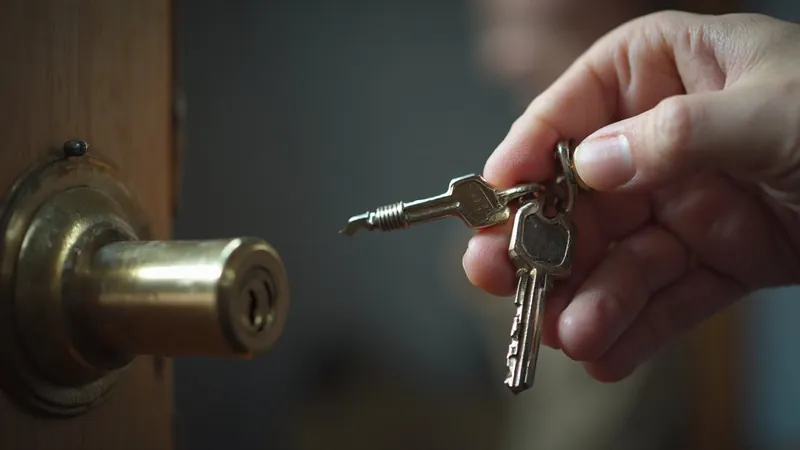
A key stuck in your lock is frustrating—especially when you're in a hurry or it happens outside your flat on a cold Berlin evening. The good news is that most stuck keys can be freed without damaging your lock, and you don't need to panic or force it. This guide walks you through what you can safely try yourself, and when to call a certified locksmith.
Whether your key is jammed in your apartment door, your mailbox, or your bike lock, understanding the common causes and safe removal techniques will save you time and money. If you're renting in Germany, it's also worth knowing what your landlord (Vermieter) is responsible for and what falls on you.
Why Keys Get Stuck: Common Causes
A key can jam in a lock for several reasons. Dirt, dust, or debris inside the cylinder is the most common culprit—German flats, especially older ones, can accumulate grit over time. Worn keys or worn locks also cause sticking, particularly if the lock hasn't been serviced in years. Rust or corrosion from moisture is another factor, especially in bathrooms or on exterior doors exposed to weather. Sometimes the key itself is slightly bent or manufactured with a fault, making it catch as it turns.
Cold weather can also play a role: metal contracts in winter, and if there's any internal friction, the key may become harder to remove.
- Dirt or debris inside the cylinder
- Worn or bent keys
- Worn or corroded locks
- Humidity or rust buildup
- Misalignment of internal pins
- Manufacturing defects in the key
Safe Steps to Free a Stuck Key Yourself
Before you call for help, try these gentle, non-destructive methods. The key rule: never force the key or turn it with excessive pressure, as this can break the key, damage the lock, or both.
- Graphite powder or pencil: Rub a soft pencil (2B or softer) along both sides of the key, then gently insert it again. The graphite lubricates the lock without attracting dirt like oil does. Graphite is the locksmith's preferred option in Germany.
- Silicone spray: A light spray of silicone lubricant into the keyhole can help—use it sparingly and wipe excess away with a dry cloth. This won't damage the lock mechanism.
- Gentle wiggling: With the key inserted, wiggle it very gently side to side while applying minimal turning pressure. Sometimes the pins catch slightly and a gentle motion frees them.
- Hairdryer on low heat: On an exterior or metal lock affected by cold, gentle warmth can help metal expand back to normal. Use it for 20–30 seconds, then try the key again.
- Tapping the lock body: Tap the lock housing gently (not the key handle) with a small hammer or the heel of your shoe. This can sometimes settle stuck pins, though use restraint.
After each attempt, wait a few seconds and try again. Patience works better than force.
When Not to Try Removal Yourself
Stop attempting removal if the key breaks, or if you feel serious resistance—forcing a jammed key can snap the shaft inside the lock, making professional removal much harder. If the key is badly bent, visibly corroded, or you're renting and unsure of your responsibility, don't take risks. Similarly, if the lock is part of your rental agreement and your Vermieter (landlord) is responsible for maintenance, inform them first rather than damage it further.
If you've tried graphite and gentle wiggling for more than a couple of minutes without progress, it's time to call a certified locksmith. They have extraction tools and experience that will free the key cleanly, and they can inspect the lock to prevent it happening again. Attempting further DIY extraction risks breaking the key inside the lock, which then requires drilling out the cylinder—a more expensive repair.
What a Locksmith Will Do
A certified local locksmith has professional tools and techniques to extract a stuck key without damaging the lock. They may use a special extraction pick, apply penetrating lubricant designed for locks, apply heat more systematically, or gently manipulate the lock mechanism. In most cases, extraction takes minutes.
After removal, the locksmith can diagnose why the key stuck—whether the lock is worn, the key is bent, or there's internal corrosion. If the lock is damaged or unsafe, they'll advise you on repair or replacement. If you're renting, they can also provide documentation (a receipt and report) for your Vermieter or your Hausratversicherung (household contents insurance), which sometimes covers accidental lock damage.
The locksmith will explain any work or costs on a written order form on site, so you know exactly what you're paying for. If you're in a rush or uncomfortable with the language, our English-speaking hotline connects you with a certified local locksmith who can attend quickly and handle the situation for you.
Prevention: Keeping Your Keys and Locks Healthy
A little maintenance prevents stuck keys. Keep your locks clean and dry—dust out the keyhole occasionally with a small brush or compressed air. If you live in a humid climate or near the coast, check locks on exterior doors for rust. Use a graphite-based lubricant once or twice a year on frequently used locks, especially if they're stiff. Avoid WD-40 or oil-based products, as these attract dirt over time.
If you notice your key is becoming bent or hard to turn, have it checked by a locksmith before it jams completely. A worn key or lock caught early is cheaper to fix than an extraction job. And if you're renting, inform your Vermieter promptly if a lock is stiff or showing signs of wear—maintenance is often their responsibility under German tenancy law (Mietvertrag), and you don't want to be liable for damage caused by neglect.
If you're currently facing a stuck key and gentle methods haven't worked, don't waste more time—a certified local locksmith can resolve it in minutes. Call our English-speaking hotline, explain the situation, and we'll connect you with a reliable professional who understands international residents' needs and can get you back inside quickly and safely.
Frequently asked
Is it safe to use oil or WD-40 to free a stuck key?
No. Oil and WD-40 attract dust and dirt over time, making the problem worse. Graphite powder or silicone spray are much better choices. If you must use a lubricant, wipe away excess immediately.
My key broke inside the lock while I was trying to remove it. What now?
Don't try to dig it out yourself—you'll damage the lock further. Call a locksmith immediately. They have extraction tools and can remove the broken piece without destroying the cylinder. This is urgent because you can't use the lock until it's cleared.
If I'm renting and the lock jams, is my Vermieter responsible for fixing it?
In most cases, yes—lock maintenance and repair is the landlord's responsibility under German tenancy law. Inform your Vermieter in writing and ask them to arrange a repair. Keep any receipts from a locksmith's visit in case of disputes.
Can a stuck key damage my lock permanently?
Forced removal can, but gentle extraction usually doesn't. A certified locksmith uses techniques that free the key safely. However, if the underlying cause (wear, rust, dirt) isn't addressed, the lock may jam again.
How long does a locksmith take to remove a stuck key?
Usually a few minutes. Response time to your location depends on availability, but most locksmiths in German cities can attend within 30–60 minutes. Call ahead if you're locked out and need urgent help.
Should I try to remove a stuck key from my front door myself, or call a locksmith right away?
Try graphite and gentle wiggling for a minute or two. If that doesn't work, call a locksmith—don't force it. Forcing risks breaking the key or the lock, and a professional can solve it cleanly. If you're locked out or in a hurry, call sooner.