
A Key Snapped Off in the Lock
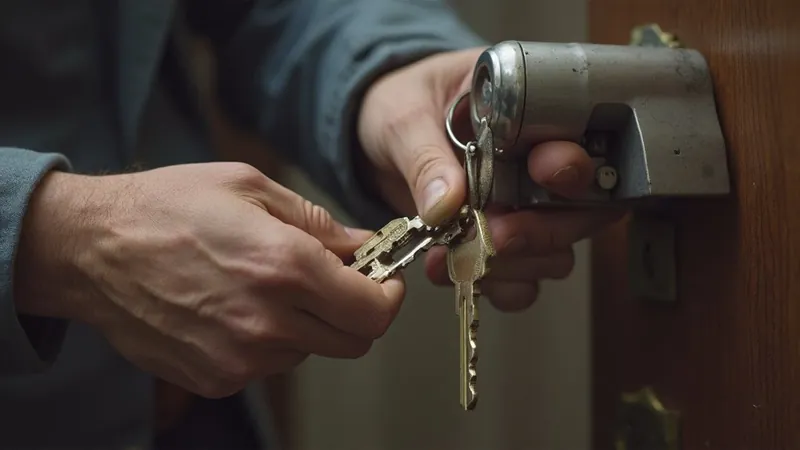
A snapped key inside your lock is one of the most stressful locksmith problems you can face—especially when you're trying to get into your flat or office on a cold morning. The good news: it's a common situation in Germany, and a certified local locksmith can extract the broken piece and get you inside safely, usually without damaging the lock itself.
This guide explains what happens when a key breaks, why it occurs, what you should do immediately, and how to prevent it in the future. If you're locked out right now with a snapped key, you don't need to read further—call our English-speaking hotline and we'll connect you to a locksmith who can help within the hour.
Why Keys Snap Inside Locks
Key breakage is rarely random. In most cases, one of these factors is at work:
- Worn or poorly cut keys. If your key has been copied many times, or cut from a worn blank, the metal becomes brittle and prone to fracturing under normal pressure.
- Excessive force. Turning a key too hard, jiggling it aggressively, or applying sideways pressure can snap it at the weakest point—usually near the bow (the round grip end).
- Lock mechanism resistance. A stiff lock, a misaligned cylinder, or internal binding means your key has to work harder. In older German flats, locks can become stiff after years of use or poor maintenance.
- Key design faults. Thin keys, keys with sharp angles, or keys made from low-grade metal are more vulnerable to snapping.
- Freezing temperatures. Winter in Germany can make metal brittle. If your lock hasn't been lubricated and the key is already weakened, cold can be the final trigger.
The fragment left inside the lock is almost always the thin part near the shaft, while the bow (handle) usually falls to the ground where you can see it.
Immediate Actions After Your Key Snaps
Stay calm. You have options, and you're not locked out forever.
- Don't force the broken fragment. Trying to pull it out with tweezers, pliers, or another key will almost certainly push it deeper, damage the lock pins, and make the locksmith's job harder and more expensive.
- Don't apply lubricant. Oil, WD-40, or graphite powder can jam the broken piece further and make extraction impossible without replacing the entire cylinder.
- Leave the key piece where it is. A professional locksmith has the right tools—extractors, picks, and fine-tipped instruments—to remove it safely.
- Take a photo of the key bow (the part still in your hand). The locksmith may need to understand the key's shape and size.
- Call a certified locksmith immediately. The sooner you get professional help, the sooner you're inside. German locksmiths are trained in key extraction and can often remove the fragment without damaging the lock cylinder.
If this is a rental flat (Mietwohnung), you should also inform your landlord (Vermieter) or building manager (Hausmeister) about the situation. Many tenancy contracts require you to notify them of lock issues.
How a Locksmith Extracts a Broken Key
A certified local locksmith won't simply drill out your lock and charge you for a replacement. Professional key extraction follows a careful process:
- Visual inspection. The locksmith examines how deep the fragment sits and its orientation inside the cylinder.
- Specialist extraction tools. Using fine extractors, picks, or small hooks, they carefully grip or dislodge the broken piece without forcing it further.
- Gentle manipulation. By turning the lock cylinder slightly and working the fragment millimetre by millimetre, they create space to remove it whole.
- Lock testing. Once the piece is out, the locksmith checks that the cylinder still works smoothly and your other keys fit correctly.
- Lock lubrication (optional). They may apply a dry lubricant (like graphite powder) to prevent future sticking and snapping.
Most extractions take 15–30 minutes. The lock itself survives undamaged. If the fragment is too far in or the lock is very old and brittle, the locksmith will discuss your options—which might include cylinder replacement—and explain the situation in English before proceeding.
Preventing Future Key Breakage
Once your locksmith has extracted the broken piece, take steps to avoid this happening again:
- Have a fresh key cut. Instead of relying on an old or worn copy, get a new key cut from the original or master key held by your landlord or building manager. In Germany, many flats come with copies registered at the Hausmeister's office.
- Use light, even pressure. Turn the key smoothly and steadily. If it feels stiff or sticky, stop and don't force it—this signals that the lock needs attention.
- Lubricate your lock regularly. A certified locksmith can apply a dry lubricant (graphite, not oil) to keep the mechanism smooth. This is especially important in winter or in older German buildings where locks can corrode.
- Carry a spare key separately. Keep one key in your desk or bag at work, and another with a trusted friend nearby. This way, if one breaks, you have a backup.
- Check your lock for wear. If your lock feels resistant, stiff, or you have to wiggle the key to get it in, have a locksmith inspect it before it breaks.
- Replace very old locks. If your flat is in a historic Berlin or Munich building and the lock hasn't been updated in decades, consider asking your landlord about a modern, smoother-operating cylinder. This is often a mutual benefit.
What This Costs & Next Steps
The cost of key extraction depends on how difficult it is to remove the fragment and whether the lock can be salvaged. A locksmith will assess the job on site, explain what they can do, and provide a written cost breakdown before they start any work. You'll see the full amount on an order form—no hidden surprises.
If you're renting, check whether your Mietvertrag (tenancy contract) assigns responsibility for lock repairs to you or your landlord. In many cases, lockout costs are shared or covered by the landlord's insurance (Haftpflicht). Keep your receipt in case you need to claim reimbursement.
If this is urgent and you're locked out of your flat, office, or storage unit right now, don't waste time. Our English-speaking hotline connects you with a certified local locksmith who understands the German rental system and can extract your broken key quickly and professionally. Call us—we're here to help.
Frequently asked
Can I try to pull the broken key out myself?
No. Attempting to extract it with tweezers, pliers, or another key will push the fragment deeper into the lock and damage the pins inside, making professional extraction much harder. Leave it alone and call a locksmith immediately.
Will the locksmith have to drill out my lock?
Not usually. A professional locksmith has extraction tools designed to remove broken keys without damaging the lock cylinder. Drilling is a last resort only if the fragment is too far in or the lock is too old to save.
How long does key extraction take?
Most jobs take 15–30 minutes. The locksmith will assess it on site and give you a realistic timeframe. Complex cases may take longer, but they'll explain the situation before starting work.
Who pays for the locksmith if I'm renting?
It depends on your Mietvertrag and landlord. In many cases, the landlord's Haftpflicht (liability insurance) covers accidental lock damage. Keep your receipt and contact your landlord or building manager to discuss reimbursement.
Is it normal for keys to snap in German locks?
It's not common, but it does happen, especially with worn keys or stiff old locks. German flats often have older cylinder locks that need occasional lubrication. A locksmith can inspect yours and recommend preventative maintenance.
What should I do if the broken piece fell deeper when I tried to remove it?
Don't panic. Stop attempting to move it and call a locksmith immediately. Even if the fragment is deeper now, professionals can still extract it—it just requires more skill and care. Tell the locksmith you tried to remove it so they know what they're dealing with.