
A Jammed or Stiff Lock: Causes & Care
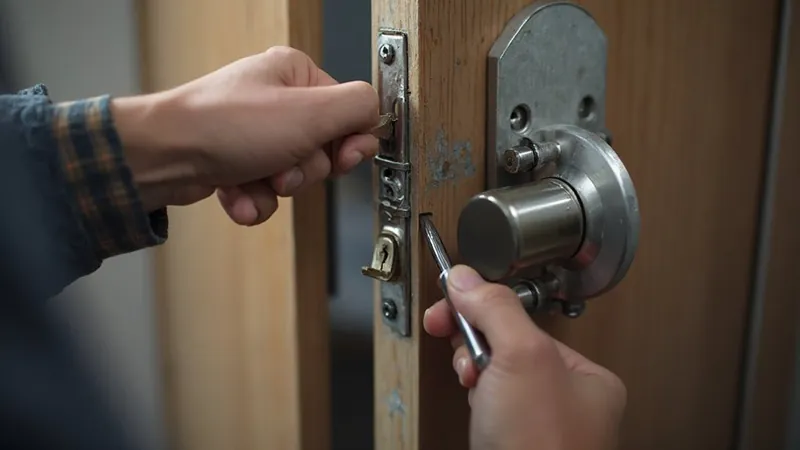
A stiff or jammed lock is one of the most common problems expats face in German rental accommodation. Whether your apartment door, window, or mailbox lock feels sticky, won't turn smoothly, or gets stuck halfway, the cause is usually straightforward—and often preventable. Understanding what causes it and how to care for your locks can save you frustration, money, and the risk of damaging the lock further.
This guide walks you through the most frequent causes, how to safely maintain your locks, and when to call a professional locksmith before a minor issue becomes an expensive repair.
Why Locks Get Stiff or Jammed
German apartments, especially older ones common in Berlin, Hamburg, and Munich, often have robust pin-tumbler locks (Zylinderschlösser) that can last decades. But they need care. The most common reasons your lock feels stiff:
- Dirt and dust buildup. Your lock mechanism collects debris from daily use, especially if the key is pulled out carelessly or if you live near a construction site or busy street.
- Rust or corrosion. High humidity, coastal areas, or old metal keys and cylinders oxidize over time. This is particularly common in German basements and older rental buildings.
- Dry lock mechanism. Unlike door hinges, locks need regular lubrication. German rental properties are not always maintained to this standard.
- Worn key. If your key is bent, scratched, or poorly copied, it can catch inside the cylinder and cause jamming.
- Misaligned door frame. Settling in older German buildings or swollen door frames from humidity can push the lock slightly out of alignment, making the key harder to turn.
- Broken internal pins. Forcing a stiff lock or using excessive pressure can snap the tiny pins inside, permanently jamming the lock.
Safe Steps to Free a Stiff Lock Yourself
Before you call a locksmith, try these gentle, non-damaging techniques. Take your time—forcing the issue is the quickest way to break the lock permanently.
- Wiggle the key gently. Turn it slowly in both directions without applying heavy pressure. Sometimes this shifts internal debris.
- Use graphite powder (not oil). Spray a small amount of graphite-based lock lubricant into the keyhole. Never use general-purpose oil or WD-40 on a lock cylinder—oil attracts dust and makes the problem worse. Most German hardware stores (Baumarkt) stock graphite spray specifically for locks.
- Work the key in and out slowly. After applying graphite, gently insert and withdraw the key 10–15 times without turning it. This distributes the lubricant.
- Check for debris around the keyhole. Use a torch to peer into the keyhole. If you see visible dirt or rust particles, a compressed air duster can help dislodge them.
- Warm the lock slightly. On very cold days, metal contracts; a warm (not hot) cloth held against the lock for 30 seconds can help. Never use a heat gun or direct flame.
- Try your spare key. If you have one, test it. A worn key is often the culprit, not the lock itself.
If none of these work after 2–3 attempts, stop. Forcing a stiff lock now will almost certainly cause internal damage that requires replacement.
Lock Maintenance: Prevent Future Problems
German rental agreements (Mietvertrag) usually specify that tenants must maintain keys and locks in working order, though your landlord (Vermieter) is responsible for major repairs. Regular light maintenance is your responsibility and is genuinely easier than dealing with a broken lock.
- Lubricate once a year. Apply a small amount of graphite powder lubricant annually, especially before winter. This keeps the mechanism smooth and prevents rust.
- Handle keys gently. Don't twist or bend the key forcefully, and never pull the key out at an angle. This wears both the key and the internal pins unevenly.
- Keep the keyhole clear. Don't let dirt accumulate around the lock. A quick wipe with a dry cloth during your regular cleaning helps.
- Check your door frame alignment. If your door frame has shifted (common in older Berlin or Hamburg buildings), the lock cylinder may sit slightly misaligned. A locksmith can adjust this before it worsens.
- Use your spare key occasionally. If you have a spare, use it every few months. This reveals if one key is wearing out before the other becomes unusable.
When to Call a Professional Locksmith
Some lock problems are beyond gentle care, and forcing them risks breaking the cylinder and leaving you locked out. Call a certified local locksmith (Schlüsseldienst) if:
- The key turns but won't reach the full locked or unlocked position.
- The lock makes grinding sounds when you turn the key.
- The key is stuck inside and won't come out.
- Graphite lubricant and gentle turning don't improve the situation after 48 hours.
- Your key snapped inside the lock (a locksmith can extract it safely).
- The lock cylinder is visibly rusted or corroded, especially in a basement apartment or older building.
- You suspect internal pin damage or want to rule out a worn key before replacing the whole lock.
A locksmith can also replace just the cylinder (Zylinder) if it's damaged, rather than the entire lock mechanism—often a more affordable option. In rental apartments, always inform your Vermieter before any lock work begins, as it affects your security deposit and the property record.
If you're facing a stiff lock that won't budge and your attempts at gentle care haven't worked, don't risk further damage. Our English-speaking hotline connects you with a certified local locksmith who understands the German rental system, can diagnose the issue quickly, and explain what needs to be done—all in clear English.
Frequently asked
Is my landlord responsible for fixing a jammed lock in my German rental apartment?
In most cases, yes—lock repairs are a landlord's responsibility under German tenancy law, as they affect your apartment's security. However, if the damage is due to misuse or neglect on your part, you may be charged. Check your Mietvertrag for specifics, and always notify your Vermieter in writing before arranging repairs.
Can I use WD-40 or normal oil to lubricate my lock?
No. General oils and WD-40 attract dust and dirt, which makes the problem worse over time. Always use graphite powder lubricant, which is specifically designed for locks and available at any German Baumarkt or hardware store.
What should I do if my key breaks inside the lock?
Stop turning immediately and do not try to extract it yourself—you risk pushing fragments deeper into the cylinder. A locksmith can safely remove the broken key and repair or replace the cylinder, usually in under an hour.
How often should I have my locks serviced professionally?
Most German apartment locks need professional servicing only if they become stiff or show signs of rust. Preventive graphite lubrication once a year is usually sufficient for smooth operation.
My apartment has an old lock and the key sticks. Is it cheaper to fix or replace the lock?
Often, replacing just the cylinder (Zylinder) is cheaper than replacing the entire lock. A locksmith can diagnose whether the problem is fixable or if a new cylinder is needed. Costs depend on the lock type and your landlord's insurance coverage, so ask for a written estimate first.
Does German renters' insurance (Hausratversicherung) cover lock repairs?
In many cases, no—lock repairs are typically the landlord's expense. However, some policies cover lockout costs if you're locked out due to lock failure. Check your insurance documents or ask your provider what your Hausratversicherung includes.