
A Jammed Bike Lock or Lost Bike Key
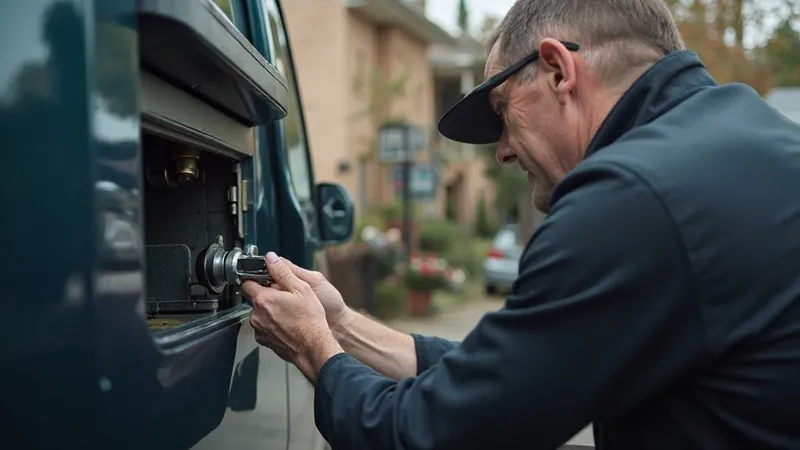
You're ready to cycle to work, the shops, or across town—and your bike won't unlock. Whether the key is lost, the lock is jammed, or you can't remember where you left it, you're stuck. Bike theft is common in German cities, so a good lock is essential; but when it stops cooperating, you need to act fast without damaging the frame or wheel.
This guide walks you through what to do when your bike lock fails, how to get professional help, and what to expect from a certified locksmith in Germany. Most importantly, you don't have to cut the lock yourself or abandon your bike on the street.
Why Bike Locks Jam and Keys Go Missing
Bike locks jam for practical reasons. Dirt, salt from winter roads, rust, or debris can build up inside the cylinder. If you've locked your bike in wet weather or near the sea, oxidation happens faster. Mechanical wear over months or years also makes the lock stiffer and less responsive.
Lost keys are equally common when you live in a new city. Keys fall out of pockets, are left in coat pockets that get donated or cleaned, or simply vanish during a house move. In Germany, where many people rent flats (Wohnung) and share communal bike storage areas (Fahrradkeller), keys can disappear in shared spaces. You may also have inherited a lock from a previous tenant whose key documentation is long gone.
The longer a lock sits unused, the more likely moisture will cause internal damage. German winter temperatures and humidity mean that a neglected lock can become genuinely stuck within weeks.
What You Can Try Before Calling a Locksmith
If you have time and the lock isn't too seized, a few safe steps might help:
- Spray lubricant. WD-40 or a similar product can ease a jammed cylinder. Spray into the keyhole, work the key gently back and forth (do not force it), and wait 10 minutes. Repeat if needed. This works best for light jamming, not rust or mechanical failure.
- Graphite powder. Some locksmiths recommend powdered graphite (often sold for locks) rather than oil-based sprays, especially in older or precision locks. Apply sparingly and work the key gently.
- Gentle turning. If the key is stuck, do not jiggle violently. Steady, gentle pressure—while applying lubricant—is safer. Forcing can snap the key inside the lock, making professional removal harder and more expensive.
- Heat (with care). In cold weather, a lock can be stiff. Wrapping a hot water bottle around it for a few minutes may help. Never use a blowtorch or direct flame on a bike lock; it can damage the frame.
If none of these steps work within 20 minutes, stop and contact a professional. A certified locksmith has tools and experience to open or remove the lock safely without harming your bike.
Getting a Locksmith to Remove or Open the Lock
When you call our English-speaking hotline, we connect you with a certified local locksmith who handles bike locks regularly. They will ask a few quick questions: Is the lock still on your bike? Do you have any keys or documentation? Is your bike stationary (parked) or do you need to move it first?
A certified locksmith in Germany (often trained and insured under strict professional standards) will usually:
- Attend at your location, whether that's your home, a communal bike storage area (Fahrradkeller), your workplace, or a public street. Many bike locks are on shared property, and locksmiths are used to working in these settings.
- Assess the lock type and the extent of jamming or damage. They may try to open it with the correct key, a key blank, or picking tools if you have lost the original.
- Remove the lock safely if it cannot be opened—using bolt cutters, drilling, or angle grinders depending on the lock type and your bike's position. They work carefully to avoid scratching your frame or wheel.
- Provide a written order form (Leistungsbestellung) on site, itemising the work and cost before they proceed. This is standard practice in Germany and protects both you and the locksmith.
Most calls are resolved within 30 minutes to an hour from first contact.
Insurance and Responsibility in Germany
If your flat or house is rented (Mietvertrag), check your tenancy contract and contents insurance policy (Hausratversicherung). In many cases, bike locks and the bike itself are covered under household contents insurance, but only if theft or damage meets certain conditions. Your landlord (Vermieter) is usually not responsible for broken locks on your personal bike unless the lock was defective when you moved in due to their negligence.
If your bike is damaged during lock removal—for example, if the frame is scratched—document it with photos. The locksmith's written order form will show exactly what was done. If the damage was caused by a defect in the lock itself (not by the locksmith's method), you may have a claim against the lock manufacturer or seller, though this is rarely pursued for small cosmetic damage.
Keep receipts from the locksmith visit for your insurance records. In Germany, insurance companies often ask for proof of the service call and the cost when processing claims.
Preventing Future Lock Problems
Once your current lock is dealt with, think about prevention. High-quality locks are worth the investment in German cities where bike theft rates are high. U-locks and chain locks with hardened steel are harder to jam and more resistant to rust. Cheaper cable locks often fail faster and offer less security.
Store your spare key in a safe place at home—not with your everyday keys or in your bag. Write down the lock model and serial number, and keep it in your documents. If you move flats or share a bike space, hand over keys and documentation properly to new users; lost keys from previous residents cause many of these situations.
During winter, wipe your bike down after wet rides, and store it somewhere dry if possible. Even a communal Fahrradkeller (bike storage room) is better than a street lock in constant rain and salt. After winter, apply a light penetrating lubricant to your lock—this prevents seized cylinders when you need the bike most.
If you're in a rush and face a jammed lock in the morning, don't panic and don't force it. A quick call to our English-speaking hotline will connect you with a local certified locksmith who can resolve it fast and safely, keeping you and your bike protected. We're here to help when your lock won't cooperate.
Frequently asked
How long does it take for a locksmith to remove a jammed bike lock?
A certified locksmith usually completes the job within 30 to 60 minutes of arrival on site, depending on the lock type, location, and whether they can open it or need to remove it. Simpler cases (light jamming, accessible location) may be faster; stubborn locks or bikes in tight storage spaces may take longer.
Can a locksmith open my bike lock without damaging it?
Yes, if the lock mechanism is only jammed or stuck. A locksmith may open it using the correct key, a key blank, or picking techniques. If the lock is rusted solid or the mechanism is broken, removal (cutting) is the only option, and the lock cannot be reused.
What if my bike is in a locked communal storage area (Fahrradkeller)?
Contact your landlord (Vermieter) or building manager (Hausmeister) first to explain the situation and get access if needed. You can then arrange for the locksmith to meet you there. The Hausmeister or Vermieter often has a key to the Fahrradkeller itself, which speeds things up.
Does my renter's insurance (Hausratversicherung) cover a broken bike lock?
This varies by policy. Many German Hausratversicherung policies cover the bike itself against theft and some cover locking devices, but terms differ. Check your policy documents or contact your insurer—your lock damage may not be covered, but it's worth asking.
What should I do if my bike key broke inside the lock?
Do not try to extract it yourself; you risk pushing the fragment deeper or scratching the lock cylinder. Call a locksmith immediately. They have specialist tools to remove broken key pieces and can often still open the lock.
Is it legal for me to cut my own bike lock if I've lost the key?
Yes, you can cut your own lock if you own the bike and the lock. However, if the lock is part of your rented property or shared storage, check your Mietvertrag first. Using a locksmith is safer, faster, and protects your bike from accidental damage.