
How Many Spare Keys Should You Have?
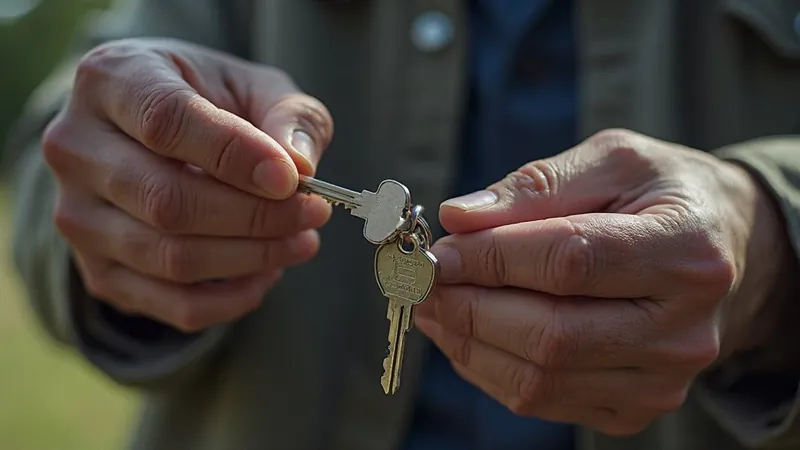
Living in Germany as an international resident means managing your keys carefully—whether you're renting an apartment in Berlin, working in Munich, or settling elsewhere. Having the right number of spare keys isn't just convenient; it's practical security planning. You'll want enough backups to avoid lockouts and emergencies, but not so many that you lose track of them or create unnecessary security risks.
This guide explains how many spare keys make sense for your situation in Germany, and what to consider when deciding where to keep them and when to cut replacements.
Why Spare Keys Matter When You're Not German
As a non-German resident, you may not know local locksmith numbers by heart, and calling emergency services for a lockout can be expensive and time-consuming—especially if the Hausmeister (building manager) isn't available. Having spare keys in safe, accessible locations means you can solve the problem quickly, often without professional help.
In many German rental contracts, the tenant (Mieter) is responsible for lost or forgotten keys, and a locksmith callout for a lockout can cost more than a handful of spare keys cut in advance. Additionally, if you're managing a shared flat or have a partner, roommates, or family members visiting, having adequate spares means you're not scrambling at 10 p.m. when someone arrives and you're at work.
Spare keys also protect you if your main keys are damaged, worn out, or stolen. Worn keys sometimes jam in locks, particularly in older German properties, and having a fresh spare ready is far better than getting stuck outside your front door.
How Many Spare Keys to Keep
There's no single answer, but here's a practical framework for most people living in Germany:
- Minimum: two spare keys per lock. One to keep at home in a secure place (like a lockbox, not under the doormat), and one to leave with a trusted person nearby—a close friend, colleague, or partner.
- For rental apartments: consider three copies. One at home, one with a trusted contact, and one in a secure location away from your flat entirely (like a workplace locker or safe-deposit box at a German bank). Rental contracts often stipulate that you're responsible for key management, so having backups reduces stress if you lose the primary set.
- For properties you own: similar approach, plus one in your car. Some people keep a spare car key with their house keys, so having a fourth copy at home or elsewhere is reasonable.
- For shared or furnished flats: discuss with your flatmates or landlord. Sometimes the Vermieter (landlord) or Hausmeister holds a master copy. Make sure you know the arrangement and that you have personal backups too.
Avoid cutting too many spares in advance. Each copy increases the theoretical risk that a stray key could end up in the wrong hands. Cut spares as you need them, and keep them accounted for.
Where to Store Your Spare Keys Safely
Storage is as important as the number of spares you have. In Germany, many apartments and houses have solid, reliable locks—often modern pin-tumbler systems. Keeping your spares secure means:
- At home: Use a small lockbox or safe, ideally wall-mounted or hidden. Not the kitchen junk drawer or under the doormat; that's the first place a potential intruder or burglar would look.
- With a trusted person: A close friend, family member, or partner who lives nearby. They should know where it is, and you should both understand that it's only for emergencies. Update them if you change locks.
- At work or in a locker: If your employer allows it, keeping one at your workplace removes the risk of a home lockout affecting your work schedule.
- In a vehicle: A car key safe (magnetic or combination-code) attached under the vehicle is common, but only if you're comfortable with this method. Don't leave car and house keys together in an obvious spot.
- Away from your usual locations: Some people keep a spare with a family member in a different city, or in a bank safe-deposit box. This is sensible if you're far from home often or travel frequently.
Never label your spares with your name, address, or flat number. If a spare is lost, a stranger could use it to target your home. If you do label them, use a code only you understand.
Special Considerations for Germany's Rental Market
Germany's rental market has specific rules and customs you should know about. Your Mietvertrag (rental contract) usually specifies how many keys you receive initially—often two or three per lock. If you need additional spares, you may need to request them from the Hausmeister or Vermieter, or arrange to have them cut yourself at a certified local locksmith.
When you move out, you must return all keys—both originals and spares—in working condition. Landlords sometimes charge a fee if keys are missing or damaged, so keeping a record of how many spares you've cut helps you account for them later. Many international residents underestimate this: if you cut five spares and only return three, you could face a deduction from your deposit (Kaution).
In shared buildings with a Hausmeister, ask if they hold a master copy and under what conditions they can access your flat. This is usually documented in your contract, but it's worth clarifying so you're not surprised if they need to enter for repairs or inspections. Some buildings require 24 hours' notice; others have specific visiting hours.
If you've lost your main keys and need fresh ones cut, or if you're unsure how many spares your contract allows, a certified local locksmith can advise you on what's typical for your property type. They can also help you understand German lock standards if you're considering upgrading your security.
When to Call a Locksmith for New Keys
You don't always need a professional to cut spare keys—any hardware store (Baumarkt) or key-cutting service can do basic copies cheaply and quickly. However, there are situations where a certified local locksmith is your better choice:
- If your lock is high-security, coded, or modern, a standard key-cutting service may not be able to copy it without proper credentials.
- If you've lost all your keys and need to verify you're the rightful resident before new ones are cut.
- If your lock is damaged or worn and you're not sure if copies will work properly.
- If you need advice on security improvements or key management for a shared property.
If you're locked out right now and need urgent help, don't wait. Our English-speaking hotline connects you with a certified local locksmith in your area who understands the rental system, speaks English, and can get you back inside quickly. Call us—that's what we're here for.
Frequently asked
Can my landlord in Germany take away my spare keys?
Not typically—your spare keys are your own property once you've had them cut. However, your contract may specify how many keys you're allowed to copy or cut. Check your Mietvertrag to be sure. If you leave the property, you must return all keys, including spares, or face potential deposit deductions.
Is it cheaper to cut spare keys myself or ask my Hausmeister?
It depends. Your Hausmeister may charge a small fee or provide copies free as part of building management. A hardware store or locksmith usually costs €1–5 per copy. If you need high-security copies, a certified locksmith will cost more but guarantees the key will work. Compare options before deciding.
What happens if I lose a spare key I gave to a friend?
Technically, it's not your landlord's responsibility—it's between you and your friend. However, if you're worried about security, you can contact a locksmith to have your lock rekeyed, which renders all old keys useless. This costs more than spare key cutting but gives you peace of mind if a key is in unknown hands.
Can I cut spare keys for a lock I'm renting?
In most cases, yes—your contract usually allows you to arrange copies as needed. However, some landlords or building agreements require you to use a specific locksmith or to notify them first. Always check your Mietvertrag or ask your Hausmeister before cutting multiple spares to avoid misunderstandings when you move out.
Should I keep a spare key in my car?
Many people do, especially if they live in a rural area or far from public transport. Use a secure key safe or magnetic holder, and don't leave it in an obvious location. In urban apartments in Germany, some residents skip this if they have trusted contacts nearby who can help in an emergency.
What should I do if I think someone has copied my key without permission?
Contact your Vermieter or Hausmeister immediately to report your concern. If you believe there's a genuine security risk, you can have the lock rekeyed by a certified local locksmith, though you may need to pay for this yourself unless the lock is damaged or defective. Ask your locksmith about modern security options if you're renting a place with older locks.