
German Door Locks Explained for Expats
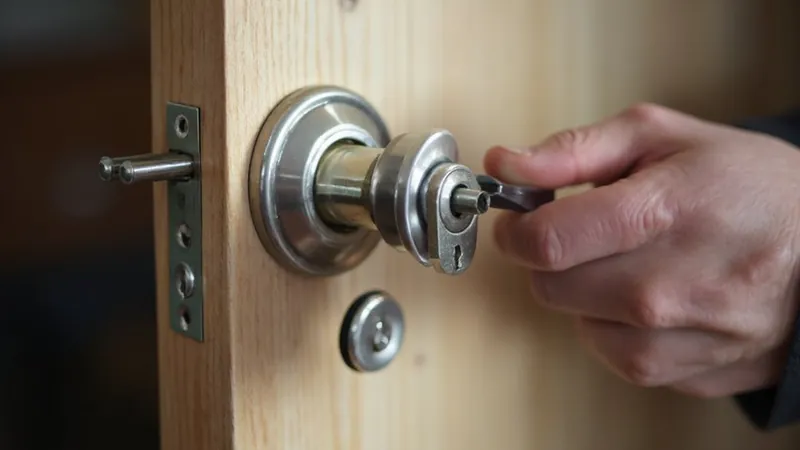
German door locks are built to a different standard than those in many other countries, and understanding how they work is essential when you're renting, buying, or moving into a property in Germany. Whether you're locked out, moving into a flat, or replacing a worn mechanism, knowing what DIN standards mean and how German locks differ can save you time, money, and frustration.
This guide explains the main types of locks you'll encounter in German homes and apartments, how they function, and what to expect when you need a certified locksmith's help.
The DIN Standard: Why German Locks Are Different
German locks are manufactured to strict DIN (Deutsches Institut für Normung) standards, particularly DIN 18251 and DIN 18252. These standards define everything from the cylinder size to the security grade, ensuring locks meet consistent safety requirements across the country.
Because of these regulations, German locks often have a more robust construction than locks you might be familiar with from abroad. The cylinders are typically larger, the mechanisms more precise, and the security classifications clearly marked. When you need a replacement lock or cylinder, a certified locksmith will understand these standards and ensure any new lock matches your door and security needs.
- DIN 18251: Covers standard residential and commercial locks
- DIN 18252: Defines security grades (WK1 to WK6) – higher numbers mean stronger resistance to forced entry
- Certification: German locksmiths must be trained and registered to work with DIN-certified locks
Common Door Lock Types in German Homes
Most German apartment and house doors use one of two main lock systems: the mortise lock (Einsteckschloss) or the cylinder lock (Zylinderschloss). Understanding which you have helps when you're planning maintenance or a lockout situation.
The mortise lock is a large mechanism fitted inside the door frame itself – you'll see it as a rectangular box set into the edge of the door. It typically includes a handle, a deadbolt, and sometimes a latch. The cylinder lock is smaller and more common in modern buildings; the key mechanism sits in a circular housing on the inside and outside of the door.
- Mortise locks: Popular in older buildings; robust but heavier and more complex to replace
- Cylinder locks: Standard in newer apartments; faster to install and easier to upgrade
- Combination systems: Some German doors use both – a mortise lock for the main bolt and a separate cylinder for the outside handle
- Electronic locks: Increasingly common in modern buildings; may require specialist knowledge to service
What Happens When You Rent: Locks and Your Tenancy
When you move into a rental flat (Wohnung) in Germany, the lock situation is often governed by your rental agreement (Mietvertrag). In many cases, the Vermieter (landlord) is responsible for maintaining locks and providing you with keys in working order. However, the specifics vary depending on your contract and the building.
Some landlords may have a policy of changing locks or cylinders between tenants; others expect tenants to report lock damage or wear. It's worth asking during your viewing or handover whether the locks are new, how many keys you receive, and what to do if a key goes missing or a lock becomes faulty. If you lock yourself out, a certified locksmith can help without damaging the door, and in many cases your landlord's insurance (Haftpflicht) or your own household insurance (Hausratversicherung) may cover the cost – check your policy and inform your Vermieter.
- Check your Mietvertrag for lock responsibility and maintenance clauses
- Ask the Hausmeister (building manager) or landlord about lock age and history during handover
- Keep a spare key in a safe place outside your apartment
- Report broken or sticking locks to your landlord immediately; don't force a key
- Inform your landlord if you lose a key so action can be taken
Changing and Upgrading Your Lock
Whether you're upgrading security, replacing a worn cylinder, or installing a new lock after a tenant moves out, German DIN standards ensure that replacement parts are standardised and reliable. A certified locksmith will assess your door type, measure the cylinder, and recommend the right replacement to match your security needs and the door's existing hardware.
If you own the property, you have full freedom to upgrade. If you rent, you must get permission from your Vermieter before making changes. Most landlords are willing to allow a cylinder upgrade (which is non-invasive), but replacing an entire mortise lock requires written approval. A professional locksmith will know the right approach and can advise you on what requires landlord consent.
Upgrading to a higher security grade – such as moving from WK2 to WK4 – is particularly useful if you've had break-ins in your area or simply want peace of mind. The locksmith will explain the options and the difference in durability and cost on a written order form before work begins.
Lockouts and Emergency Access in Germany
Being locked out of your German apartment is stressful, but a certified local locksmith can usually open your door quickly and without damage. Because German locks are built to strict standards, professional locksmiths are trained to work with them safely – forcing or damaging the lock is rarely necessary.
If you're locked out, contact an English-speaking locksmith hotline immediately. They'll connect you with a certified professional who understands German lock systems and can advise whether opening the door is straightforward or whether building access (via a Hausmeister or landlord key) might be quicker. In an emergency – for example, if someone is locked inside a room or in danger – always call the fire brigade (Feuerwehr) on 112 rather than a locksmith.
If you're genuinely stuck and need urgent help, our English-speaking hotline connects you with a certified local locksmith who can assess your situation, explain your options, and get you back inside as safely and quickly as possible.
Frequently asked
What does WK rating mean on a German lock?
WK (Widerstandsklasse) is a security grade from WK1 (basic) to WK6 (maximum). Higher ratings mean the lock resists picking and forced entry longer. Most residential locks are WK2 to WK4; your choice depends on your security needs and neighbourhood. A locksmith can advise which grade suits your situation.
Can I change the lock myself if I'm renting?
You can usually change the cylinder (the key mechanism) without permission, as it's a simple swap. Replacing the entire lock requires written permission from your Vermieter. Always check your Mietvertrag first, and ask your landlord – most are reasonable about security upgrades.
How do I know if my lock needs replacing?
Signs include keys sticking or grinding, difficulty turning the key, the bolt not catching properly, or visible damage or rust. If a lock feels loose, unstable, or makes grinding sounds, contact a locksmith for assessment. Wear is normal over years, but early attention prevents lockouts.
What if I lose my key in a German apartment?
Tell your Vermieter immediately. Depending on your contract and insurance, the landlord may change the cylinder or provide a new key. If you caused the loss, you may pay; if it's theft, your Hausratversicherung might cover a locksmith's cost. Don't wait – inform them straight away.
Are German electronic locks more secure?
Electronic locks (keypad, card, or app-based) offer convenience and tracking, but they still rely on DIN certification and depend on power and maintenance. A certified locksmith can advise whether electronic systems suit your door type and security needs. They're increasingly popular in managed buildings and offices.
How much does it cost to change a lock cylinder in Germany?
Prices vary by locksmith, lock type, and whether it's a standard cylinder or high-security grade. The locksmith will provide a written cost estimate on site before beginning work, so you know the price before you decide. Never agree to vague quotes over the phone.