
A Frozen Lock in Winter
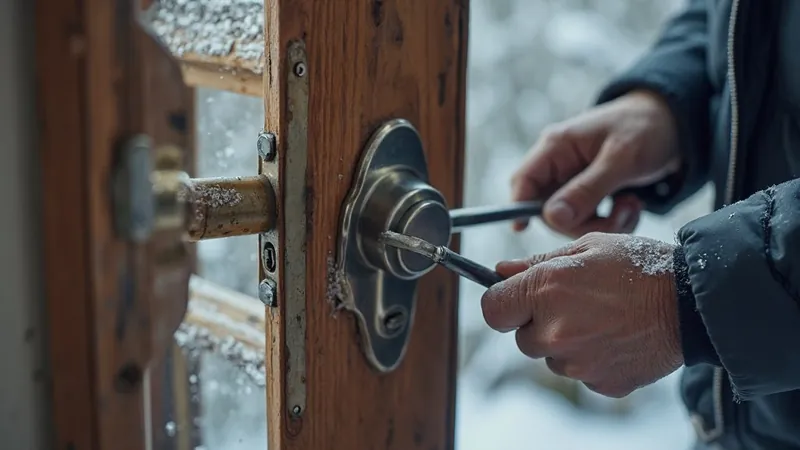
Winter in Germany can be beautiful, but frozen locks are one of its least welcome surprises. When temperatures drop below freezing, moisture inside your lock mechanism can turn to ice, leaving you locked out of your home, car, or office—sometimes at the worst possible moment. If you're new to Germany or unfamiliar with the climate, knowing how to prevent and handle a frozen lock can save you time, stress, and money.
This guide explains what causes locks to freeze, how to safely unfreeze them, and when to call in a certified local locksmith. We'll also cover practical steps to protect your locks through the German winter season.
Why Locks Freeze in German Winters
A lock freezes when moisture inside the cylinder and keyway turns to ice. This happens naturally in Germany's cold winters, especially in regions like Bavaria, Berlin, and the north where temperatures regularly drop to −5°C or below. Every time you use your lock, tiny amounts of moisture enter the mechanism. In summer, this evaporates. In winter, it crystallises.
Older locks and those exposed to rain, sleet, or snow are most vulnerable. If your property faces north or is in a wind tunnel—common in German apartment blocks—your locks are at higher risk. Even a well-maintained lock can freeze if the weather is cold and wet enough.
- Moisture seeps in during normal use and exposure to rain or snow
- Sub-zero temperatures cause that moisture to turn to ice
- Ice expands inside the lock cylinder, jamming the mechanism
- The key may not turn, or it may turn with resistance and then become stuck
- Forcing the key can break it off inside the lock, making the situation worse
How to Safely Unfreeze a Frozen Lock
If your lock is frozen, resist the urge to force the key or apply brute strength. Doing so can snap the key inside the cylinder, damage the mechanism, or break the lock housing—all of which mean you'll need urgent help to get inside and expensive repairs.
Here are safe methods to try first:
- Warm the key. Hold your key under warm water (not boiling) or in your hand for a few minutes to warm it slightly. Insert it gently into the frozen lock. The warmth may help melt the ice inside enough for the key to turn. Repeat if needed, but never force it.
- Use a graphite or PTFE lock lubricant. A dry graphite powder or Teflon-based lubricant (not WD-40 or oil-based products—these attract dirt and can make things worse) can help. Spray or apply it into the keyway, work the key gently back and forth, and wait a few minutes for it to penetrate. German hardware stores (Baumarkt) stock these products.
- Apply gentle heat to the lock itself. A hairdryer on a low setting, held a safe distance from plastic parts, can warm the lock casing and help melt internal ice. Never use boiling water directly on the lock—the sudden temperature change can crack the mechanism.
- Leave it in the sun or move to a warmer location. If the lock is on a car or portable object, parking in sunlight or moving it to a garage for an hour may allow the ice to melt naturally.
If none of these work after 15 to 20 minutes, or if the key feels stuck, stop and do not try again. Continued attempts risk breaking the key or causing internal damage.
When to Call a Certified Locksmith
Sometimes a frozen lock needs professional attention. A certified local locksmith has the right tools and expertise to unfreeze a lock without damaging it, and they can open it if necessary without forcing.
You should contact a locksmith if:
- The key is stuck or you cannot turn it at all after gentle attempts
- Part of the key has broken off inside the lock
- You have tried safe thawing methods and the lock is still frozen
- The lock is on a rental property (Mietwohnung) and you cannot contact your landlord (Vermieter) or building manager (Hausmeister) in time
- You are locked out and need immediate access to your home or car
- You are worried that repeated attempts might damage the lock mechanism
A locksmith can also inspect the lock to check for damage and advise whether it needs cleaning, lubrication, or replacement. This is especially important if you expect the freeze-thaw cycle to continue throughout the winter.
Preventing Frozen Locks During Winter
Preventing a frozen lock is much easier than dealing with one. A few simple steps before winter arrives can protect your locks and give you peace of mind through the cold months.
- Clean and lubricate locks in autumn. Before temperatures drop, have a certified locksmith inspect and clean your locks, then apply a dry graphite or PTFE lubricant. This removes any existing moisture and creates a protective barrier against new moisture entering the mechanism.
- Cover exterior locks. A simple lock cover or weather shield—available at German hardware stores—protects the keyway from direct rain and snow. These are inexpensive and easy to install.
- Use the lock regularly. Locks that are used frequently tend to stay warmer and are less likely to freeze. If you have a spare entrance, vary which lock you use.
- Keep the key dry. Wipe your key dry after use, especially in snow or rain. A wet key entering a cold lock accelerates ice formation.
- Consider a lock heating cable. For doors and windows that are especially exposed, a low-power electric heating cable can be wrapped around the lock casing. These are not common in German homes but are available and effective in extreme climates.
- For rental properties, inform your Vermieter. If you rent, mention to your landlord or Hausmeister if your lock is prone to freezing. They may arrange preventive maintenance or a replacement under the maintenance clause (Instandhaltung) of your Mietvertrag.
Frozen Car Locks and Other Winter Lock Problems
Car locks freeze much more easily than door locks because they are smaller, more exposed, and harder to protect. If your car lock is frozen, use the same safe methods: warm the key gently, apply graphite lubricant into the keyway, and avoid forcing the lock. For cars, you might also try warming the metal lock housing with a heat source held at a safe distance.
If the lock is truly frozen and you cannot open the door, do not try to break in yourself. Call a certified locksmith who specialises in automotive locks—they can often unfreeze or open the lock faster and safer than a garage might.
Windows and other metal fixtures can also freeze in winter. The same principles apply: prevent with lubrication in autumn, thaw gently if it happens, and call a professional if you are stuck. For multi-unit apartments (Mehrfamilienhaus), the building's main water shut-off valve, heating system controls, and outdoor utility boxes may also freeze—alert the Hausmeister if these are at risk.
If you're facing a frozen lock right now or want to arrange preventive maintenance, our English-speaking hotline can connect you with a certified local locksmith in your area. We understand that winter lockouts happen, and help is just a call away.
Frequently asked
Can I use WD-40 or regular oil to unfreeze my lock?
No. Oil-based products attract dirt and dust, which mix with moisture inside the lock and cause more problems. Use only dry graphite powder or PTFE-based lubricants designed for locks. German hardware stores sell these products; ask for 'Graphitpulver' or 'Teflonspray'.
What should I do if my key breaks inside a frozen lock?
Stop immediately. Do not try to remove the broken piece yourself. Contact a certified locksmith—they have extraction tools and can retrieve the fragment without damaging the lock cylinder. Attempting removal by force or with improvised tools often causes more damage.
Is a frozen lock covered by Hausratversicherung (household insurance)?
In many cases, lockout costs are not covered by standard household insurance, but freezing damage to the lock mechanism itself may be. Check your policy or ask your insurance provider. If you rent, your landlord's building insurance (Gebäudeversicherung) may cover lock repairs.
How long does it take for a lock to unfreeze naturally?
This depends on temperature and sun exposure. On a clear winter day with some sunshine, a lock might thaw in 1 to 3 hours. In continuous cold or shade, it could take much longer. Do not rely on natural thawing if you need access urgently.
Can I prevent frozen locks if I live in a very cold part of Germany?
Yes. Have your locks cleaned and lubricated with dry lubricant before winter, use lock covers or weather shields, and consider installing locks rated for sub-zero temperatures. A locksmith can recommend cold-climate lock options for your home or car.
What if my rental property's lock is frozen and I cannot reach the Hausmeister?
Document the situation (take a photo) and contact your Vermieter or the emergency maintenance number in your lease agreement. If you genuinely cannot get inside and the building manager is unreachable, call a certified locksmith; your landlord should reimburse reasonable emergency locksmith costs for necessary access.