
An Ex or Former Flatmate Still Has a Key
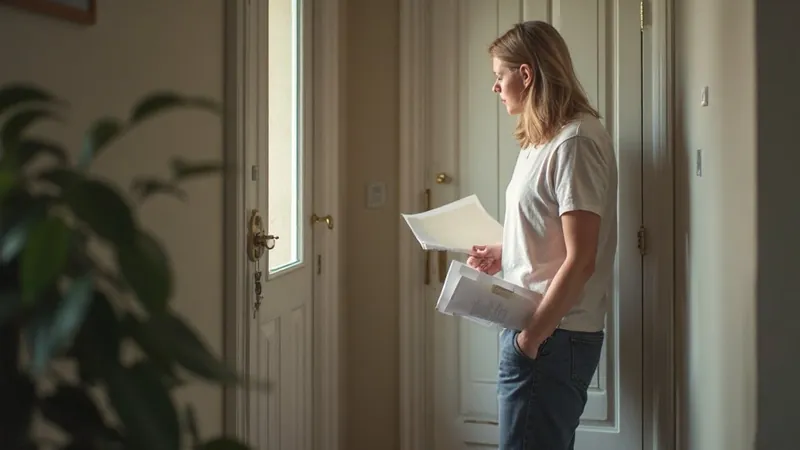
If an ex-partner or former flatmate still holds a key to your apartment in Germany, you have a legitimate security concern—and a clear set of options. Whether the person left on good terms or not, you have the right to regain exclusive control of your home. This guide walks you through what to do, what German tenancy law says, and when to call a locksmith.
The good news: changing locks is straightforward in Germany, but it does require understanding your rights as a tenant and your landlord's role. We'll explain both scenarios—renting and owning—and show you the practical steps.
Your Legal Right to Change the Locks
In Germany, you have the right to feel safe in your own home. If someone else holds a key—whether an ex-partner, former housemate, or anyone else—you can take action. As a tenant, however, there is one important rule: you almost always need permission from your landlord (Vermieter) before changing the locks or the cylinder (Schließzylinder).
This is written into most German rental contracts (Mietvertrag). Even if your contract is silent on it, German tenant law generally requires you to notify your landlord of any alterations to the property. A locksmith change is considered an alteration.
The reason is practical: your landlord needs a key for emergencies (fire, flooding, gas leak) and routine inspections. Changing locks without permission can technically be a breach of contract, though landlords rarely pursue tenants who do so for genuine security reasons.
The right approach: Contact your landlord in writing (email or post) explaining the situation. Say something like: "A former resident still holds a key to the apartment. For security reasons, I need to change the lock cylinder. I will provide you with a copy of the new key. Please confirm this is acceptable." Most landlords agree immediately when safety is the issue.
Steps to Take Before Calling a Locksmith
Before you arrange a lock change, take these practical steps to protect yourself and clarify the situation.
- Ask for the key back first. If you're on reasonably good terms, request the key directly. Get it in writing (email is fine) that they've returned it or confirm they no longer have it. This creates a paper trail.
- Check your tenancy agreement. Review your Mietvertrag for clauses about lock changes, repairs, and who pays for them. In many cases, the tenant covers the cost of lock cylinder replacement.
- Notify your landlord in writing. Send an email or registered letter (Einschreiben) to your landlord explaining the security concern and requesting permission to change the lock. Keep a copy for your records.
- Inform your insurance company. If you have household contents insurance (Hausratversicherung), let them know about the security risk. Some policies require you to report such issues.
- Consider changing just the cylinder. You don't need to replace the entire lock—a certified locksmith can swap out the cylinder (Schließzylinder) for a new one. This is cheaper and faster than a full lock replacement. Your landlord can keep the old cylinder in case they need it later.
What Happens After the Lock Change
Once you've arranged the lock change with a certified local locksmith, there are a few follow-up steps to complete the process properly.
First, provide your landlord with a copy of the new key or keys. This fulfills your legal obligation and ensures they can access the property in an emergency. Many tenants give their landlord two copies—one for immediate use and one as a backup.
Second, keep the receipt and documentation from the locksmith. If you ever need to prove the lock was professionally changed (for insurance purposes, or if a dispute arises), you'll have evidence. The locksmith will provide an invoice; store this safely.
Third, ask the locksmith whether they can provide your landlord with a "master key" or whether the new lock works on a different key system. Some landlords prefer to know the technical details in case they need to access the property in an emergency and the tenant is unreachable.
If you're renting and the former resident was an official tenant or occupant on the lease, you may also want to check with your landlord that they have officially removed that person from the rental agreement. This prevents any future claims or confusion about who has the right to access the property.
Special Situation: Shared Apartments and Co-Tenants
If you live in a shared flat (Wohngemeinschaft or WG) in Germany, the rules are slightly different. All tenants typically share responsibility for the common areas, and changing the lock to the entire apartment without agreement from other current residents can cause problems.
In a WG, the best approach is to:
- Hold a house meeting with all current residents and agree on the lock change.
- Notify the landlord together in writing, explaining that all residents agree.
- Make sure all current residents receive new keys.
- Ensure the landlord receives a copy as well.
If the flatmate who still has the key was a co-tenant and has now moved out, the remaining residents are within their rights to change the lock—but it's still courteous and legally safer to inform the landlord. If the co-tenant is still officially on the lease, you may need the landlord's involvement to remove them before changing the lock.
When to Call Our English-Speaking Hotline
If you feel unsafe, don't delay. Whether you're unsure about your rights, worried about how your landlord will react, or simply need a lock change arranged quickly in English, our English-speaking hotline connects you with a certified local locksmith who understands your situation.
You might also call if:
- Your landlord is unresponsive or refuses permission without good reason.
- The former resident has shown threatening behaviour or won't return the key.
- You need emergency access restored (someone is in the apartment, or you've been locked out after confronting them).
- You need advice on whether changing the lock might affect your rental deposit or contract.
- You want the locksmith to explain the options to your landlord directly.
A certified locksmith can arrange a cylinder change quickly, explain costs clearly on a written order form, and liaise with your landlord if needed. Your security and peace of mind matter. Don't hesitate to reach out—that's what we're here for.
Frequently asked
Do I have to ask my landlord's permission to change the lock?
In almost all cases, yes. German tenancy law requires you to notify and usually get permission from your landlord before altering the property, including the locks. Most landlords will agree if you explain it's a security issue. The key point is that they need a copy of the new key for emergencies.
Can the landlord charge me for changing the lock?
You will typically pay for the lock change yourself, as the cost is often treated as a tenant repair. However, if the lock was damaged or broken, the landlord may cover it. The locksmith will provide a written invoice; costs are explained on site, not over the phone.
What if my landlord refuses to let me change the lock?
A landlord cannot reasonably refuse if you have a genuine security concern (someone who no longer lives there has a key). If they decline without reason, you may need to escalate—consult a tenant rights organisation or seek advice from a Mieterverein (tenant union). Your right to safe, exclusive use of your home is protected under German law.
Can the former flatmate take legal action if I change the lock?
No, not if they no longer live there and you've followed proper procedure (notifying the landlord). They have no legal claim to a key once they've moved out. If they were a co-tenant and still on the lease, that's a different issue—work with your landlord to remove them officially first.
Is it better to replace the entire lock or just the cylinder?
Changing just the cylinder (Schließzylinder) is usually the right choice: it's cheaper, faster, and less disruptive. The locksmith removes the old cylinder and installs a new one. Your landlord can keep the old cylinder. Only replace the whole lock if the mechanism is damaged.
How long does a lock cylinder change take?
A certified locksmith can usually change a cylinder in 15 to 30 minutes. Once arranged and the landlord approves, you can often have it done within a day or two. For urgent security concerns, call our English-speaking hotline to prioritise your request.