
Leaving Your Flat Empty: A Security Checklist
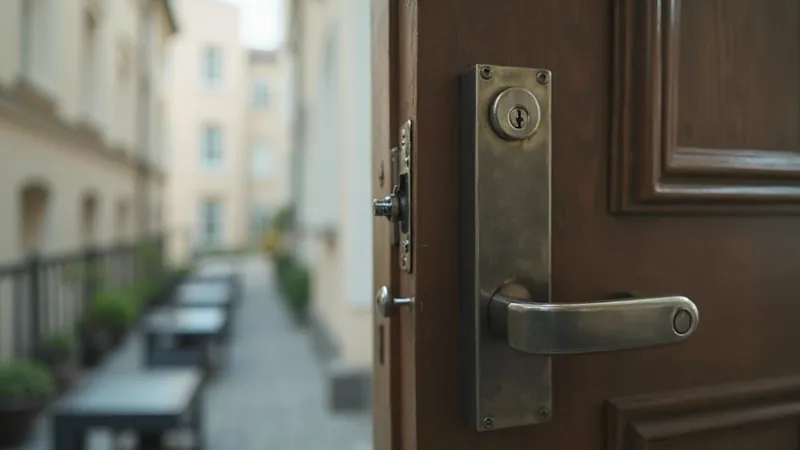
Whether you're heading home for the holidays, taking a work trip, or spending time at a second property, leaving your flat empty in Germany comes with security responsibilities you'll want to take seriously. Burglaries do happen, and an unoccupied flat is a vulnerable one—but a few practical precautions can make yours far less attractive to thieves and give you genuine peace of mind while you're away.
This guide walks you through the essentials: door and window security, visible signs of habitation, neighbour checks, and what to do if you return to find signs of break-in. We'll also explain how a certified local locksmith can help you assess and upgrade your security before you leave.
Lock Up Everything—Doors and Windows
Start with the basics. Before you leave, check every external door and window—yes, every single one. In Germany, many flats have sash windows (Fenster) or double doors (Doppeltür) that can seem secure when closed but may not actually be locked. A closed window is not a locked window.
- Doors: Make sure your main entry door (Haustür) is locked, and if you have a secondary door or balcony access, lock that too. Check that the lock mechanism turns smoothly and the bolt fully retracts and extends. If it's stiff or broken, call a certified locksmith before you leave—don't wait until you return to find it won't work.
- Windows: Lock every window handle. If any lock is loose, damaged, or missing, have it repaired. Tilted windows (Kippsstellung) look closed but are not secure; always lock them fully.
- Balcony or patio doors: These are common entry points. Lock them and consider adding a secondary lock or bar if they feel weak.
- Basement, cellar, or side doors: Don't forget less obvious access points. Lock them all.
If you're unsure whether your locks are secure or up to modern standards, a certified locksmith can inspect them in advance. They'll identify weak points and explain your options for upgrading before you leave.
Make Your Flat Look Occupied
Thieves look for signs of absence: closed shutters for weeks, post piling up outside, dark windows every night, bins never moving. Breaking this pattern—or at least suggesting someone is home—deters casual opportunistic burglaries.
- Lighting: Use plug-in timers on a few lights (Zimmerlampen) so they switch on and off at different times in different rooms. This is cheap and surprisingly effective. Avoid leaving lights on continuously—that looks fake.
- Curtains and blinds: Vary them. Don't leave them closed 24/7. If you normally leave them open during the day, keep doing so (via a timer or ask a neighbour).
- Post and deliveries: Ask a trusted neighbour to collect your post and parcels, or suspend deliveries. A overflowing letterbox signals nobody's home.
- Bins: Ask your neighbour to put bins out on collection day if applicable, then return them. Movement suggests activity.
- Sound: Some people use a radio or TV on a timer set to low volume. Check your flat's noise policy (Hausordnung) first, and keep it subtle.
- Car: If you have a parking space, arrange for someone to move or park in it occasionally, or block it with a barrier to suggest you're still using it.
Enlist Your Neighbours and Building Manager
In Germany, many residential buildings have a Hausmeister (building manager) or a Hausverwaltung (management company) responsible for common areas and security. Tell them you're away and for how long. They can watch for suspicious activity, report break-in attempts, and contact you if something looks wrong.
- Leave contact details: Give your Hausmeister and at least one trusted neighbour (Nachbar/Nachbarin) your mobile number and a person to contact in an emergency.
- Ask them to check: Request that they keep an eye on your door and windows, listen for unusual sounds, and note any visitors or attempted access.
- Exchange keys carefully: If you give a spare key to a neighbour, do so in person and in advance—never leave a key hidden under a mat, plant pot, or door frame. Thieves know all those spots.
- Security codes: If your building has a PIN-entry door (Zahlenkombination) or keypad, change it before you leave if you can, or inform the Hausmeister that you're away and no one should be accessing your flat.
Good neighbour relationships are a real security asset. A building where residents look out for each other is statistically less attractive to burglars.
Inside Your Flat: Valuables and Prevention
Before you leave, think about what's visible and accessible inside. Burglars often smash a window, grab what they can see, and leave within minutes.
- Close internal doors: Lock your bedroom and home office doors (where laptops, documents, and jewellery often live). This slows thieves down and makes them work harder.
- Hide valuables: Don't leave electronics, cash, or jewellery on display. Store them in a secure place—ideally a safe bolted to the wall or floor. Ordinary cupboards are the first place burglars look.
- Document your belongings: Before you leave, photograph valuable items and note serial numbers. This helps with police reports and insurance claims (Hausratversicherung) if needed.
- Notify your insurance provider: In many cases, leaving a flat unoccupied for more than a certain period (often 30 or 60 days) must be declared to your Hausratversicherung (contents insurance). Failure to do so can void your claim. Check your policy.
- Leave utilities safe: Ensure your boiler (Heizung/Gas-Therme) is set to a safe temperature to prevent damage while you're away. Know where your main water shut-off valve (Hauptwasserhahn) is in case of emergency—your Hausmeister can show you.
Security Upgrades Before You Leave
If you're concerned about your flat's security, or if you're planning a long absence, now is the time to upgrade. A certified local locksmith can help you assess what's needed and install improvements before your trip.
- Door reinforcement: A weak lock or damaged frame is an easy target. A locksmith can upgrade your lock cylinder, reinforce the door frame, or install a secondary lock (Zusatzschloss).
- Window locks: Missing or broken window locks can be repaired or replaced quickly and affordably.
- Smart locks or alarms: Some people install basic door alarms or motion-sensor lights. A locksmith can advise on what's practical for rental flats (always check your Mietvertrag—tenancy agreement—and inform your Vermieter—landlord—before making permanent changes).
- Lock inspection: A locksmith can check whether your locks meet current German security standards (DIN-certified) and whether they're functioning properly.
If you're renting, remember that any permanent security upgrades need permission from your landlord. A locksmith can often suggest temporary or non-invasive options if you can't modify the flat. If you're worried about your security or want a professional assessment before leaving your flat empty for an extended period, our English-speaking hotline can connect you with a certified local locksmith who can visit, inspect your doors and windows, and recommend upgrades. Call us for an urgent assessment or advice.
Frequently asked
How long can I safely leave my flat empty?
There's no fixed legal limit, but many contents insurance policies (Hausratversicherung) require notification if you'll be away for more than 30–60 consecutive days. Extended absence also increases break-in risk. Check your Mietvertrag and insurance policy, and inform your Hausmeister or landlord before leaving for more than a week or two.
Should I leave the heating on while I'm away?
Yes, keep your boiler (Heizung) on at a low, frost-free temperature to prevent pipe damage and mould growth. Your Hausmeister or landlord can advise on the safe minimum temperature for your building, typically around 15–16°C.
What should I do if I return and the door lock looks forced or broken?
Don't enter. Call the police (Polizei) from a safe location and report a suspected break-in. Once they've checked the flat, contact a certified locksmith to assess the damage and repair or replace the lock.
Can I leave a spare key with my neighbour?
Yes, but do it in person and well in advance. Choose a trusted neighbour, keep a record of who has it, and ask them to return it or confirm they'll only use it in a genuine emergency.
Is it worth installing a smart lock or alarm before I leave?
Smart locks and alarms can help, but check your Mietvertrag first—renters often need landlord permission for permanent changes. A locksmith can advise on temporary or non-invasive options and whether they suit your situation.
What counts as 'signs of life' in a flat?
Varied lighting at different times, curtains opening and closing, bins moving on collection day, post being collected, and occasional activity visible from outside. Ask a neighbour to help create this appearance, or use simple plug-in timers.