
Emergency Locksmith Numbers in Germany
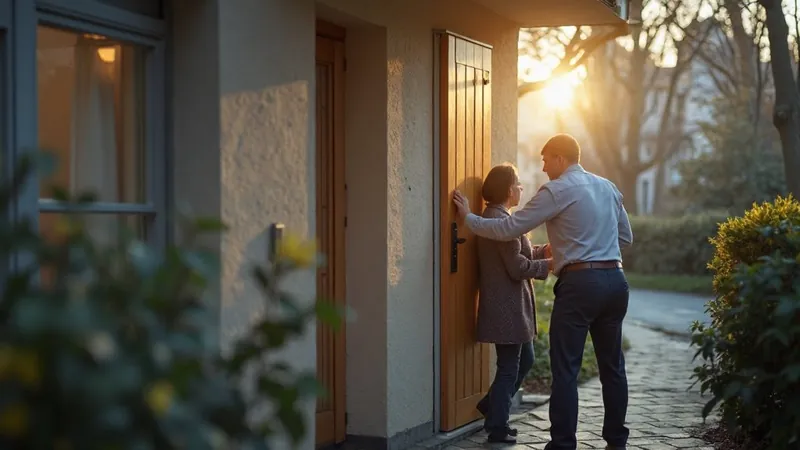
Getting locked out at midnight, losing your keys before an important meeting, or discovering a break-in are situations where you need immediate help—and you need it *now*. If you're living in Germany but don't speak fluent German, finding the right emergency locksmith number and knowing how to communicate what you need can feel overwhelming. This guide walks you through what to expect, how to reach a locksmith quickly, and what information to have ready when you call.
Germany has a strong culture of certified tradespeople and regulated services. Emergency locksmiths operate around the clock in most cities, but the system works differently than in some other countries. Understanding the basics—including language support, how to describe your situation, and realistic response times—will help you get back inside safely and with less stress.
How Emergency Locksmith Services Work in Germany
In Germany, locksmiths are licensed professionals who must complete apprenticeships and pass official exams. This means standards are consistently high, but it also means you'll pay for that expertise and certification. Emergency calls—those outside regular working hours or on weekends and public holidays—typically incur additional surcharges on top of the base callout fee.
Most locksmith businesses operate through a central dispatch system. When you call, you're usually connected to a coordinator who takes your details, assesses the urgency, and dispatches the nearest available certified technician to your address. In major cities like Berlin, Munich, Hamburg and Cologne, response times for genuine emergencies are often 30 to 60 minutes; in smaller towns or rural areas, it may take longer.
- Callout fees cover the technician's travel and initial assessment; the actual work is charged separately and explained on a written order form (Kostenvoranschlag) before work begins.
- Emergency surcharges apply to calls outside business hours—typically nights, weekends, and German public holidays (Feiertage).
- Damage assessment is part of the service; the locksmith will check whether the lock can be opened non-destructively or whether replacement is necessary.
- No-show policies vary, but many locksmiths will bill a callout fee even if you cancel shortly after the appointment is booked.
What to Tell the Dispatcher When You Call
When you ring an emergency locksmith, the dispatcher will ask a series of questions to understand your situation and send the right person. Even if you speak limited German, an English-speaking service will translate or conduct the call in English. Here's what information you'll need to provide:
- Your full address—including postcode (Postleitzahl), street name, building number, floor, and apartment number. Double-check this; miscommunications about location waste time.
- Type of lock and door—is it a residential apartment, house, office, or business premises? Is it a standard pin-cylinder lock, a modern smart lock, or a mortice lock? Do you know the manufacturer if it's a modern system?
- Your situation—are you locked out outside, locked in, or is this a suspected break-in? Is there any visible damage?
- Whether you rent or own—this matters for insurance and liability. If you're a tenant (Mieter), mention it; the landlord (Vermieter) may need to be contacted for a break-in.
- Your contact number and name—the technician needs to reach you when they arrive.
- Access to the building—can you be let in by a neighbour, the caretaker (Hausmeister), or will the technician need to force the entrance door?
Many dispatchers will confirm your details in writing via email or SMS, so you have a reference number and estimated arrival window. Keep this information handy.
Emergency Versus Non-Emergency: When to Call What
Not every lock-related problem requires an emergency callout. Understanding the difference can save you money and ensure resources go to those in genuine crisis.
- True emergencies—you're locked out after hours with no way inside, there's a break-in or security breach, a child is accidentally locked in a room, or an elderly person is trapped. These warrant immediate 24/7 response.
- Same-day but not urgent—you're locked out during business hours, you've lost a key and can wait a few hours, or your lock is jammed but you can still access your home another way. Call a regular locksmith for a daytime appointment.
- Routine maintenance—you want a lock upgraded, a new cylinder fitted, or spare keys cut. Book in advance; no emergency premium applies.
If you're unsure whether your situation qualifies as an emergency, call the English-speaking hotline and describe what's happened. The coordinator will advise whether immediate dispatch is necessary or whether a standard appointment will work.
Insurance, Tenancy, and Who Pays
In many cases, the cost of an emergency locksmith callout is covered by your household contents insurance (Hausratversicherung) or landlord liability insurance if you're renting. However, coverage depends on your specific policy and the circumstances of the lockout.
If you rent an apartment: In many cases, if you're locked out due to lost or broken keys, the cost is your responsibility—check your Mietvertrag (rental agreement). However, if there's a break-in, vandalism, or a building-access issue (like a broken front door), the landlord's (Vermieter's) insurance may cover it, and you should notify your Vermieter immediately. The landlord is often legally responsible for maintaining locks and building security.
If you own your home: Locksmith costs are usually covered by your Hausratversicherung (household contents insurance) if the lockout resulted from theft, break-in, or accidental damage—but not if you simply lost your keys. Check your policy documents or contact your insurance company before or immediately after the callout.
What to do: Always ask the locksmith for an itemized invoice (Rechnung) with details of work, materials, and labour. Most insurance companies will reimburse you if you submit the receipt and a copy of the police report (Anzeige), if applicable.
Taking Action: Finding Help and Staying Safe
When you're locked out or facing a security issue, clarity and speed matter. Don't waste time searching online in a panic or trying to communicate in broken German if language is a barrier. An English-speaking locksmith hotline is designed exactly for your situation: the coordinator understands international residents' needs, can confirm your location without confusion, and will ensure the right technician is sent to you.
Before you call, write down your address, postcode, and apartment details so you can recite them clearly. If there's been a break-in, consider whether you feel safe entering your home and whether you should contact the police (Polizei, 110) before the locksmith arrives. For locked-in emergencies—such as a child or elderly person trapped in a room—always call emergency services (112) first; they can assist or advise whether a locksmith is needed.
In Germany, certified locksmiths must show ID and provide a written quote before work begins. If a technician refuses to do either, don't proceed. Legitimate businesses operate transparently and understand that you want reassurance.
If you need urgent help right now, an English-speaking hotline will connect you to a certified local locksmith who can respond immediately, explain costs clearly, and get you back inside safely. Don't delay—reach out, describe your situation, and let the professionals take it from here.
Frequently asked
Will a locksmith speak English, or do I need to arrange translation?
Many certified locksmiths in major German cities speak some English, but quality varies. Using an English-speaking referral hotline removes this worry—the coordinator handles everything in English and briefs the technician on your needs. This avoids miscommunication and ensures you understand the work being done.
What's the difference between a locksmith emergency callout and calling the police?
Police (110) are for suspected crime or safety threats; they don't open locked doors. A locksmith handles access issues. If you're locked out without a break-in, call a locksmith. If you suspect theft or break-in, call police first, then a locksmith. Your insurance may require a police report (Anzeige) before reimbursement.
Can I claim the locksmith cost on my insurance if I lost my keys?
Usually not for lost keys—that's considered your responsibility. However, if the lockout was caused by theft, break-in, vandalism, or a faulty lock, your Hausratversicherung or the landlord's insurance may cover it. Always check your policy or ask your insurer after the callout.
How long does a locksmith usually take to arrive for an emergency?
In cities, expect 30–60 minutes; in smaller towns or rural areas, it can be 90 minutes or more. The dispatcher will give you an estimated arrival window. Traffic and the availability of nearby technicians affect timing.
What if I'm locked out of my apartment and the landlord is unavailable?
Call a locksmith directly. As a tenant, you have a right of access to your own home. Document the lockout and keep the invoice. If the lock was faulty or the landlord's responsibility caused the issue, you may recover the cost or deduct it from rent (consult tenant rights resources). Notify your Vermieter after resolving the situation.
Can I prevent being locked out in the future?
Yes. Give a spare key to a trusted neighbour, family member, or keep one in a secure lockbox. Some modern smart locks allow keyless entry via phone or code. Service your locks regularly—a jammed or stiff lock is often the first sign of wear. If you rent, ask your landlord about lock maintenance.