
The Door Handle Broke Off: Now What?
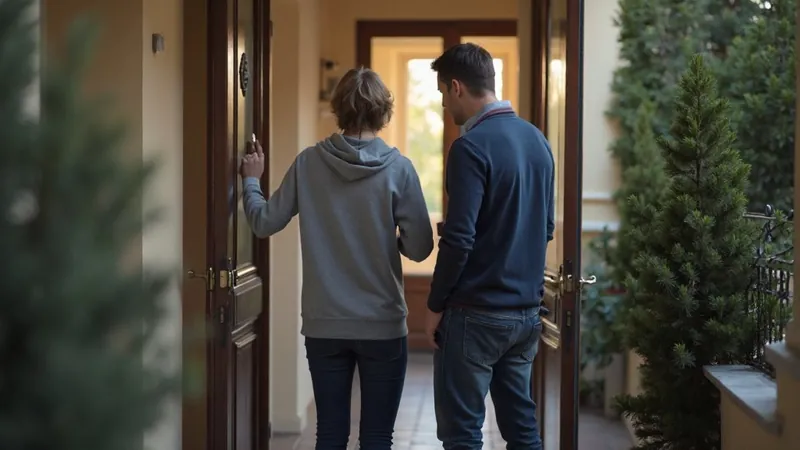
Your door handle just snapped off in your hand—or you noticed it's hanging loose and won't turn anymore. If you're renting in Germany, you may be unsure whether this is your responsibility or your landlord's, and you definitely need to get back inside or secure your flat. This guide walks you through what to do right now, how to assess the damage, and when to call a locksmith.
A broken door handle is more common than you'd think, especially in older German apartment buildings. The good news: it's usually fixable quickly, and you won't be stuck outside for long if you know the right steps.
Assess the Damage: Is It the Handle or the Lock?
Before you panic, take a moment to understand what's broken. A door handle and a door lock are two different things. The handle is the lever or knob you grip and turn; the lock is the mechanism inside the door that actually keeps it closed or opens it when you use your key.
- Handle only: The handle spins freely, won't turn, or came off completely, but your key still works in the lock from outside. You can usually get in.
- Lock is jammed: Your key won't turn, or it turns but the door won't open. This is more serious and requires a locksmith immediately.
- Both damaged: Handle is broken and the lock won't respond. You're locked out and need professional help fast.
If your key works from outside, you can often let yourself in even with a broken handle. If not, you're locked out and a certified local locksmith will need to open the door without damaging it—the standard approach in Germany.
Check Your Rental Agreement: Who Pays?
In Germany, responsibility for repairs depends on your Mietvertrag (rental agreement) and the cause of the damage. This matters because you may not want to pay out of pocket if your landlord (Vermieter) is liable.
- Normal wear and tear: In most cases, your landlord must cover repairs to the door handle if it broke through everyday use over time. Keep your rental contract handy to check this.
- Accidental damage you caused: If you broke it by slamming the door or forcing it, your landlord may ask you to pay. Some contracts make tenants responsible for certain damage; others don't.
- Defect present when you moved in: If the handle was already loose or damaged when you arrived, the landlord should have fixed it then and is responsible now.
- Insurance: Many expats in Germany have Hausrat (household contents insurance) and Haftpflicht (liability insurance). In some cases, accidental damage is covered—check your policy before paying for repairs yourself.
The safest move: contact your landlord or Hausmeister (building manager) first to report the damage and ask who should arrange the repair. Many Hausmeister have preferred locksmiths on speed dial. Even if you end up paying, getting it in writing protects you later.
What a Locksmith Will Do—and What It Takes
A certified local locksmith in Germany can fix or replace a broken door handle in 30 minutes to an hour, depending on the type of door and handle. They'll assess whether the whole handle needs replacing or if parts can be repaired, and they'll do this without damaging your door frame—important because your landlord may charge you for damage beyond the original problem.
- Non-destructive opening: If you're locked out, the locksmith uses special tools to open the door without forcing it. This is standard practice and won't void your rental agreement or landlord's insurance.
- Handle replacement: Most residential doors in German apartments use standard DIN handles. The locksmith will replace the broken one with an equivalent model, usually in under an hour.
- Lock inspection: The locksmith will check whether the lock mechanism itself is damaged. If it is, replacement takes longer but is still straightforward.
- Written order form (Auftragsformular): On site, the locksmith will explain the work and provide a written estimate before starting. This is your receipt and proof of what was done—essential if you're claiming it back from your landlord or insurance.
Always ask for an itemized receipt. German locksmiths are regulated by the Handwerkskammer (Chamber of Crafts) and must provide transparent pricing on the day of work.
Can You Fix It Yourself?
If the handle came off but you have your key and can get inside, you might be tempted to DIY a repair. Here's what you should know: most German residential doors use precision mechanisms, and a careless repair can damage the lock cylinder or door frame, costing far more to fix later. If you're renting, your landlord may also hold you responsible for botched repairs.
- Simple reattachment: If the handle screws came loose, you can tighten them—but only if you're sure the handle itself isn't cracked or bent.
- Handle replacement: Removing and installing a new handle requires checking DIN standards and alignment; it's easy to misalign and jam the lock.
- Risk of breaking the lock: Over-forcing a loose handle or misaligned replacement can crack the internal lock mechanism, suddenly locking you out.
The practical advice: don't attempt it. A 30-minute locksmith visit is cheaper and safer than emergency repairs after a self-repair goes wrong. Plus, you'll have a professional receipt for your landlord.
What to Do Right Now: Action Steps
If your door handle just broke, follow this sequence to get it resolved quickly and protect yourself.
- Step 1: Try your key. If it works from outside (or inside, if you're already in), you're not locked out. You have time to contact your landlord first.
- Step 2: Contact your landlord or Hausmeister. Report the damage by phone or email (email creates a paper trail). Ask if they'll arrange the locksmith or if you should.
- Step 3: If you're locked out or can't reach the landlord, call an English-speaking locksmith hotline immediately. Don't try to force the door open yourself.
- Step 4: Be present for the repair. Watch the locksmith work, ask questions about the handle type (so you can order a replacement if needed), and get that written receipt.
- Step 5: Document everything. Take photos of the damage and the receipt. Keep it for your insurance or landlord claim.
If you're locked out, unsure who to call, or need English-language support to navigate the process, our hotline connects you with a certified local locksmith who understands exactly what you need. Call now—they're available for same-day emergencies across Germany.
Frequently asked
What if I'm locked out and can't reach my landlord?
Call a certified locksmith immediately. They'll open the door without damage. Send your landlord an email afterward explaining the emergency and include the locksmith's receipt. In most cases, the landlord will cover the cost since it was an emergency repair.
Can I claim this repair on my renters' insurance?
It depends on your Hausrat or Haftpflicht policy and whether the damage was caused by accident or wear and tear. Check your policy documents or email your insurer with photos. Keep the locksmith's receipt in case you need to file a claim.
How much will a locksmith charge?
We never quote fixed prices, as the cost depends on the type of door, handle, and whether you're locked out. The locksmith will provide a written estimate on site explaining the exact charges before any work starts.
Is a broken door handle a safety issue I should report immediately?
A broken handle that still locks is not urgent, but a handle that won't close the door or keeps the lock from working properly should be reported to your landlord the same day. If you're locked out, it's an emergency.
What if the door handle is old and doesn't match new ones available?
The locksmith will find a DIN-standard replacement that fits your door mechanism. German doors are standardized, so an exact match is almost always possible. If your landlord cares about aesthetics, they can order a replacement handle later.
Will the locksmith damage my door when opening it?
No. Certified locksmiths in Germany use non-destructive opening techniques with specialized tools. Your door frame and lock will not be damaged. This is the standard professional approach and won't affect your deposit or rental agreement.