
DIN-Rated and Certified Locks Explained
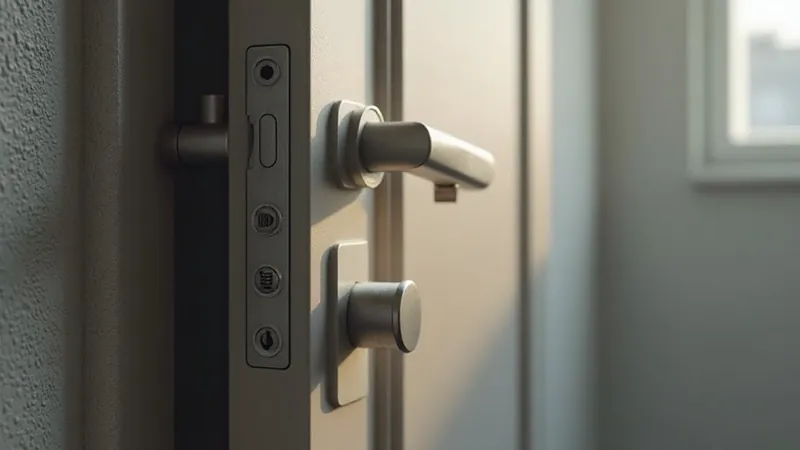
If you're renting or buying property in Germany, you'll quickly hear about DIN-rated locks. These aren't just marketing terms—they're official German security standards that tell you exactly how resistant a lock is to break-ins, picking, and wear. Understanding what DIN means helps you choose the right lock for your door, comply with your insurance, and avoid costly disputes with your landlord.
Germany takes lock security seriously, and insurers often require specific DIN ratings before they'll cover theft or break-in damage. This guide explains what the ratings mean, why they matter where you live, and how to check whether your current locks meet the standard.
What DIN Ratings Mean
DIN stands for Deutsches Institut für Normung—Germany's official standards body. A DIN-rated lock has been tested by an independent lab to withstand specific attack methods: picking, drilling, bumping, and force. The rating tells you how long a lock resists professional tools and techniques.
In Germany, the main scale is DIN 18251, which sorts locks into grades from 1 to 6. Grade 1 is the most basic (often used on internal cupboards), while Grade 6 is fortress-level security for banks and high-security installations. Most residential doors in Germany fall into Grade 2 or 3, which is the sweet spot for apartments and houses.
- Grade 1: minimal security, interior use only
- Grade 2: standard for rental apartments, resists casual tampering
- Grade 3: good security, recommended by insurers for ground-floor flats and houses
- Grade 4: high security, for areas with higher break-in risk or valuable contents
- Grade 5–6: commercial or specialized use, rarely needed in residential settings
The rating is printed on the lock cylinder itself or on the packaging—look for text like 'DIN 18251-1 Klasse 3'. It's not an opinion; it's a certified test result.
Why Your Landlord and Insurer Care
In Germany, your Mietvertrag (rental contract) often specifies what locks must be installed on doors you occupy. Many landlords—your Vermieter—require at least Grade 2 locks on the main entrance. If you install an inferior lock without permission, you could be liable if a break-in happens, and your Hausrat-Versicherung (contents insurance) may deny a claim.
Most German home insurers require Grade 2 as a baseline on external doors. Some policies demand Grade 3 if you live on a ground floor, in a known high-crime area, or own especially valuable items. Always check your insurance document before assuming you're covered; the term 'versicherte Sicherheitsvorkehrungen' (covered security measures) often depends on lock grade.
If you rent, you typically cannot remove or replace locks without the landlord's written approval. However, you can ask your Vermieter to upgrade the lock if the current one is damaged or below the standard required by law or insurance. In many cases, the landlord must pay for this; it's considered essential maintenance (Instandhaltung).
German buildings often have a Hausmeister (caretaker or building manager) who holds spare keys. If you want to change locks or add security, ask the Hausmeister or landlord first—they may have rules about who can do the work.
How to Check Your Current Lock's Rating
Before you upgrade or worry about compliance, find out what you actually have. Look at the lock cylinder—the metal part that turns when you use your key. The DIN grade should be stamped or printed on it, usually on the side or back.
- Remove your key from the lock and inspect the cylinder closely for text like 'DIN 18251' or 'Klasse 2'
- Check the original paperwork if you have it: the Übergabeprotokoll (handover document) when you moved in, or the landlord's records
- Take a photo and ask the Hausmeister—they often know the standard locks used in the building
- If you cannot identify it, a certified local locksmith can tell you in seconds during a callout
If your lock is damaged, worn, or unreadable, you have a legitimate reason to ask for a replacement. German tenancy law (BGB § 535) says the landlord must maintain the property in a fit state; a broken or non-functional lock falls under this duty.
Upgrading Your Lock: What You Need to Know
If you own your home, you can upgrade locks freely—it's your decision. If you rent, you need your landlord's permission. In practice, most Vermieter will agree to a Grade 3 upgrade, especially if you offer to install it at your own cost or if your insurance requires it.
When you do upgrade, buy a lock with the correct DIN rating from a reliable hardware supplier or ask a certified locksmith to recommend one. Do not assume an expensive lock is automatically DIN-rated; check the packaging or ask the seller to show you the certification.
Installation matters too. A Grade 3 lock installed badly—with weak door frames, loose hinges, or a thin door—loses much of its benefit. A certified local locksmith will assess your door and frame, advise whether an upgrade is worthwhile, and fit it correctly so the rating applies in real conditions.
Common upgrades include adding a second lock above the main one, fitting a anti-drill cylinder (Bohr-Schutz) if yours lacks it, or replacing the entire lock mechanism. The locksmith explains the options and any costs on a written estimate on site.
When to Call a Professional
If your lock is damaged, sticking, or you've lost keys, don't wait. A faulty lock is a security liability and may void your insurance cover. If you're unsure whether your lock meets your insurer's requirement, or if your landlord disputes responsibility for upgrading it, a certified locksmith can provide a written assessment—sometimes useful as evidence in disputes with your landlord.
Moving to Germany and inheriting an unknown lock setup? A locksmith's inspection takes minutes and removes the guesswork. If you need urgent help—locked out, key broken, or a break-in—our English-speaking hotline connects you with a certified local locksmith in your area. They understand German tenancy rules, insurance requirements, and DIN standards, and they'll explain everything clearly so you know exactly what you're paying for and why.
Frequently asked
Do I need a Grade 3 lock if I rent an apartment?
It depends on your insurance and lease. Many insurers require Grade 2 as minimum; some demand Grade 3 for ground floors or high-risk areas. Check your Hausrat-Versicherung policy. Your landlord sets the baseline in the Mietvertrag, but they must maintain it—if the lock is broken or below standard, ask them to upgrade.
Can I change my rental apartment's lock without permission?
No. You must ask your Vermieter first. Most landlords will agree to a reasonable upgrade if you explain why—insurance requirement, security concern, or damage. Always get written consent. Some landlords may insist on doing the work themselves or through the Hausmeister.
What does 'DIN 18251 Klasse 2' actually mean?
It means the lock has been independently tested and certified to resist picking, drilling, and force for a specified time under laboratory conditions. Klasse 2 (Grade 2) is suitable for most residential doors and meets standard insurance requirements in Germany.
If my lock isn't DIN-rated, will my insurance refuse a claim?
Possibly. Check your policy wording for 'versicherte Sicherheitsvorkehrungen' (covered security measures). Many policies explicitly require a minimum DIN grade on external doors. If your lock falls short and you have a break-in, the insurer may deny or reduce the payout.
How can I tell if a new lock is actually DIN-certified?
Look for 'DIN 18251' and a grade number (1–6) printed on the cylinder or packaging. Ask the seller for proof or a certificate. A certified locksmith will only install DIN-rated locks and can show you the documentation.
My landlord says the lock is my responsibility to maintain. Is that legal in Germany?
No, not typically. Under German tenancy law (BGB § 535), the landlord must maintain the property including functional locks on external doors. If the lock is broken or non-standard, it's their duty to repair or upgrade it. Keeping written records of your requests helps if there's a dispute.