
Can You Change a Lock Cylinder Yourself?
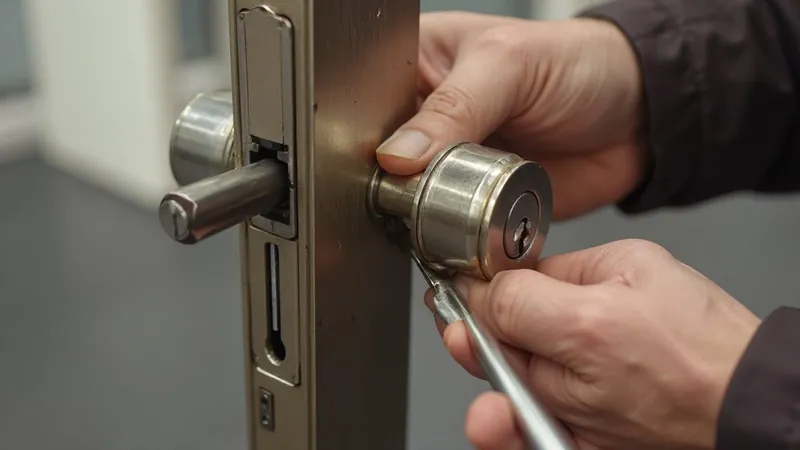
Changing a lock cylinder yourself might seem like a straightforward DIY task, but in Germany's rental market—where most people live under a Mietvertrag (tenancy agreement)—there are important legal and practical considerations you need to know first. Whether you're renting or own your home, understanding what you can and cannot do will save you money, time, and potential conflict with your landlord or insurance.
This guide walks you through when it's safe to attempt a cylinder change, what can go wrong, and when calling a certified local locksmith is genuinely the better choice.
What Exactly Is a Lock Cylinder?
A lock cylinder is the part of your lock mechanism that you insert your key into. It's a rotating drum inside the lock body that, when turned by the correct key, operates the bolt. On most standard doors in Germany, the cylinder can be unscrewed and removed separately from the lock housing—which is why many people think it's a quick fix.
The cylinder sits flush with your door handle or door frame, and changing it doesn't require altering the main lock body or frame. This is why it's the cheapest component to replace and the most tempting to DIY.
Renters in Germany: Check Your Mietvertrag First
If you rent your home, your tenancy agreement and German tenant law (BGB – Bürgerliches Gesetzbuch) control what you can modify. In many cases, you are not allowed to change locks or cylinders without written permission from your Vermieter (landlord). Breaking this rule can lead to disputes, withheld deposits, or even eviction grounds.
- Permission required: Most landlords require written consent before any lock work. Some will pay for it; others may refuse entirely.
- Security concerns: Landlords often want to retain access in emergencies or via the building's Hausmeister (superintendent). Changing the cylinder without their knowledge violates this.
- Original locks: You may be required to restore original cylinders before you move out, at your own cost.
Always contact your Vermieter or Hausmeister before attempting any lock work. A quick email or conversation can prevent serious problems later.
The Technical Reality: Why DIY Cylinder Changes Often Go Wrong
Physically removing and installing a cylinder sounds easy—in theory, it's usually just two or three screws. The problems arise when you don't have the right tools, don't know the correct technique, or are unfamiliar with German standard lock profiles.
- Wrong cylinder size or profile: German doors often use DIN (Deutsche Industrie Norm) cylinders in specific profiles. Buying the wrong one means it won't fit or function.
- Stripping screws: Cylinders are often tight. Over-forcing a screwdriver damages the screw head, and you're stuck.
- Damaging the lock body: If you misalign the cylinder or apply pressure wrong, you can crack the surrounding mechanism, requiring full lock replacement instead.
- Pins and springs: Some cylinders contain loose pins or springs. If you drop them or lose one during removal, the lock becomes unusable.
- Key duplication mismatch: Even if the cylinder installs, if it's not keyed correctly or cut to the right profile, your keys won't work.
German locksmiths see dozens of botched DIY attempts every month. What looked like a 15-minute job becomes a 2-hour repair—and a more expensive one.
When You Legally Can Change a Cylinder
If you own your property outright (Eigentum), you have the right to modify your locks without landlord permission. However, even homeowners should think carefully before DIYing.
- Insurance compliance: Your Hausrat (household contents insurance) and Haftpflicht (liability insurance) policies may have clauses about how locks should be maintained or changed. Some insurers require certified work for valid claims.
- Smart locks and rental agreements: If you've installed a smart lock or electronic system, modifying it yourself can void warranties.
- Shared building locks: If you live in an apartment building with communal entrances, the main door lock is usually communal property—you cannot modify it.
Even as an owner, consulting a certified locksmith is often worth it for peace of mind and a professional guarantee on the work.
The Professional Alternative—and Why It Matters
A certified local locksmith can change your cylinder quickly, correctly, and with documentation. They arrive with the right tools, know German DIN standards, and can advise on whether your specific situation allows a DIY approach. Many can also provide a written order form that itemizes exactly what was done—useful for insurance claims or disputes.
When renting, a locksmith's documented work also protects you: you have proof that the change was done properly and (if you have landlord permission) that a professional handled it. If anything goes wrong later, you're not liable.
If you're facing an urgent lockout, lost keys, or a broken cylinder and you're unsure about your rights or the technical steps, our English-speaking hotline connects you directly with certified locksmiths in your area. They'll assess the situation, explain your options in clear English, and handle it properly—often on the same day.
Frequently asked
Can I change my lock cylinder if I'm renting?
Not without written permission from your Vermieter. German tenancy law generally forbids modifications to locks without landlord consent. Always ask first, ideally in writing via email.
What's the difference between changing a cylinder and changing a whole lock?
A cylinder is just the rotating drum where your key goes. Changing it is quick and cheap. Changing the whole lock (body, frame, hinges) is a major renovation. For renters, you must request permission for either.
Will my insurance cover lock damage if I DIY it wrong?
Often not. Hausrat and Haftpflicht policies may exclude claims caused by improper self-repairs. If a professional did the work, you're protected; if you damaged it yourself, you typically pay.
How much does it cost to have a locksmith change a cylinder?
Costs vary by region and locksmith. The locksmith explains the price on a written order form on site, after assessing your specific lock and situation.
What if my landlord refuses to let me change the lock?
That's common and usually legal—landlords have the right to control who has access. If you have safety concerns, raise them with your landlord or Hausmeister in writing.
Can I change the cylinder on my apartment building's front door?
No. The main entrance lock is communal property and belongs to the building owner or management. Only they or an authorized Hausmeister can modify it.