
Can Your Landlord Keep a Key to Your Flat?
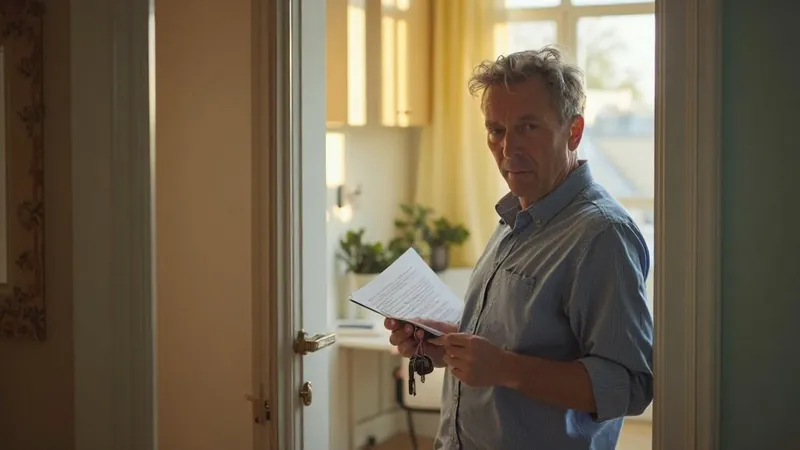
If you're renting a flat in Germany, you may have wondered whether your landlord (Vermieter) has the right to keep a spare key or enter your home whenever they wish. The answer is not a simple yes or no—German tenancy law sets clear boundaries on landlord access, and understanding these rules protects your privacy and peace of mind.
This guide explains what your Mietvertrag (rental agreement) should say, when landlords can enter, and what to do if you suspect unauthorised access or feel your rights are being violated.
What German Tenancy Law Says About Landlord Keys
Under German tenant law (BGB—Bürgerliches Gesetzbuch), you have the right to exclusive use and peaceful enjoyment of your rented flat. This is a fundamental principle. Your landlord does not automatically have the right to hold a spare key or enter at will, even though they own the building.
In practice, many landlords do keep a spare key for emergencies—such as a gas leak, water damage, or fire—but they must not use it to enter without your knowledge or permission except in genuine emergencies. Routine inspections, surprise visits, or entering to show the flat to potential new tenants are not permitted without advance notice and your consent.
Your rental contract should clearly state whether the landlord holds a key, and under what circumstances they may use it. If your contract is silent on this, you can assume the landlord should not have unsupervised access.
When Can Your Landlord Enter Your Flat?
German law permits landlord entry only in specific, legitimate situations and almost always with advance notice:
- Maintenance and repairs: If something needs fixing (heating, plumbing, electrical), your landlord can arrange a visit. They must give you at least 24 hours' notice, and entry must happen at reasonable times—typically weekdays between 08:00 and 17:00.
- Inspections: In many cases, landlords are permitted to carry out regular inspections (Besichtigungen) of the property condition. However, notice is required (usually at least one week), and these visits must be infrequent and genuinely necessary to protect their investment.
- Showing to prospective tenants: If you give notice to leave, or if the landlord wants to sell the building, they may need to show the flat to potential buyers or new tenants. Again, advance notice (often one week or more) is required, and you can set limits on the frequency of showings.
- Genuine emergencies: In the case of fire, flooding, gas smell, or other immediate danger, a landlord (or their Hausmeister—building manager—or the fire service) may enter without notice to prevent serious harm or damage.
Any other entry without your permission is illegal and a breach of your right to privacy and quiet enjoyment.
Your Right to Refuse Unreasonable Access
If your landlord wants to enter for maintenance or inspection, you may refuse if they have not given proper notice, or if the visit is clearly unreasonable. For example, if they give you only a few hours' notice for a routine inspection, or if they try to show the flat multiple times a week when you haven't yet given notice to leave, you can say no.
In many cases, if a repair is truly necessary for your comfort and safety—such as a broken heating system in winter (Gas-Therme malfunction)—you should allow access once reasonable notice is given. Refusing access to emergency repairs can weaken your legal position if the landlord later claims you caused the damage or failed to mitigate a problem.
Keep records of all access requests and visits. If your landlord or their representative enters your flat without permission, note the date, time, and any signs of entry (moved objects, opened cupboards). If this happens repeatedly, you may have grounds to reduce your rent (Mietminderung) or terminate the contract early, depending on the severity.
What If Your Landlord Is Keeping a Key Without Permission?
If you believe your landlord is using a spare key to enter when you are away, or if you suspect unauthorised access, take these steps:
- Gather evidence: Note dates and times when you suspect entry has occurred. Look for small changes—items slightly moved, a scent of cigarette smoke if you don't smoke, or unexplained dust patterns.
- Ask in writing: Send a registered letter or email (keep a copy) asking your landlord to confirm they hold a spare key and to state the circumstances under which they will use it. Request that they respect your privacy and provide notice before any entry.
- Demand the key be surrendered: In many cases, you can legally demand that your landlord give the spare key to you, a trusted neighbour, or a neutral third party, to be held only for genuine emergencies. This is often the simplest solution.
- Seek mediation: If the dispute continues, your local Mietverein (tenant association) or a Rechtsanwalt (lawyer) specialising in tenant law can advise you on next steps.
Unauthorised repeated entry can be grounds for a rent reduction or even contract termination, but you will need clear evidence and may benefit from legal guidance.
Protect Yourself: Practical Steps
Even if your relationship with your landlord is good, it's wise to protect your privacy and establish clear boundaries:
- Check your Mietvertrag: Review your rental contract carefully. Does it mention landlord access? Does it say the landlord holds a key? If unclear, ask your landlord to clarify in writing, or contact your local tenant association for advice.
- Install a door viewer or camera: A simple peephole or video doorbell (permitted in your own home) lets you see who is at your door without opening it.
- Use a deadbolt or chain lock: If you feel unsafe, add an internal lock or security chain so that even if someone has a spare key, they cannot open the door fully without your permission from inside.
- Keep your insurance up to date: Your Hausratversicherung (household contents insurance) and Haftpflichtversicherung (liability insurance) should be current. If your landlord or anyone else damages your property during unauthorised entry, you may have a claim.
- Build a paper trail: Save all communications with your landlord about access, maintenance requests, and repairs. If a dispute arises, written records are invaluable.
If you ever feel threatened or suspect a break-in, contact the police (Polizei) immediately and report it separately to your landlord in writing.
When to Call for Urgent Help
Understanding your rights is important, but if you face a sudden lock-out, suspect a break-in, or need emergency access to your flat while protecting your security, a certified local locksmith can help quickly and professionally. They can advise on locks, access problems, and security without judgment.
If you are an English speaker new to Germany and unsure how to handle a dispute over landlord access, or if you need immediate practical help—such as changing a lock or assessing your flat's security—our English-speaking hotline connects you with a certified local locksmith who can explain the situation clearly and offer practical solutions. They understand the local context and can help you take the right step, whether that's a straightforward repair or guidance on when to call for further support.
Frequently asked
Can my landlord enter my flat to show it to prospective buyers without my permission?
No. Your landlord must give you advance notice (usually at least one week) and may only arrange showings at reasonable times and with reasonable frequency. If you have not given notice to leave, you can refuse visits that feel excessive. If you have given notice, showings become more common but still require notice.
What should I do if my landlord enters while I am away and I did not give permission?
Note the date and time, and any evidence of entry. Write to your landlord asking them to explain and confirm they will give notice in future. If this happens repeatedly, document it and seek advice from your local Mietverein or a tenant lawyer. You may be able to reduce rent or terminate the contract.
Can I change the lock or add a deadbolt to prevent my landlord from entering?
You can add internal security measures like a chain lock or deadbolt in your own home without permission. However, you should not change or remove the main lock without your landlord's consent, as this may violate your contract. Always ask your landlord first, or inform them in writing of any changes.
My landlord claims they need to keep a key for 'safety reasons.' Do I have to allow this?
Safety concerns do not automatically give your landlord a right to hold a spare key. You can request that the key be held by a trusted neighbour, a neutral third party, or kept in a secure box accessible only in genuine emergencies. Most disputes can be resolved with a clear written agreement.
If my landlord has a key and uses it to enter during an emergency (fire, leak, gas smell), can I object?
No. Genuine emergencies that pose a risk to safety or property are legitimate exceptions to the notice requirement. However, the emergency must be real and immediate. Routine repairs or inspections must never be conducted without notice, even if the landlord claims it is urgent.
What if my landlord keeps a key and enters to carry out repairs without giving me notice first?
This is a breach of your privacy rights and tenant law. Contact your landlord in writing and demand notice of future repair visits (at least 24 hours). If they continue to enter without notice, you may reduce your rent or seek legal advice. Document every incident with dates and times.