
Burglary, Insurance and the Locks You Need
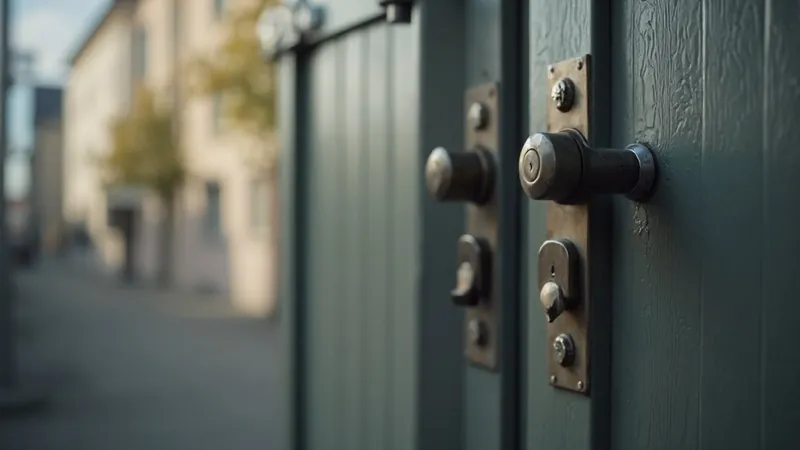
A break-in is distressing anywhere, but if you're new to Germany, the practical and financial aftermath can feel overwhelming. Understanding how burglary, insurance, and locks work here helps you protect what matters and know what to expect if the worst happens.
In Germany, your Hausratversicherung (household contents insurance) and your landlord's responsibility for the building structure are separate. Your locks and security choices matter not just for prevention, but because insurers often require certain standards. This guide walks you through what you need to know.
How German Insurance Covers Burglary
Household contents insurance (Hausratversicherung) is not legally required in Germany, but it is strongly recommended, especially if you're renting. It covers your personal possessions—furniture, electronics, clothes—if they are stolen in a burglary or damaged during one.
In many cases, your insurer will only pay out if the burglar gained entry by overcoming a lock or forcing a door or window. If you left a door unlocked or a window open, the claim can be refused or reduced. This is why lock quality and your own security habits are directly linked to whether you'll be covered.
Check your policy wording carefully. Some policies exclude certain items (jewellery, cash above a limit) or require you to have locks of a minimum standard. In Germany, insurers often reference the DIN standard for locks and doors—your policy may say something like 'DIN 18251' for the lock or 'resistance class RC2' or higher for the door frame. If you're unsure, ask your insurer or broker before a break-in happens.
- Liability insurance (Haftpflichtversicherung) covers damage you cause to others' property; it does not cover your own losses.
- Building insurance (Gebäudeversicherung) is the landlord's responsibility and covers the structure, but not your contents.
- German insurers often require proof of forced entry—meaning the lock was damaged or the door frame broken. A simple smashed window may trigger questions about how the burglar reached the lock.
Lock Standards and What Insurers Expect
German insurers take lock specifications seriously. Most will accept standard European pin-tumbler locks (like a Yale or Abus cylinder) in a properly fitted door frame. However, some policies specify a minimum standard, and high-value items or ground-floor flats may require upgraded locks.
The common benchmarks are:
- DIN 18251 Class 3 or higher: a certified cylinder that resists picking and bumping better than basic locks.
- Resistance Class RC2 (or higher): a measure of how well the entire door and frame resist forced entry—the frame, hinges, and lock must all meet the standard.
- Keyed cylinders with security pins: these are less vulnerable to common techniques than budget locks.
If your door is old or doesn't have a proper frame, a certified locksmith can assess it and advise which upgrades will satisfy your insurer and genuinely improve security. Upgrading a lock is usually cheaper than losing a claim or replacing stolen items.
Ground-floor flats and those with accessible windows face higher risk. If you live in such a property, your insurer may require window locks or additional security measures. Installing these before a break-in protects both your home and your ability to claim.
Practical Steps After a Break-In
If you discover a burglary, the first priority is your safety. Do not assume the burglar has left. If you feel unsafe, leave the flat and call the police (Polizei) from outside or from a neighbour's home.
Once the scene is safe, call the police non-emergency line (110 in most cities) and ask for a police report (Anzeige). Provide the date, time of discovery, and what you know about entry points. The police report is essential for your insurance claim.
- Do not touch or move items until the police have viewed the scene, in case they need to examine the entry point or collect evidence.
- Take photos of the damage to locks, doors, windows, and any stolen items, for your insurance company.
- List everything stolen or damaged with approximate values and dates of purchase if you have them.
- Contact your insurer promptly (within days, not weeks) and submit the police report, photos, and inventory.
- Get your locks or doors repaired immediately to prevent further entry—a certified locksmith can often attend the same day for emergency repairs.
Your insurer will ask detailed questions about how entry was gained. If the lock was forced, damaged, or bypassed, document this clearly. If you were careless (left a window open, for instance), be honest but remember that forced entry through a locked door is generally covered.
Preventing Break-Ins: Locks, Habits, and Landlord Responsibility
Prevention is cheaper and less stressful than dealing with a claim. In Germany, your landlord (Vermieter) is responsible for providing and maintaining locks on external doors and windows, but you are responsible for using them correctly and reporting damage.
A few practical measures go a long way:
- Always lock your door and windows, even if you're home or stepping out for five minutes. Most burglaries are crimes of opportunity.
- Do not leave keys in locks or under doormats, planters, or loose bricks—these are the first places burglars check.
- If you lose a key, inform your landlord immediately and ask about re-keying the lock. A previous tenant or finder could have a copy.
- Ask your landlord to upgrade the lock if it is old, broken, or does not meet your insurer's standard. In many cases, this is the landlord's legal obligation (it ensures the flat is in a habitable, secure condition).
- Use a secondary lock or door brace if you feel the primary lock is weak—these are inexpensive and renter-friendly.
- Install a peephole or video intercom if the flat has a main entrance; this lets you see who is outside before opening the door.
Talk to your insurer about what they require. Some offer small discounts if you install certified locks or an alarm system. The small cost of upgrading now can be far less than the cost of a claim or the stress of theft.
What to Do If Your Lock Is Damaged or You're Locked Out
If your lock is broken, jammed, or you've lost your key, do not try to force it open or drill it out yourself—you risk damaging the door frame, which your landlord will charge you for, and you may trigger a dispute about who pays.
A certified local locksmith can open a damaged lock, assess the door and frame, and advise whether a simple repair or a full replacement is needed. In an emergency—if you're locked out and need to get inside—call a locksmith immediately. The faster you restore security, the lower your risk of burglary in that window.
If your landlord supplied the lock, they often pay for repairs. If you installed an upgrade lock yourself, you may pay for its repair. Always ask the locksmith for a written quote (Kostenvoranschlag) before work begins, so there are no surprises.
When a locksmith attends, they will explain the situation, outline options, and provide a written order form showing what work is needed and why. This protects you and gives your landlord or insurer a clear record if questions arise later.
If you need urgent help with a damaged lock, lost key, or break-in, do not hesitate to call our English-speaking hotline. A certified local locksmith can often attend the same day, restore your security, and advise on upgrades that satisfy your insurer. We understand that locksmith emergencies are stressful when you're new to Germany—we're here to make it straightforward.
Frequently asked
Will my insurance pay out if I left a window unlocked?
In many cases, no. German insurers expect you to have locked all entry points. However, if a burglar forced open the locked door or window, you are usually covered. Check your exact policy wording, as terms vary.
Who is responsible for replacing a broken lock—me or my landlord?
If the lock was supplied by your landlord and it broke through normal use or age, your landlord must replace it. If you installed an upgrade lock yourself, you typically pay for repairs. Always clarify this before you pay.
What lock standard should I ask my insurer about?
Ask if your policy requires DIN 18251 Class 3 (or higher) for the cylinder, and resistance class RC2 for the door frame. If you're on the ground floor or have high-value items, ask about additional requirements.
Is household contents insurance (Hausratversicherung) mandatory in Germany?
No, it is not legally required, but it is highly recommended. Renters especially should have it, as your landlord's building insurance does not cover your belongings.
What should I do immediately after discovering a burglary?
First, ensure your safety and leave if needed. Call the police (110) and request a police report (Anzeige). Then contact your insurer, take photos of damage, and arrange for a locksmith to repair or replace the lock and door.
Can I install my own upgraded lock, or must my landlord do it?
You can often install an upgrade lock yourself in a rental flat, but check your tenancy agreement (Mietvertrag) first. Always inform your landlord, and keep receipts in case there are questions later about whether it meets insurance standards.