
How to Avoid Locksmith Scams in Germany
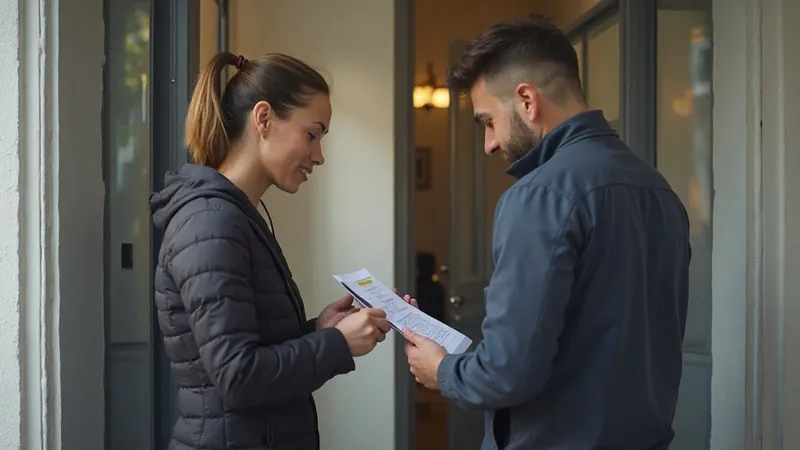
Locksmith scams are a real concern in Germany, especially for international residents who may not know what fair prices look like or how to spot a dishonest operator. A genuine emergency—a lost key, a broken lock, a tenant lockout—can make you vulnerable to inflated bills, unnecessary work, or pressure to pay cash on the spot with no paperwork.
The good news: you can protect yourself by understanding how legitimate locksmiths work in Germany, knowing what questions to ask, and choosing a certified professional from the start. This guide walks you through the red flags, the right questions, and how to avoid costly mistakes.
Red Flags That Signal an Unreliable Locksmith
Before you call anyone, learn to spot the warning signs of a scam or rip-off operator:
- No written quote or order form. A legitimate locksmith will explain the breakdown of costs (callout fee, lock type, labour time, materials) and hand you a written order form on site before they start work. If someone demands cash upfront or refuses to write down the charges, that is a major red flag.
- Pressure to pay in cash only. Reputable locksmiths in Germany accept bank transfer, card, or can invoice you. Cash-only insistence makes it harder to dispute charges later and leaves no paper trail.
- Vague pricing on the phone. If a locksmith quotes you a price over the phone without visiting or assessing the lock, be cautious. Door type, lock complexity, and building access all affect the actual cost. A professional will want to see the job first.
- Overly cheap initial quote, then massive bill. Some operators quote a low callout fee to get in the door, then claim they found 'extra problems' and charge you several times more. Always get the full picture in writing before work begins.
- No proof of certification or identification. German locksmiths are trained and often certified (Meister or Fachkraft). Ask to see ID and ask for their business details. A legitimate operator will carry both.
- Refusing to explain what they're doing. A professional will tell you what lock you have, why it needs attention, and what the solution is. Silence or evasion is suspicious.
How to Choose a Trustworthy Locksmith
When you need to call a locksmith, take a moment to choose wisely. A few simple checks will save you stress and money:
- Use a referral service. A reputable locksmith hotline (especially one that operates in English) has already vetted the professionals on their network. They check credentials, customer feedback, and fair pricing practices. This is your first line of defence against scams.
- Ask for their business name and credentials. Request their Handwerkskammer (craftsperson's chamber) registration or Meister certification. You can often verify this online. A real locksmith is proud to show their qualifications.
- Request an itemised quote in writing. Before any work starts, the locksmith should provide a written breakdown: callout fee, lock assessment, parts, labour, VAT. Compare this with what you were quoted on the phone, and ask about any differences.
- Check what's included in the Mietvertrag. If you rent, your lease may say the landlord (Vermieter) or building manager (Hausmeister) covers emergency lock repairs. Before paying privately, contact them—it could save you money and prevent disputes.
- Ask if your Hausratversicherung (household contents insurance) or Haftpflichtversicherung (liability insurance) covers locksmith costs. Many policies do, especially for break-ins or vandalism. The locksmith can often invoice the insurer directly.
What to Ask When You Call
The moment you ring a locksmith, ask these questions to filter out unreliable operators:
- "Can you visit and assess before giving a final price?" A yes means they work professionally. A no is a warning.
- "Will you provide a written order form on site before you start?" This protects you. Legitimate locksmiths always do.
- "Can I pay by bank transfer or card?" If they insist on cash only, think twice.
- "Are you certified?" Ask for their name, business, and proof. You should feel confident they are qualified.
- "What's your callout fee?" This is separate from the work itself. A typical callout might be €40–80 depending on the time and location, but it varies. If they won't tell you, ask why.
- "Will you explain the invoice line by line?" If they cannot or will not, that is a sign of shadiness.
A professional locksmith welcomes these questions and answers them clearly. Evasion or irritation suggests you should call someone else.
After the Locksmith Leaves: Protect Your Rights
Once the work is done, a few final checks will keep you safe:
- Keep the invoice and receipt. File these with your documents. If you need to claim on insurance or dispute a charge, you will need proof of what was done and when.
- Test the new lock or repaired mechanism. Make sure it works smoothly before the locksmith leaves. If there is a problem, ask them to fix it on the spot—this is their responsibility.
- If you are renting, inform your Vermieter of emergency repairs. In many cases, the landlord or Hausmeister should reimburse emergency locksmith costs or arrange the repair themselves. Document everything in writing (email is fine).
- Dispute a charge immediately if something seems wrong. Contact the locksmith in writing within a few days. If they do not respond fairly, escalate to your local consumer protection office (Verbraucherzentrale) or, if relevant, your building management.
- Leave honest feedback if you had a good experience. This helps other expats and international residents find trustworthy locksmiths and protects the reputation of genuine professionals.
When to Call an English-Speaking Hotline for Peace of Mind
If you are stressed about a lockout, unsure whether a price is fair, or worried you have already been overcharged, contact an English-speaking locksmith referral hotline. They can connect you with a certified local locksmith who speaks English or can explain things clearly, answer your questions without pressure, and often help you navigate insurance claims or disputes with landlords afterwards.
A referral service is especially valuable if you are new to Germany, do not speak fluent German, or simply want the reassurance of dealing with a professional you can trust. In an emergency—especially outside business hours—having a single number to call in English takes the panic out of the situation. The hotline ensures the locksmith is vetted, works fairly, and will provide a proper invoice. That peace of mind is worth the call.
Frequently asked
Is there a 'normal' price for a locksmith callout in Germany?
Prices vary by region, time of day, lock type, and complexity. There is no fixed national rate. A legitimate locksmith will explain their charges in writing on site. If a quote seems extreme, ask for a breakdown or get a second opinion from another certified locksmith.
Can I recover money if I have already paid a scamming locksmith?
If you paid by bank transfer or card, you can dispute the charge with your bank within a set timeframe. If you paid cash, recovery is harder. Contact your local Verbraucherzentrale (consumer protection office) for advice on your next steps.
My landlord says I must pay for an emergency lockout myself. Is that always true?
Not always. In many cases, the landlord's responsibility to maintain the property (Mietvertrag) includes emergency locks. Check your lease and contact your Hausmeister or Vermieter before paying. If they refuse, the Verbraucherzentrale can advise you.
What should I do if a locksmith demands payment before finishing the job?
It is unusual for a locksmith to demand full payment mid-job. Ask them to finish first, then pay against the written invoice. If they refuse and the situation feels unsafe, do not hand over money; contact the police or your hotline for guidance.
How do I know if a locksmith is actually certified in Germany?
Ask for their name and business, then search the Handwerkskammer (craftsperson's chamber) website for your region. They will confirm whether the locksmith is registered and in good standing. A certified professional will willingly provide this information.
Can I claim locksmith costs on my Hausratversicherung or Haftpflicht?
Many policies cover locksmith costs for break-ins, locks damaged by burglary, or accidental damage. Check your policy details or contact your insurer. Ask the locksmith if they can invoice the insurance company directly to avoid upfront payment.