
Anti-Snap Cylinders: Are Your Locks at Risk?
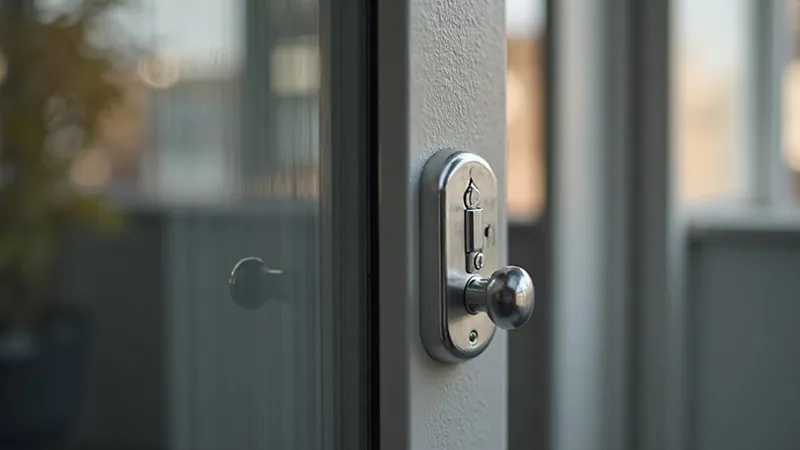
If you live in a rented flat or own a home in Germany, your front door lock is one of your first lines of defence. But do you know if it's vulnerable to a common attack method called "snapping"? Many standard European cylinders can be broken by force in seconds, leaving your door open to burglars. This guide explains the risk, how to spot it, and what you can do to protect yourself.
Whether you're in Berlin, Munich, Cologne or any German city, understanding cylinder security is essential—especially if you're new to the country and unfamiliar with local building standards. We'll help you know what to look for and how to get professional advice quickly.
What Is Cylinder Snapping and Why Should You Care?
Cylinder snapping is a forced-entry technique where a burglar applies sudden, heavy pressure to the lock cylinder protruding from your door. If the cylinder is weak, it breaks at a weak point—often the shear line—and the attacker can then manipulate the lock from inside. The whole attack takes only seconds and leaves little visible damage from the street, which is why burglars favour it.
Standard pin-tumbler cylinders fitted in many German rental properties and older homes are particularly at risk. The risk is higher on ground-floor flats, side entrances, and properties where the cylinder extends far from the door face.
In Germany, where break-ins are a real concern in busy urban areas, landlords and property owners are increasingly aware of this vulnerability. However, many still fit budget cylinders that don't meet modern anti-snap standards.
How to Spot a Vulnerable Cylinder
You don't need to be a locksmith to check your own door. Here's what to look for:
- How far does it stick out? If your cylinder (the part you insert your key into) protrudes more than 3 mm beyond the lock body on both sides of the door, it's more vulnerable. Many modern anti-snap cylinders are designed to break away safely if attacked, but only if they don't project too far.
- Is there a security collar or anti-snap ring? Look around the base of the cylinder for a metal ring or collar. A proper anti-snap fitting should have one fitted close to the door face.
- What's your lock's age? If your cylinder looks more than 10 years old, and especially if it's a standard brass or nickel-plated model without visible reinforcement, it may not meet current anti-snap standards.
- Does the door have a deadbolt or just a spring latch? A secure entrance should have a separate deadbolt (often called a Riegel or Sperrbügel in German buildings), not just a push-to-close latch.
If you're renting, your tenancy contract (Mietvertrag) may specify who is responsible for maintaining and upgrading door security. In many cases, the landlord (Vermieter) must ensure the property meets basic safety standards.
Anti-Snap Cylinder Standards and German Regulations
Germany doesn't have a single national anti-snap standard that all landlords must follow by law, but the DIN 18252 standard and European EN 1303 guidelines give locksmiths a framework for what is considered secure. Many insurers now require properties to have cylinders that meet or exceed these standards, and some will reduce payouts if a break-in happens through a snapped lock.
When you take out Hausrat (household contents insurance) or Haftpflicht (liability insurance) in Germany, it's worth checking the small print. Many policies state that the property must have locks meeting minimum security standards. If your lock is known to be at risk and you haven't upgraded it after being informed, an insurer might dispute a claim.
A certified local locksmith can check your specific cylinder against current standards and advise whether it meets requirements under German building and insurance practice. They can also fit anti-snap cylinders that have:
- Sacrificial sections designed to break away safely under attack
- Reinforced shear lines that resist snapping
- Proper fitting collars and guards to prevent the attack from starting
- Key control systems that prevent copying by non-authorised keymakers
What You Can Do Right Now
Start with a simple visual inspection of your front door lock using the checklist above. If you're renting, contact your Vermieter or Hausmeister (building manager) in writing and ask them to check your door security. In Germany, it's common for tenants to request reasonable safety improvements, and most landlords will respond positively to a written request (especially if you mention insurance or liability).
If you own your home, or if your landlord isn't responsive, consider upgrading to an anti-snap cylinder. This is a straightforward job for a locksmith and doesn't usually require major structural work or changes to your door. The locksmith will remove your old cylinder and fit a new one that meets current standards—the process takes minutes, not hours.
You should also check whether your door itself is strong enough. A solid wooden door or modern composite door is better than a thin panel door. The hinges should be sturdy, and if you're on a ground floor with accessible side windows or a garden gate, your security strategy should include those entry points too.
If you've ever experienced a break-in, or if you've noticed signs of attempted entry (scratches around the lock, dents on the cylinder), don't delay. These are strong indicators that your property is being targeted. Contact a certified local locksmith immediately for a security assessment.
Getting Professional Help in Your Language
If you're new to Germany or uncomfortable discussing security details in German, don't let language be a barrier. Many locksmiths in major German cities have English-speaking staff or can arrange an interpreter call. Our English-speaking hotline can connect you with a certified local locksmith who understands both anti-snap security standards and the specific regulations for your area. They'll visit your home, inspect your cylinders and doors, explain the findings clearly in English, and provide a transparent written order form showing exactly what work needs to be done and why.
Whether your cylinder is at risk, whether your insurer requires an upgrade, or whether you simply want peace of mind, a professional assessment is the fastest and most reliable way forward. Don't wait until after a break-in attempt—call for urgent help today if you have any concerns about your door security.
Frequently asked
How do I know if my landlord has to upgrade my lock cylinder in Germany?
Check your Mietvertrag (tenancy agreement) and contact your Vermieter in writing. In many cases, landlords must ensure the property meets basic safety standards, but requirements vary. Your home insurance policy may also specify minimum security standards—check it carefully.
Can a burglar really break a standard cylinder in seconds?
Yes. A standard pin-tumbler cylinder without anti-snap protection can be snapped in 10–30 seconds with a simple attack. This is why many German insurers now require modern anti-snap cylinders on properties they cover.
Is it expensive to fit an anti-snap cylinder?
A locksmith will explain all costs on a written order form on site, after inspecting your door and cylinder. The job itself is straightforward and doesn't require structural changes to your door.
What's the difference between a cylinder and the whole lock?
The cylinder is the part you turn your key into. The lock is the entire mechanism. A locksmith can usually replace just the cylinder if your lock body is in good condition, which is faster and cheaper than replacing the whole lock.
Do I need to call a locksmith, or can I do this myself?
If you've never replaced a cylinder, it's better to call a professional. They'll ensure it's fitted correctly, meets anti-snap standards, and works properly with your door. A botched job can be less secure than the original.
What should I do if I notice scratch marks around my lock?
This is a sign someone may have tried to break in. Have a locksmith inspect it urgently. Consider upgrading to an anti-snap cylinder and fitting additional security measures like a door reinforcement plate or chain.