
After a Break-in: The First Steps
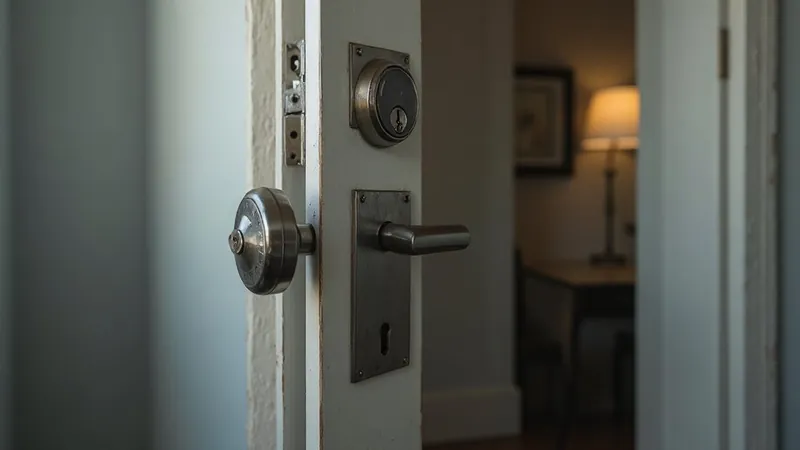
A break-in is unsettling, especially when you're living abroad and unfamiliar with German procedures. The first hours are crucial: you need to secure your home, report the crime correctly, and document everything for your insurance claim. This guide walks you through each step so you know exactly what to do.
Whether it's a forced door, broken window, or missing items, staying calm and following a clear process will protect your safety, preserve evidence, and ensure your Hausratversicherung (contents insurance) covers your losses.
Secure your home immediately
Your first priority is safety. If you arrive home and suspect a break-in is still in progress, do not enter. Leave, call the police (110), and wait outside in a safe place.
If you're certain the intruder has left, quickly check:
- That all rooms are empty—start with areas where someone could hide (wardrobes, bathrooms, under beds).
- Whether the front door, windows, or other entry points are damaged or open.
- If any gas (from your heating system or cooker) is escaping—if you smell gas, leave immediately, call 112, and do not use electrical switches.
Once you've confirmed the home is empty and safe, your next step is to prevent further entry. If a door or window is broken or won't lock, a certified local locksmith can secure it temporarily or repair it the same day. Our English-speaking hotline can connect you with one quickly, even in the evening or at weekends.
Call the police and file a report
Contact the Polizei immediately by calling 110 (non-emergency) or 112 if you feel unsafe. When you call, explain that you've experienced a Einbruch (break-in), give your address, and describe what's been taken or damaged. Many German police services now have English speakers on duty, especially in larger cities.
The police will send officers to your flat to file an official Anzeige (complaint). This is essential because:
- It creates an official record with a case number (Aktenzeichen)—you'll need this for your insurance claim.
- It helps police investigate and identify patterns in your neighbourhood.
- It may qualify you for a crime victim's helpline or victim compensation in some cases.
Be prepared to describe what's missing, when you last saw the items, and approximately how much they're worth. Take photos of any damage or disturbed items before the police arrive, if it's safe to do so. Keep the police report number safe—you'll refer to it when contacting your insurance.
Document damage and missing items
While the scene is still fresh, photograph and list everything that's been damaged or stolen. Open your camera or phone and take clear shots of forced locks, broken windows, overturned furniture, or any sign of disturbance. This visual evidence supports both police investigation and insurance claims.
Next, write down all missing items with as much detail as possible:
- Brand, model, and serial number (if you have it).
- Approximate purchase date and original price.
- Condition at the time of theft (like whether your laptop had scratches or a missing key).
Check your purchase receipts, warranty documents, or bank statements to confirm prices and dates. If you registered items with the police database (which some people do for expensive electronics), mention that too. Store all photos, lists, and receipts together—you'll send them to your insurance.
Notify your landlord and insurance
In many cases, you're required to inform your Vermieter (landlord) of a break-in, particularly if the building's main lock or communal areas were damaged. Check your Mietvertrag (tenancy agreement) for specific rules. Your landlord may contact their own insurer (Gebäudeversicherung, building insurance) if the structure of the building was damaged—for instance, if a communal door was forced. You'll typically handle your personal items and contents under your Hausratversicherung.
Contact your insurance provider as soon as possible. Most insurers have English-speaking claims teams or can provide an interpreter. You'll need:
- Your policy number and the date of the break-in.
- The police report number (Aktenzeichen).
- Photographs of damage and the scene.
- Your list of stolen or damaged items with values.
- Receipts or proof of purchase where available.
Insurance often covers not just the stolen goods but also emergency repairs—such as a new lock, boarded-up window, or door frame repair. A certified locksmith's invoice will be included in your claim.
Arrange urgent repairs and follow-up security
If your front door or window locks are broken, you need them fixed or secured today. A forced lock cannot be re-keyed; it must be replaced. A certified locksmith will assess the damage, remove the broken mechanism, and install a new one to the German DIN standard (the legal requirement for rental properties). They'll provide a written invoice showing labour and parts, which your insurance will reimburse.
Beyond immediate repairs, consider longer-term security improvements, especially if you live in a ground-floor flat or a building with easy exterior access. Options include:
- Upgraded locks (like a three-point or five-point lock) if your landlord permits.
- A window bar or grille for vulnerable windows.
- Motion-sensor lighting outside your door or balcony.
- A reinforced door frame or door stop.
Many of these need your landlord's written permission (Zustimmung) before installation. Discuss with your Vermieter which upgrades are acceptable.
If your break-in happened in the evening or at night, or if you need urgent locksmith help to secure your home right now, our English-speaking hotline is available to connect you with a local certified locksmith who can attend the same day. They'll explain costs clearly, provide a written order on site, and help you start your recovery process immediately.
Frequently asked
What is the police non-emergency number in Germany?
Call 110 for non-urgent crime reports (like a break-in you've discovered while you were away). Use 112 only if you are in immediate danger or need medical help. Both numbers work nationwide.
Will my Hausratversicherung cover everything that was stolen?
In many cases yes, but it depends on your policy terms and your excess (Selbstbeteiligung). Some policies exclude certain items or have limits on valuables. Check your contract or call your insurer to confirm what's covered; always provide proof of purchase where possible.
Can my landlord be held responsible for the break-in?
Rarely. Your landlord is responsible for maintaining the building structure and common locks, but not for criminal acts. However, if the landlord knew the building's security was defective and did nothing, they might share some liability—consult a local tenant advisor (Mieterbund) if you think this applies.
How long does a locksmith take to repair a forced door lock?
Usually 30 minutes to an hour, depending on the lock type and damage. A certified locksmith will remove the broken lock, inspect the door frame for damage, and install a new lock to German DIN standards. Emergency call-outs may have a higher fee.
Do I need to change my locks if I rent my flat?
You cannot change locks without your landlord's written consent, even after a break-in. Inform your landlord immediately and ask for permission to upgrade the lock. Most landlords allow this if a break-in has occurred, and the cost is often shared or covered by insurance.
What if I've lost my keys—is that the same as a break-in?
No, lost keys are not a break-in. However, you should still inform your landlord and arrange for a locksmith to rekey or change the lock so the old key no longer works. This is a safety precaution and is your responsibility as the tenant.